The Gambia is working to establish a national legal framework to regulate access to its genetic resources and ensure that benefits derived from their use are shared fairly with the country and its communities.
The initiative is being implemented through a four-year Access and Benefit-Sharing (ABS) project running from 2025 to 2029, led by the Department of Parks and Wildlife Management in collaboration with the National Environment Agency (NEA), with funding from the Global Environment Facility (GEF).
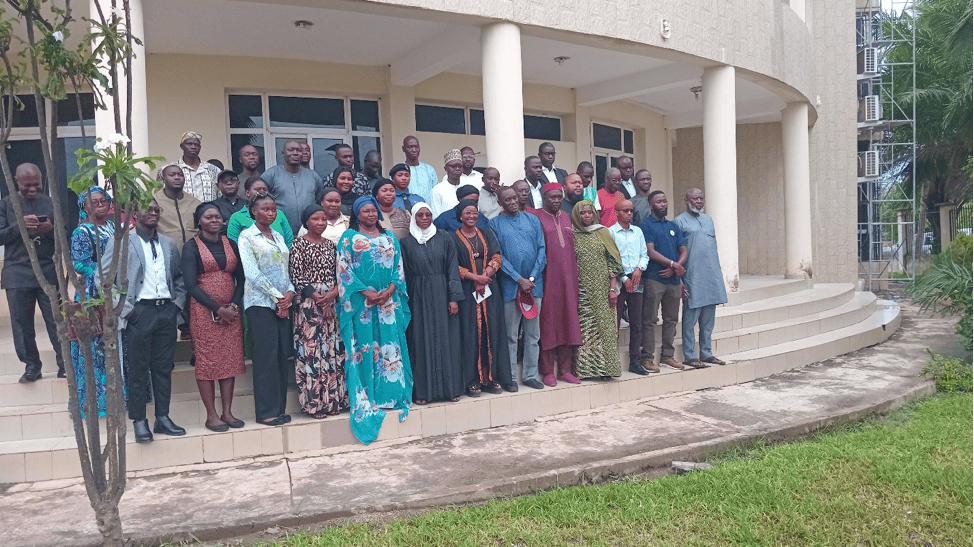
As part of the process, stakeholders met on Thursday at NaNA Conference in Bakau for a two-day validation workshop to review four key documents: the ABS Baseline Assessment, National ABS Policy, ABS Bill and ABS Regulations and Schedules.
The workshop brought together government officials, community representatives, researchers and technical experts to examine the draft documents and make recommendations ahead of their finalisation.
Abubacar Kujabie, project coordinator at the project’s management unit, said the proposed framework was intended to establish clear legal and institutional arrangements for accessing genetic resources and ensuring fair benefit-sharing.
He said the baseline assessment had identified gaps in access procedures, prior informed consent, institutional coordination, monitoring, community participation and the protection of traditional knowledge. Other concerns included gender inclusion and the need to build institutional capacity.
Kujabie said the workshop provided an opportunity for stakeholders to determine whether the proposed framework was practical, inclusive and responsive to the needs of communities and relevant institutions.
He expressed hope that the discussions would produce consolidated recommendations to guide the finalisation of the documents and support effective implementation of the national framework.
Deputy Permanent Secretary at the Ministry of Environment, Bintou Gassama, said The Gambia’s biological resources and traditional knowledge were valuable national assets that required adequate protection.
She said the proposed framework would address gaps in existing laws, policies and institutional arrangements while strengthening community participation, biodiversity conservation, research and innovation.
Gassama urged participants to provide constructive inputs to ensure the documents reflect the country’s needs and protect the interests of communities whose knowledge and resources could be used for research and other purposes.
She reaffirmed the ministry’s commitment to biodiversity conservation and thanked the project partners and the Global Environment Facility for supporting the process.
Lead consultant Dr Adama Ceesay stressed the importance of translating scientific knowledge into clear legal provisions that define institutional responsibilities and provide mechanisms for addressing implementation failures.
He said effective implementation of international environmental agreements at the national level was essential to achieving meaningful results in biodiversity conservation.
Dr Ceesay also acknowledged the contributions of government institutions and other stakeholders, including the Traditional Healers Association, to the development of the ABS framework.
Salif Puye described the validation process as an important step towards protecting The Gambia’s genetic resources and ensuring that benefits derived from them are shared in accordance with the law.
He called on stakeholders to take ownership of the initiative, warning that without adequate safeguards, foreign interests could exploit the country’s natural resources and take the resulting benefits elsewhere, leaving Gambians with little to gain.
Puye urged participants to ensure that the proposed laws serve the interests of the country and help Gambians benefit economically from their natural resources.
The Nagoya Protocol provides an international framework for access to genetic resources and the fair and equitable sharing of benefits arising from their utilisation. Such benefits may include financial returns, research opportunities, technology transfer and other forms of cooperation.