Border communities in The Gambia, Senegal and Guinea-Bissau have vowed to ensure no family will be allowed to cross a border to cut a girl, abuse a woman, or escape justice.
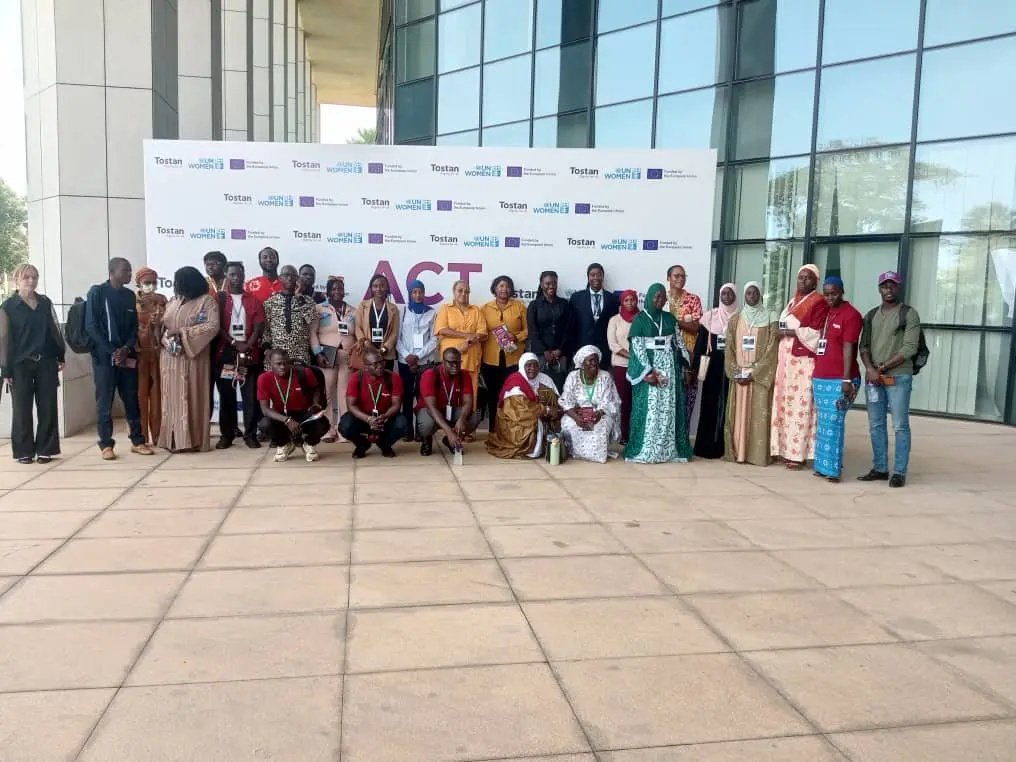
The declaration came on the sidelines of the NGO Summit in The Gambia, where policymakers, senior officials and Tostan programme participants vowed to sustain gains of Tostan’s Community Empowerment Programme long after it phases out.
The commitment comes against a brutal background. Across the three countries, gender-based violence remains rampant. In The Gambia, over 70% of women have undergone FGM/C and activists report families still smuggle girls across borders to evade the law. In Senegal, despite a 1999 ban, FGM persists at over 25% nationally and over 90% in southern border regions like Sedhiou and Kolda. In Guinea-Bissau, prevalence exceeds 45%, with cross-border movement undermining enforcement. Domestic violence, child marriage and sexual assault continue to devastate lives. Communities say enough is enough.
“The project has empowered us tremendously. We now fully understand the harmful consequences of GBV and cutting. We work closely with Community Empowerment Committees and local leaders across borders to ensure these practices are not tolerated,” said Mariatou Baldé from Senegal.
“We have developed a strong partnership. No one will be allowed to cross into another country to carry out FGM/C. We are committed to protecting our children,” she declared.
Fatou Jola Jabbie from The Gambia said Tostan’s model transformed women economically through the Women Enterprise Fund, now run on a 6-month revolving scheme, giving women power to reject harmful norms.
Imam Fula Barry of CRR South said: “Islam teaches cleanliness. I told my people to listen, acquire knowledge. Most embraced it. Other communities now demand expansion.”
Women’s Bureau Deputy Director Neneh Touray said the Ministry of Gender’s long-term vision is a Women’s Bank to expand financial access.
Tala Camara of the Basse Area Council said her council has adopted Tostan’s model to develop its strategic plan.
Tostan National Coordinator Edrisa Keita said the side event bridged grassroots voices and policymakers, engaging directly in Mandinka, Fula and Wolof, placing people at the centre of development.
He explained that the side event was organised to highlight issues surrounding gender-based violence by creating a platform that bridges community voices and policymakers. According to him, the forum brought together policymakers, institutional heads and grassroots community members, enabling them to engage directly and share perspectives in local languages, including Mandinka, Fula and Wolof.
Keita stressed that Tostan’s community-led approach places people at the centre of development, allowing communities to identify their priorities and develop action plans to improve their wellbeing. He noted that the organisation’s programmes have generated significant demand for expansion due to their transformative impact in intervention communities.
Keita expressed hope that the 2026 NGO Summit would culminate in a landmark declaration reflecting the collective voice and aspirations of Gambian civil society on the global stage.