The Gambia and Senegal have moved to calm concerns among communities along their shared border, insisting that the ongoing boundary densification exercise is not aimed at taking away land or redrawing the international frontier.
The assurance was given on Friday at Njaw in the Central River Region, where the two countries launched a joint sensitisation campaign designed to explain the exercise to border communities and counter misinformation and disinformation.
The campaign brought together senior officials of the two countries’ Boundary Commissions, administrative authorities, traditional leaders, alkalos, youth representatives and residents from communities on both sides of the border.
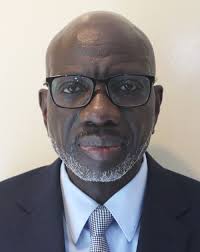
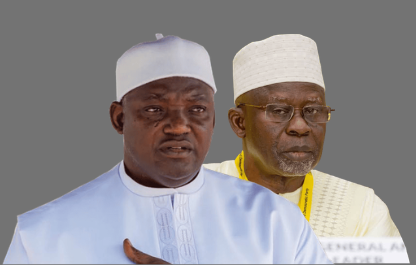
Speaking at the gathering, National Security Adviser and Deputy Chairman of The Gambia’s Boundary Commission, Abubacar Jeng, said President Adama Barrow was paying close attention to the exercise, describing it as an issue of considerable national importance.
Mr Jeng sought to draw a clear distinction between boundary densification and demarcation, stressing that the existing border was not being redrawn.
“The border is not being demarcated; it is being densified to make it clearer,” he said.
He acknowledged that the boundary passes through communities whose people have maintained close social, economic and familial relations for generations. Against that backdrop, he assured residents that the exercise would not result in the loss or confiscation of their land.
Mr Jeng further expressed confidence that the exercise would not undermine the peaceful coexistence that has long characterised relations between communities in The Gambia and Senegal.
His Senegalese counterpart, General Saihou Camara, Chairman of Senegal’s Boundary Commission, echoed the call for calm and urged residents to avoid taking the law into their own hands.
General Camara advised communities with concerns or grievances to seek clarification from the relevant authorities in either country rather than resorting to confrontation.
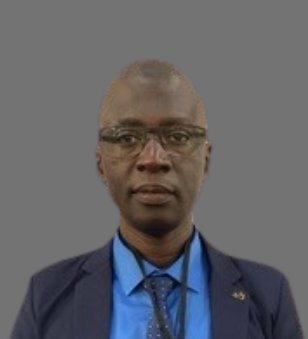
For GIZ, Dr Abdul explained that the exercise was important for improving the visibility and clarity of the existing boundary.
He said clearer identification of the border could help prevent misunderstandings and reduce the risk of cross-border disputes and conflicts, particularly in areas where communities and livelihoods straddle the frontier.
The Prefect of Kaffrine, Madam Fall, also underscored the need to preserve the peaceful relations that have existed between the communities for generations.
She encouraged residents to maintain the spirit of dialogue and cooperation that has enabled communities on both sides of the border to live together peacefully despite the international boundary separating them.
The traditional leadership reinforced the same message.
Chief of Upper Saloum, Alhaji Demba Sey, and his Senegalese counterpart highlighted the deep historical and cultural bonds linking communities in the area, stressing that these ties should not be weakened by misunderstandings surrounding the exercise.
Alkalos and youth representatives from both countries also took part in the engagement, reflecting the importance of involving local communities in the process.
The Njaw gathering marked the beginning of a broader sensitisation campaign expected to reach other communities along the border.
The campaign is intended not only to explain the technical nature of the densification exercise but also to address fears, correct false information and ensure that communities have access to reliable information from the authorities.
With officials from both countries maintaining that the existing boundary remains unchanged, the sensitisation drive is expected to play a crucial role in building public confidence and ensuring that the exercise proceeds without disrupting the longstanding peace and cooperation between the people of The Gambia and Senegal.
By Essa Jallow