The Ministry of Tourism, Arts and Culture has announced the transformation of Albreda, Juffureh and Kunta Kinteh Island from seasonal slave history stopovers into a year-round, world-class heritage tourism destination breaking the over-dependence on November-April coastal tourism.
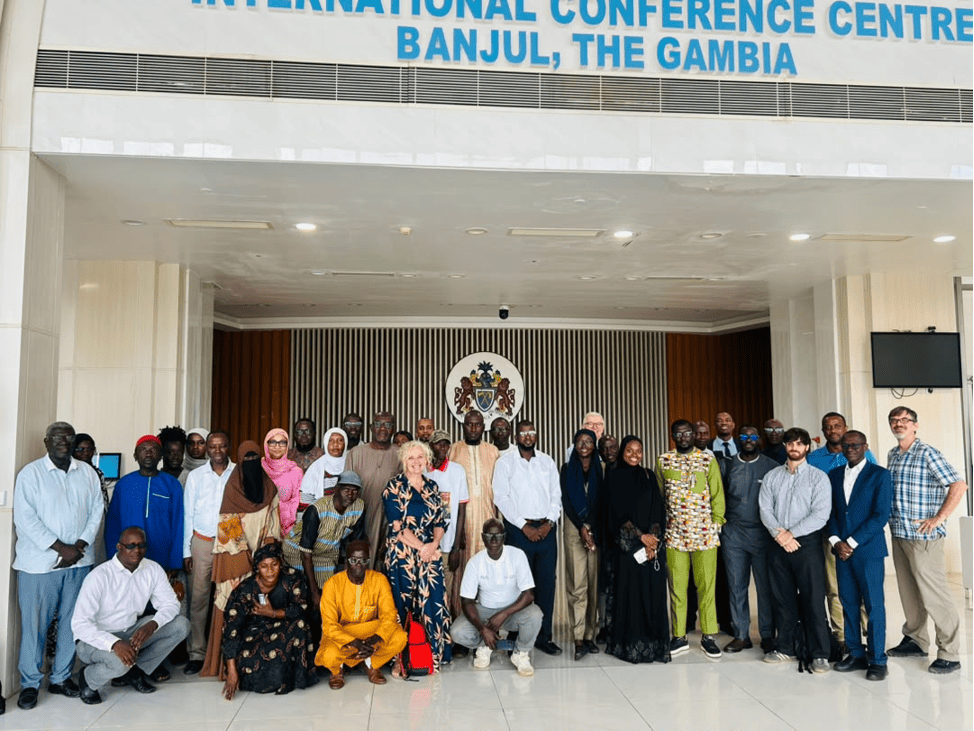
The bold initiative was unveiled Thursday at a stakeholder validation workshop organised by the Project Implementation Unit of the Tourism Diversification and Resilience in The Gambia Project — TDRGP to review the Visitor Management Plan for the three sites that form The Gambia’s only Unesco World Heritage Site.
The VMP is expected to improving visitor experience, protecting heritage, increasing community participation, strengthening interpretation and governance, and promoting sustainable tourism that puts money directly into community hands.
The workshop brought together chiefs, alkalos, tour operators, NCAC, GTBoard, museum experts and diaspora stakeholders to validate findings before final adoption.
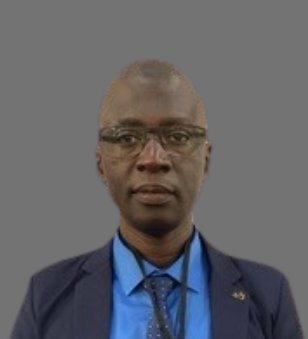
Project Director of TDRGP, Momodou Ceesay said The Gambia cannot survive on 6-month tourism.
He said since 2022, the World Bank IDA-funded project has supported interventions to improve tourism infrastructure, develop new products, strengthen destination management and force inclusion of local communities and small businesses into the tourism value chain where previously only big hotels in Senegambia ate.
One major achievement is the first comprehensive demand and destination site evaluation in Gambian history. More than 60 potential tourism sites were reviewed through field missions, desk research, stakeholder consultations and structured scoring.
It exposed ten priority destinations selected, at least one in each region, for investment to expand Gambia’s offering.
Albreda, Juffureh and Kunta Kinteh Island were top of the list, alongside wider Fort Bullen area — all associated with Unesco World Heritage status for their role in transatlantic slave trade and colonial resistance.
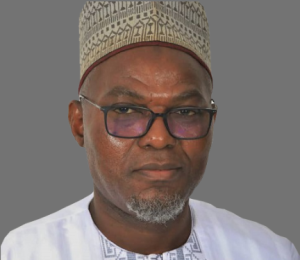
Representing the Tourism Permanent Secretary, NCAC Director General Hassoum Ceesay described the validation of VMP as another milestone under the World Bank project.
He said although tourism contributes 20% of GDP and thousands of jobs, it remains highly seasonal and dangerously dependent on European markets November to April.
Government, he said, is now aggressively diversifying: warm climate 365 days, coastal landscapes, biodiversity, 600 species of birds — one of the highest birding densities in world — riverine ecosystems, slavery heritage, and living culture can support year-round tourism.
He said VMP goes beyond building toilets and jetties. It provides integrated approach covering visitor experience, heritage protection, access, signage, interpretation, public art, community participation and governance, how many boats go to the Island per day, how stories are told, and how revenue is shared.
Lead Consultant Dr Simon Woodward, who has visited The Gambia for 16 years, said these three sites can compete with any World Heritage destination in the sub-region including Ghana’s Cape Coast and Senegal’s Goree Island — if managed properly.
He highlighted strong community commitment around sites, particularly determination to preserve heritage and share it with visitors and African diaspora returning to trace roots.
Woodward said attraction of Albreda and Juffureh extends beyond slavery. Visitors can experience contemporary lives of Kunta Kinteh family compound, traditional wrestling, fishing, women oyster harvesting, palm wine tapping, and the living Mandinka culture that survived slavery.
The message from the workshop is that The Gambia has been selling only sun and beach for 60 years and the future is heritage, river, culture and community — 12 months a year, not six.
Stakeholders are expected to submit the final inputs before the Visitor Management Plan is formally adopted and funded for implementation.
When it is adopted, Albreda, Juffureh and Kunta Kinteh will no longer be a two-hour excursion from a beach hotel — they will be a destination in themselves.