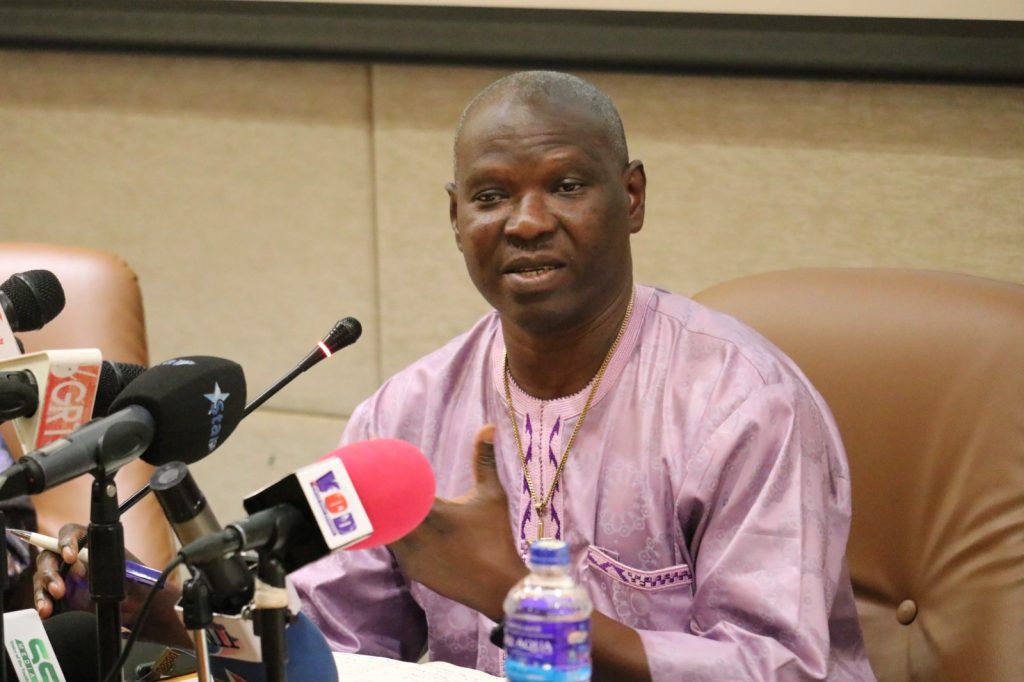
Speaking on Sud FM radio this Sunday, Senegal’s leading human rights activist Alioune Tine lamented that Senegal’s socio-political landscape is in a situation of “extreme gravity”, marked by an open confrontation between the executive and legislative branches, all against a backdrop of economic and human distress.
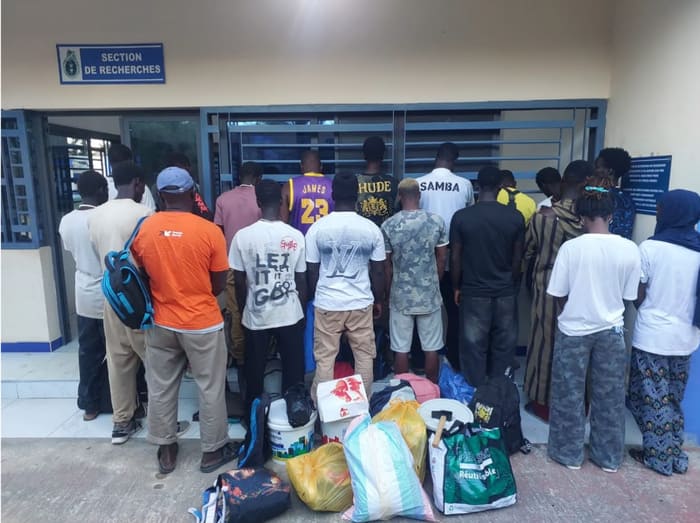
Reflecting on the recent tragedy in Lompoul, which has once again plunged the nation into mourning, as more lives were lost on the perilous routes of irregular migration, the founder of the AfrikaJom Centre, described it as a symptom of a profound generational malaise, exacerbated by a catastrophic political and economic situation.
“Thousands of young people have died. It is a profound sense of unease, a feeling of being useless at such a young age,” he lamented, highlighting the loss of dignity among a youth population unable to meet their basic, essential needs.
For Tine, slogans encouraging young people to “stay here and succeed here” (Tekki fii) remain hollow as long as the state fails to plan for the professional integration of those entering the labour market. This failure is compounded by inflation, which is suffocating the Senegalese people. “People are struggling to afford food — meat, rice, oil, vegetables — everything is expensive, not to mention rent,” he stressed.
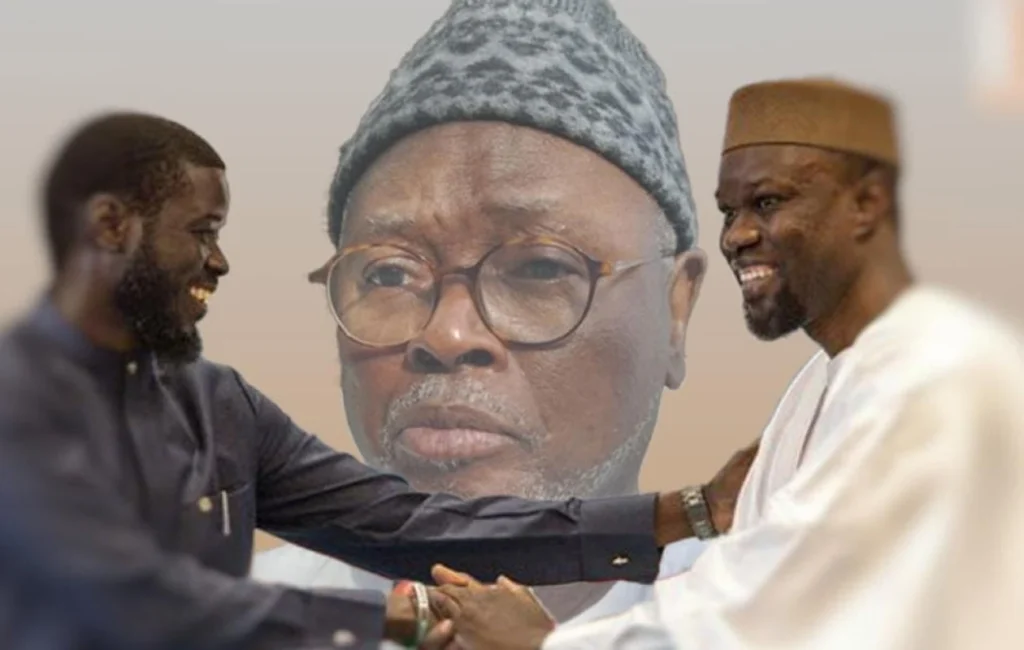
At the heart of the criticisms levelled by this prominent figure of Senegalese civil society is the institutional crisis precipitated by the Sonko and Diomaye rift that is currently paralysing the highest levels of the state. Alioune Tine did not mince his words when describing the blocking of the national budget by the National Assembly, which is controlled by the Pastef party. He viewed this as a “stance of open insurrection”, an attitude unprecedented in Senegal’s political history.
According to him, even during periods of “cohabitation” (when the executive and the legislative majority are from opposing sides), the national budget has “never” been rejected.
Mr Tine said the rift between the head of state, Bassirou Diomaye Faye, and his former mentor, Ousmane Sonko, now speaker of parliament, is a “blind hostility” for which the country is already paying a heavy price — most notably in financial terms, as evidenced by successive downgrades to its sovereign credit rating.
“The budget is what allows the state to function. If you block it, you bring the entire country to a standstill. What is staggering is that people remain completely blind to the consequences of their actions. It is intolerable,” he asserts, expressing indignation at the total lack of dialogue between the two institutions.
Tine argued that both leaders (Diomaye and Sonko) have yet to fully grasp “the weight of the responsibilities resting on their shoulders”.
He called for an immediate de-escalation to avert an economic and social collapse. “The time has come for President Diomaye to speak with Ousmane Sonko, and for the National Assembly to put an end to this absurd insurrection. We are standing on the edge of a precipice, yet we continue to dance on a tightrope. Enough is enough!”
Seneweb