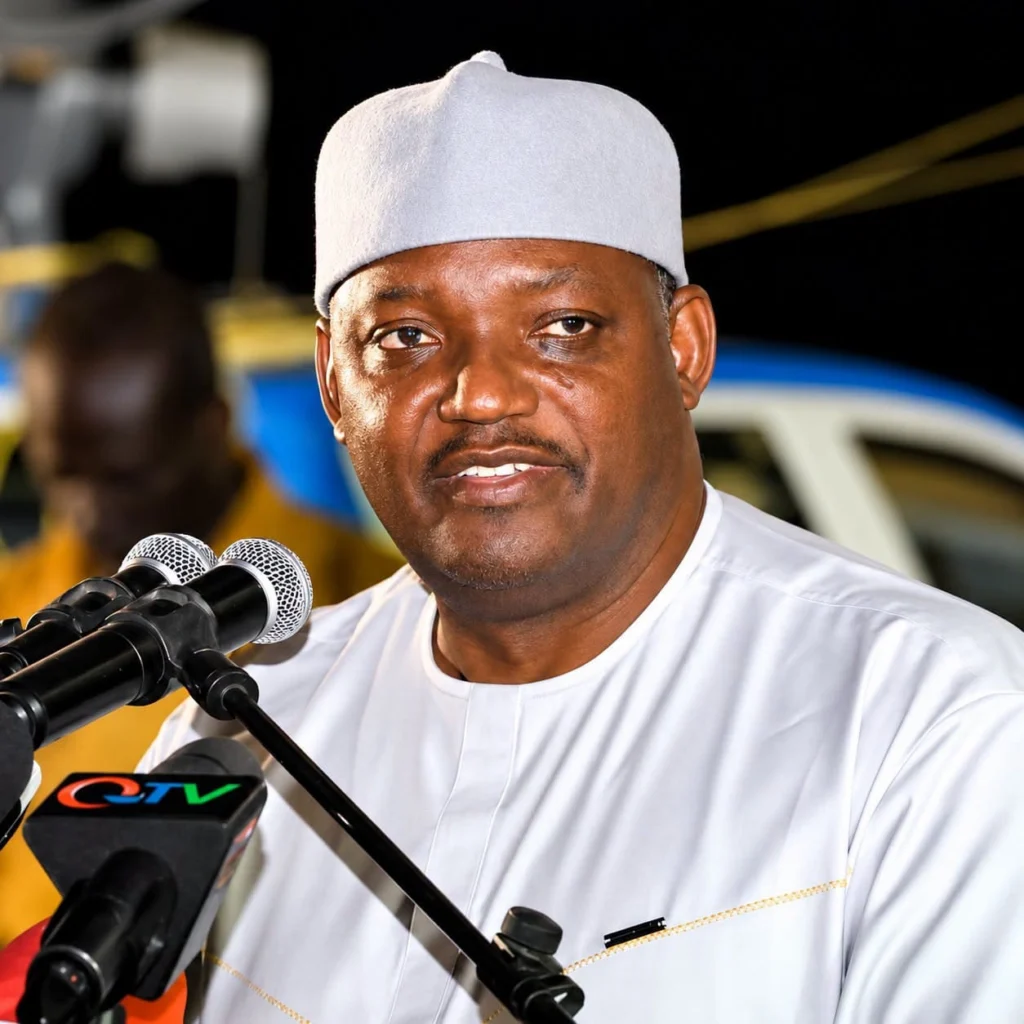
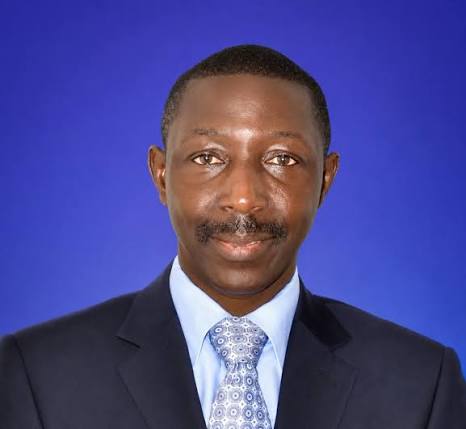
The leader of Coalition 2026 and UNITE party Talib Ahmed Bensouda has dismissed concerns about his eligibility to contest the December 5 presidential election, insisting that there are no legal grounds to disqualify him.
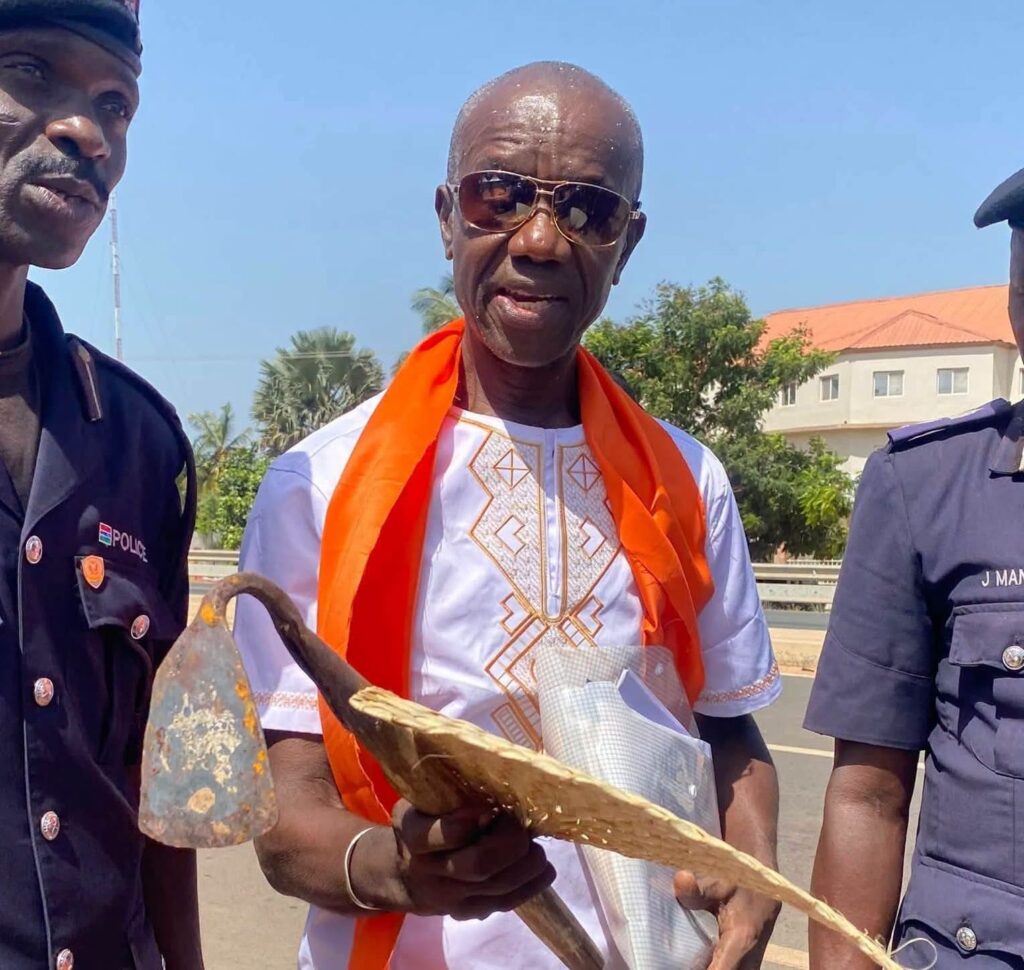
He was speaking Saturday after submitting his nomination papers to the Independent Electoral Commission (IEC) in Kanifing.
His nomination comes amid controversy surrounding the Government White Paper on the Local Government Commission of Inquiry, which recommended actions against him that could invoke a disqualification provision in the Constitution. Bensouda has rejected the whitepaper as part of a pattern of witch hunt designed by the NPP government to block his candidature.
“My candidacy is not attacked at all by the government white paper. I am in no way disqualified, and am sure the IEC would do the right thing,” Bensouda said.
He added that The Gambia is a country governed by laws and insisted there was no basis to prevent him from contesting.
Mr Bensouda, 40, presented his national identity card, educational certificates, voter’s card, sworn asset declaration and income tax clearance, among other required documents to the IEC for his nomination.
He also submitted proof of payment of the D1 million nomination deposit and a letter confirming his resignation from KMC.
Asked to explain his resignation a day before his nomination by the IEC Chairman Joseph Colley, Bensouda cited constitutional provisions which he said required him to leave his position before contesting the presidential election.
However, IEC Chairman Colley said the Commission would conduct due diligence before making a final decision on his nomination.
He said the IEC would also, like in every other candidate’s case, verify the people who endorsed Mr Bensouda’s candidature, including by contacting them using the telephone numbers provided.
Chairman Colley said the Commission is expected to inform him of its decision within two to three days. He added that any minor errors identified would be communicated to the candidate for correction.
Meanwhile, Bensouda defended his record at KMC, rejecting suggestions of personal misconduct.
He said the concerns raised by the inquiry mainly reflected structural weaknesses in local government that required legislative reforms.
He also promised that, if elected, his government would separate the Office of the Attorney General from the Ministry of Justice to strengthen its independence.
Mr Bensouda said his party’s 66-point agenda would prioritise poverty reduction and national development.