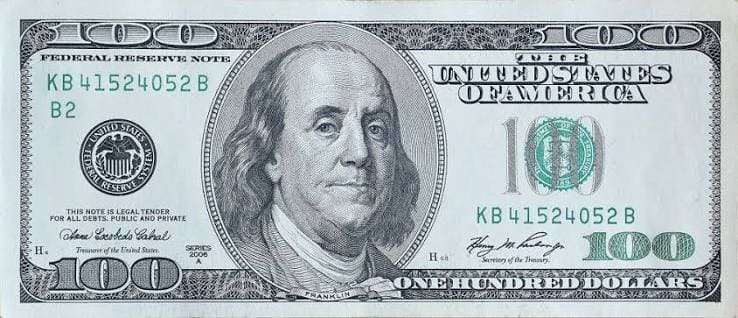
The Central Bank of The Gambia has reported a “strong” gross international reserve position of US$546.84 million, equivalent to 4.2 months of prospective imports of goods and services as at the end of October 2026.
Governor Buah Saidy said the country’s external reserves remained strong, providing an important buffer against external economic shocks at a time when The Gambia continues to face risks from global economic uncertainty and its dependence on imports.
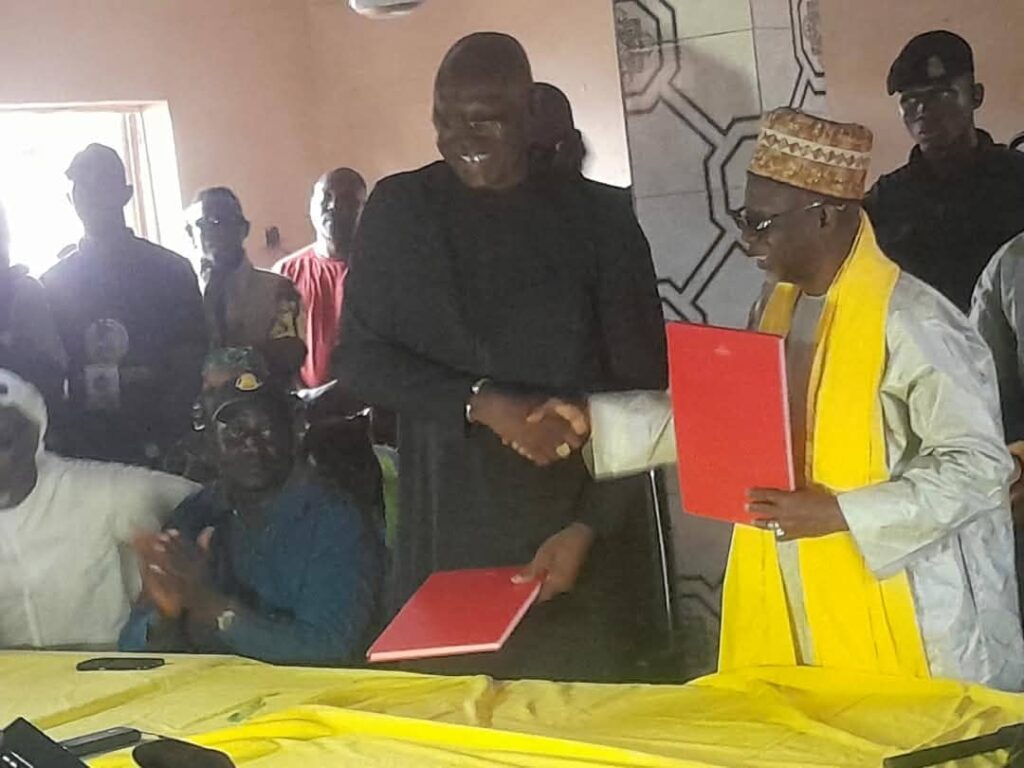
Presenting the Monetary Policy Committee’s quarterly review yesterday, Saidy said the domestic foreign exchange market also continued to function smoothly during the third quarter of 2026, supported by improved foreign currency supply conditions.
He reported that aggregate foreign currency purchases and sales amounted to US$670.9 million during the period, while private remittance inflows reached US$753 million in the first nine months of the year, compared with US$641.2 million during the same period in 2025.
He said the Dalasi remained “broadly stable” during the review period, depreciating marginally by 0.3 per cent against the US dollar.
However, the governor noted that strong demand for foreign currency to finance imports of essential commodities continued to exert pressure on the market.
He assured that the Central Bank would continue to monitor developments and maintain adequate external reserves to safeguard the country’s economic stability.
The reserve position is important for The Gambia because the country relies heavily on imported commodities, including food, fuel and medicines. Adequate foreign reserves help the Central Bank meet the country’s external payment needs and support stability in the foreign exchange market.