How often have you watched someone attack the very community/group they belong to just to gain validation or approval from another? Let me put it differently: how many times have you heard a Badibunka disparage fellow Badibunkas to impress a Kianka? Here is a scenario:
Something Ceesay’s Entourage: We are here in Kiang Kaif, kneeling before you, because our son, Ousman Ceesay, wants to marry one of your queens. All of us here were born and raised in Badibu, but Wallahi, we are not like Badibunkas. In fact, we abhor their behavior! We are of them, but we are not like them.
You get my drift? We see people disparage their ethnicity to seek acceptance within another ethnicity. You will also see an Ebrima Sillah publicly attack the party that made him and is led by a man he calls his father to earn acceptance within the APRC/NPP. We see Africans demeaning other Africans to win the approval of white people, and white people condemn their own merely to project moral difference. I have seen some Muslims/Christians denounce members of their faith to gain entry into circles that abhor their faith. You see where I am going with this? It is a familiar pattern: You insult, disparage, belittle, or humiliate your own, or a group you once called home, as proof of your independence, courage, or enlightenment. You may think this is normal behavior, but it is not. It takes a very small person to condemn himself to gain acceptance. Why must Mmajiki condemn himself before Sawajibi considers him worthy of acceptance? And what kind of political acceptance demands self-mutilation as its entrance fee? Welcome to the APRC/NPP politics! Some smart person called this condition internalised oppression. Do you know how internalized Mmajiki’s oppression has to be for him to start insulting himself using the words of Sawajibi, the oppressor? Can you imagine how oppressed Sainey Jawara must be for him to come out denigrating his ethnicity to feel accepted within the APRC/NPP?
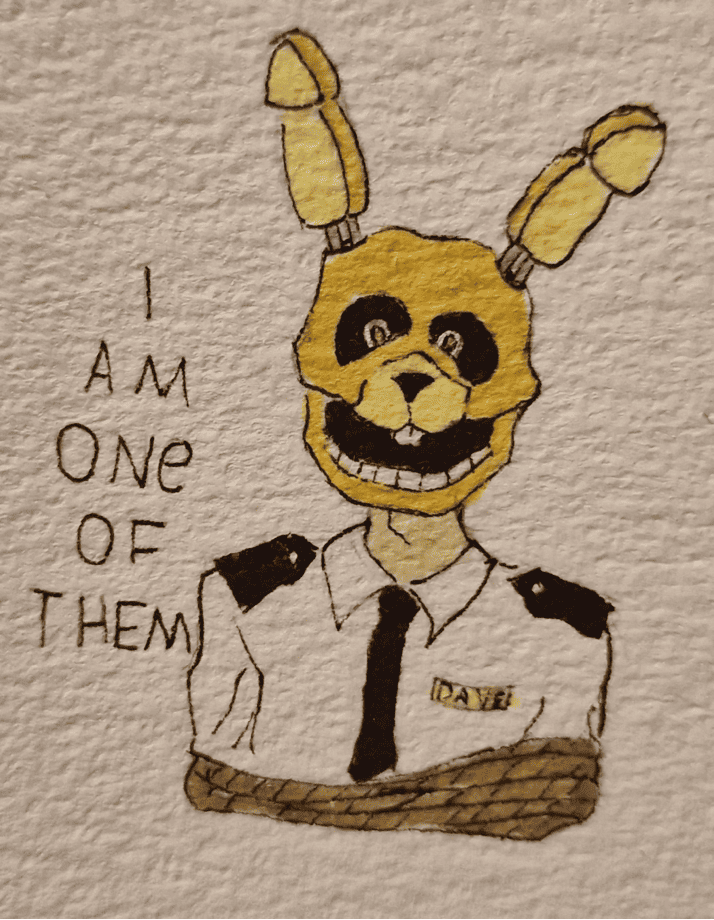
When I hear an Ebrima Sillah or Maimuna Ceesay ranting and projecting false bravado, I shake my head in sorrow because I know who they are dying to please. Their domination by the Seedy Njie group is so deeply rooted that they see themselves through the eyes of those who control and judge them. Look closely at this colonial space we have been told to call The Gambia, and you will find traces of internalized oppression everywhere. Our post-independence history is littered with people who have internalized that condemning their own can earn them proximity to power. Our migratory history, especially among those who moved from that other place, to Tobacco Road, is equally marked by this struggle for acceptance through self-rejection. Listen for five minutes to the Maimuna Ceesays or Sainey Jawaras at an APRC/NPP rally, and the pattern reveals itself. First comes the declaration: “I am one of them.” Then come the credentials: “I am Mandinka through and through.” Finally, the self-mutilation comes: “But I am not like them.”
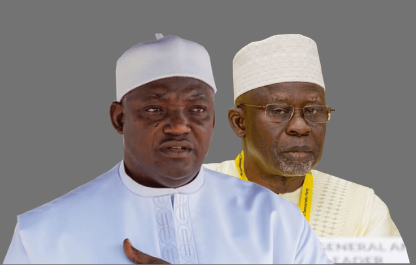
Look deeper, and you will see people operating under the shadow of Seedy Njie and his cabal within the NPP, where belonging appears to depend on proving one’s usefulness against one’s own. Some, like Ebrima Sillah, attempt to resist, but resistance inside such a structure is a delicate balancing act. Seedy Njie and his cabal have the ears of Adama Barrow, and Ebrima needs to continue feeding on the backs of poor Gambians. Unlike the Sainey Jawara, the Prado MP, Ebrima Sillah may not attack Mandinkas directly, but he will readily attack his old party, led by the man he calls his father. That is how internalized oppression sustains political power: it does not always force people to renounce who they are; sometimes, it simply rewards them for publicly betraying, insulting, castigating, and disowning where they came from or belonged. If that means castigating a man they call their father, then so be it. As long as it makes their oppressors happy, life goes on. To be accepted within the APRC/NPP, castigate Mandinkas! And if you are Mandinka, your castigation is hailed because while you are one of them, you are not like them. The Seedy Njie group will gladly cheer you on and hail you as a fierce, independent convert. They will call you rehabilitated because you are one of them, but you are not like them. Sadly, your oppression is lost on you. And that is the tragedy: Your inability to recognize your oppression.
By Alagie Saidy-Barrow