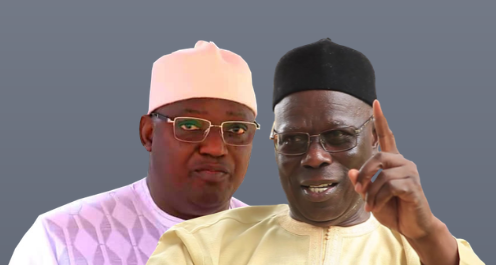
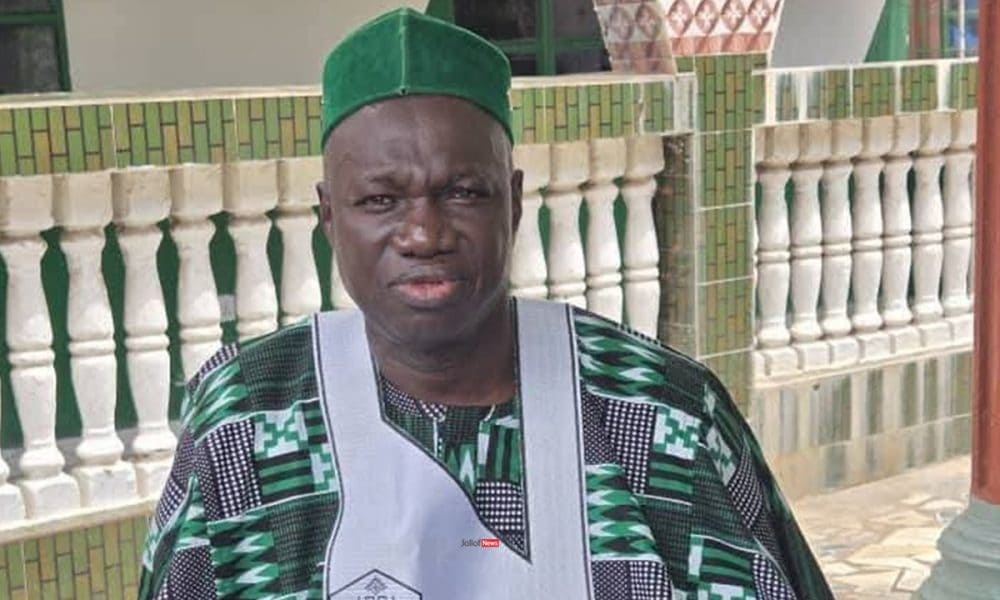
In our mosques on Fridays and in our churches on Sundays, Gambians pray for peace, for unity, and for guidance. We listen to our Imams and our Pastors because we believe they speak not for themselves, but for a higher moral order.
That is why at this critical moment in our national life, our religious leaders must not only preach peace, they must be seen to preach peace.
The Gambia is heading into a sensitive political season. The economy is biting hard and cost of living is high. Young people are frustrated and social media is awash with anger, insults, tribal rhetoric, and dangerous misinformation. The temptation to use the pulpit to settle political scores or to subtly endorse one group against another is growing.
We must resist it.
The history of this country teaches us that when religious leaders stand for peace, The Gambia stands firm. When they are silent or partisan, the nation wobbles. Gambians have never fought each other over religion. Our strength has always been that a Muslim Imam and a Christian Priest can sit on the same platform and pray for the same Gambia. That tolerance is not accidental. It is preached, nurtured, and protected.
Today, that protection is needed more than ever.
Preaching peace does not mean being silent about injustice. Both Islam and Christianity demand justice. Our religious leaders must continue to speak against corruption, against abuse of power, against the suffering of the poor. But they must do so without inciting hate, without tribalising the message, and without turning houses of worship into political rally grounds.
Peace should not only be preached when your preferred party is under attack. It must be preached when your own followers are the aggressors and it must not be seasonal.
Gambians want to see our Supreme Islamic Council and our Christian Council standing together, visiting communities together, condemning violence together, and calling all political actors — government and opposition to restraint. A joint sermon for peace carries more weight than a thousand Facebook posts.
Every Imam and every Pastor who controls a microphone control emotions. Loose words from the pulpit can burn a nation faster than any political speech. Our leaders must vet what is said in their names, caution young preachers who seek fame through provocative sermons, and remind all that no political ambition is worth the blood of a Gambian.
The Gambia is bigger than any politician, bigger than any party, and bigger than any election. Elections will come and go on December 5 and beyond. But after the votes are counted, we will still be neighbours, still be families, still be one small country that cannot afford division.
Our religious leaders hold a trust that politicians do not have: the trust of the soul. We appeal to them to use that trust wisely.
Let every sermon this season end with a clear message: No to violence. No to tribalism. No to hate. Yes to peace, yes to tolerance, yes to The Gambia.
If they are seen to preach peace, the people will follow peace.