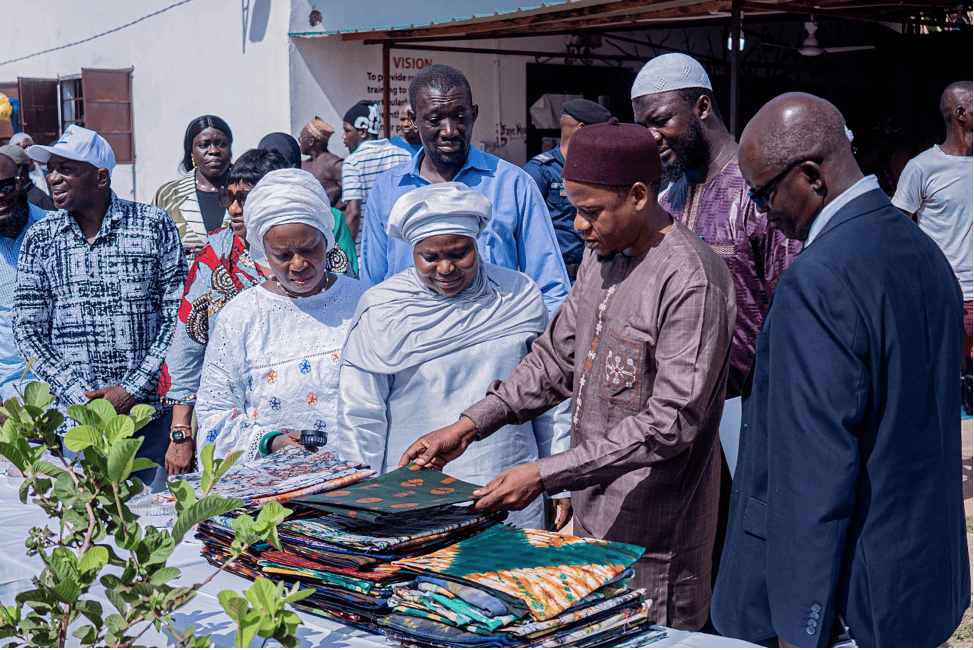
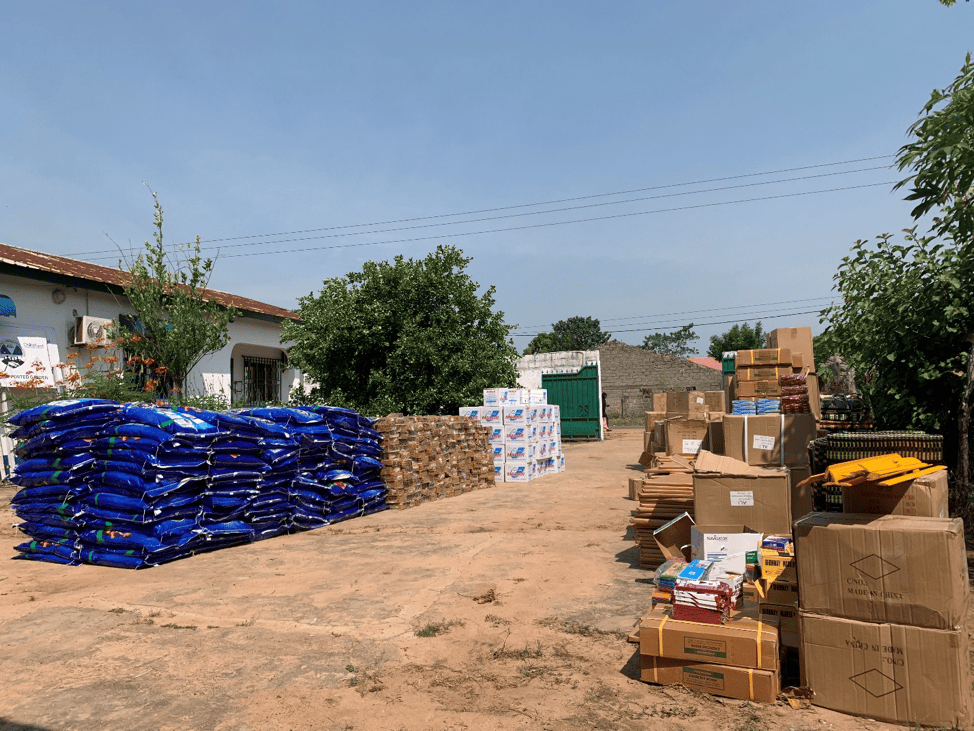
A total of 102 beneficiaries under the West Africa Coastal Areas (WACA) Resilience Investment Project have received grants to start or expand businesses in tie-dye, food processing, handicrafts and waste-to-wealth enterprises.
The grants were presented at Gaye Njorro Skill Academy in Kotu as part of efforts to improve livelihoods and strengthen resilience of communities along the Kotu Stream.
The beneficiaries are part of the first phase of the WACA Livelihoods Programme, which targets 2,128 people, including 700 individuals and 20 women’s groups. The programme focuses particularly on vulnerable women and young people.
Minister of Environment, Climate Change and Natural Resources Rohey John Manjang described the presentation as another milestone in implementation of the WACA Project.
She said the initiative reflects Government’s commitment to supporting communities exposed to climate risks and natural disasters.
Referring to President Adama Barrow’s launch of the programme in December 2025, Manjang said resilience must go beyond infrastructure to include direct investment in people’s livelihoods.
“Resilience building requires investment in programmes and services that improve the lives and livelihoods of the people who are most exposed to climate risks and natural disasters,” she said.
Beneficiaries were selected through a competitive process and trained in tie-dye, waste-to-wealth enterprise development, compressed stabilised earth block making, handicrafts and food processing.
“Behind each grant are the hopes of a family, the stories of struggle and resilience, and the conviction to build a more secure future,” Manjang said.
She said this is the first phase, with further beneficiaries to receive support in coming months.
ITC Country Representative Yusupha Keita said 120 people completed training in five trades: compressed stabilised earth blocks, food processing, food vending, handicrafts and tie-dye.
All 120 trainees completed their courses, with satisfaction rating above 98 percent, except food vending delivered under a different arrangement.
Keita said the programme is designed to transform survival activities along the Kotu Stream into sustainable businesses.
Graduates will receive certificates and equipment packages worth US$78,000.
“But skills alone are not enough. Skills need tools,” he said, adding that support will extend to another 550 individuals and 20 groups.
“You have the skills. You have the tools. Now go and strengthen your livelihoods, grow your businesses, and make us all proud,” Keita told beneficiaries.
WACA ResIP 2 Project Coordinator Momodou Lamin Sanyang said the presentation marked the point where support moves into practical action.
The 102 beneficiaries will use the grants to start or expand businesses in tie-dye, waste-to-wealth, food processing, handicrafts and compressed stabilised earth blocks.
Remaining participants will receive grants in coming weeks as they complete training.
The WACA Livelihoods Programme is part of the broader WACA Resilience Investment Project 2, funded by the World Bank and implemented by the Ministry of Environment, Climate Change and Natural Resources.