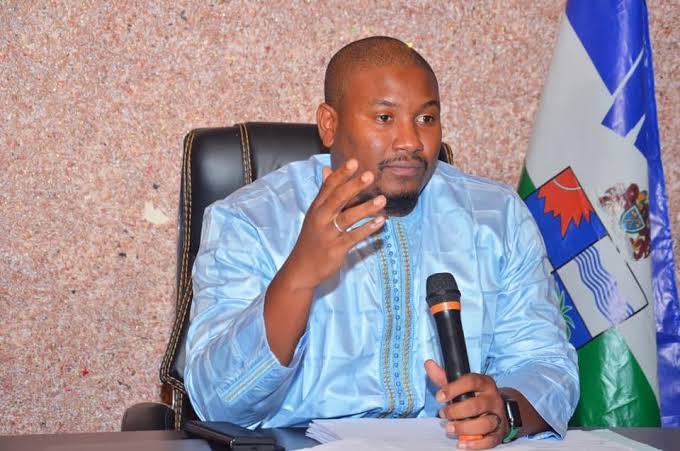
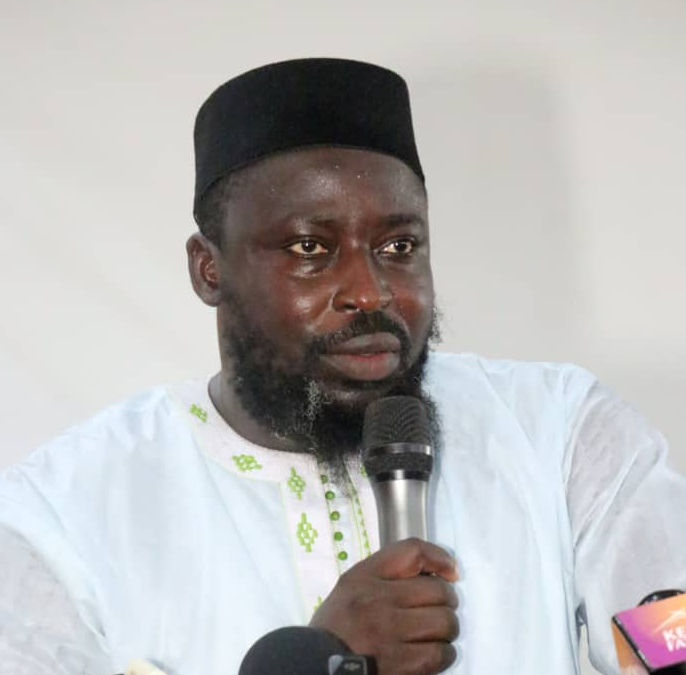
Coalition 2026 presidential candidate Talib Bensouda has pledged to introduce a two-term presidential limit within six months and deliver a new constitution within two years if elected president on 5th December.
Bensouda made the commitment during an interview with journalists at Janjangbureh, where he stopped overnight before proceeding to the Upper River Region for campaign rallies. He said constitutional reform and term limits were central to his coalition’s 66 priority actions.
“It has to happen. It must happen,” he said, adding that his proposed reforms were necessary to establish good governance and create the conditions for economic development.
The former Kanifing municipality mayor said the coalition’s economic programme would focus on improving local production, expanding access to finance and reducing the country’s dependence on imported goods.
He said the North Bank and Central River regions had considerable economic potential in agriculture, tourism and trade but required strategic investment to create jobs and improve livelihoods.
Under the coalition’s 66-point agenda, he said, a dedicated agricultural bank and a small finance bank would be established to provide funding for farmers, horticultural producers and livestock owners.
Bensouda also proposed removing price ceilings on groundnuts to enable farmers to earn more from their produce, arguing that food security and employment opportunities must go hand in hand.
“The main challenge is The Gambia’s economy is not productive. Government is investing in infrastructure, but not investing in its people,” he said.
On unemployment and irregular migration, he said his government would encourage local manufacturing and production to create opportunities for young people.
He cited furniture imports as an example, estimating that the country imports about US$500 million worth of furniture, including approximately US$100 million procured by the government.
He said his administration would use tariffs and import duties to discourage the importation of goods that could be produced locally, while supporting Gambian businesses and creating jobs.
Bensouda also promised reintegration programmes for young people returning from irregular migration journeys, citing the migration hub established during his mayorship as an initiative he would seek to build on.
On healthcare, he argued that the construction of hospitals and other facilities was not enough to guarantee quality services, saying greater attention should be given to medical supplies, qualified personnel and affordable treatment.
“Infrastructure creates a platform for advancement. It creates a platform for prosperity and wellness, but that is not development,” he said.
He added that his health priorities would include improving nurses’ capacity, providing better incentives for doctors and ensuring the availability of affordable medicines.
Addressing concerns over the depreciation of the Dalasi against the CFA franc and the rising cost of living, Bensouda blamed the situation partly on the country’s reliance on imports and what he described as excessive pressure on businesses through taxation.
He said increased import duties and the demand for foreign currencies were contributing to rising prices, while local production remained weak.
His proposed response includes strengthening the Dalasi, encouraging domestic production and reducing taxes on imported goods to ease pressure on consumers and businesses.
He also pledged to introduce a minimum wage policy covering both public and private sector workers, arguing that salary improvements should not be limited to government employees.
On tourism, Bensouda criticised “the stagnation” of the sector, saying The Gambia had failed to increase tourist arrivals despite the growth recorded by other destinations.
He compared the country’s tourism performance with Cape Verde, which he said had increased annual arrivals from about 200,000 to 1.5 million over the same period.
Responding to questions about recent opinion polls that placed him behind the two leading presidential contenders, Bensouda maintained that his coalition was gaining ground and could win the 5th December election.
He argued that the surveys did not fully reflect the growth of his candidacy, particularly among young people and women, and claimed that the coalition had made significant progress in recent months.
He also identified undecided voters, particularly professionals and civil servants, as an important group that could influence the election.
“The youths will decide this election,” he said, urging young people and women to turn out in large numbers on polling day.