There are moments when a small nation makes the whole world listen. One of those moments belongs to The Gambia. When The Gambia took Myanmar to the International Court of Justice over the genocide of the Rohingya people, many thought it was a gesture too big for a country of our size. A nation of just over two million people, with limited resources, challenging a powerful state over crimes committed thousands of miles away. What could Banjul possibly achieve in The Hague?
The answer, now, is history. The Gambia won. The court accepted our case. It rejected Myanmar’s attempts to have it thrown out. It ordered provisional measures to protect the Rohingya from further harm. It affirmed that genocide is not a matter for neighbours alone, but a matter for all of humanity. This was not an accident. It was leadership. And today, we must name those who made it possible and say thank you.
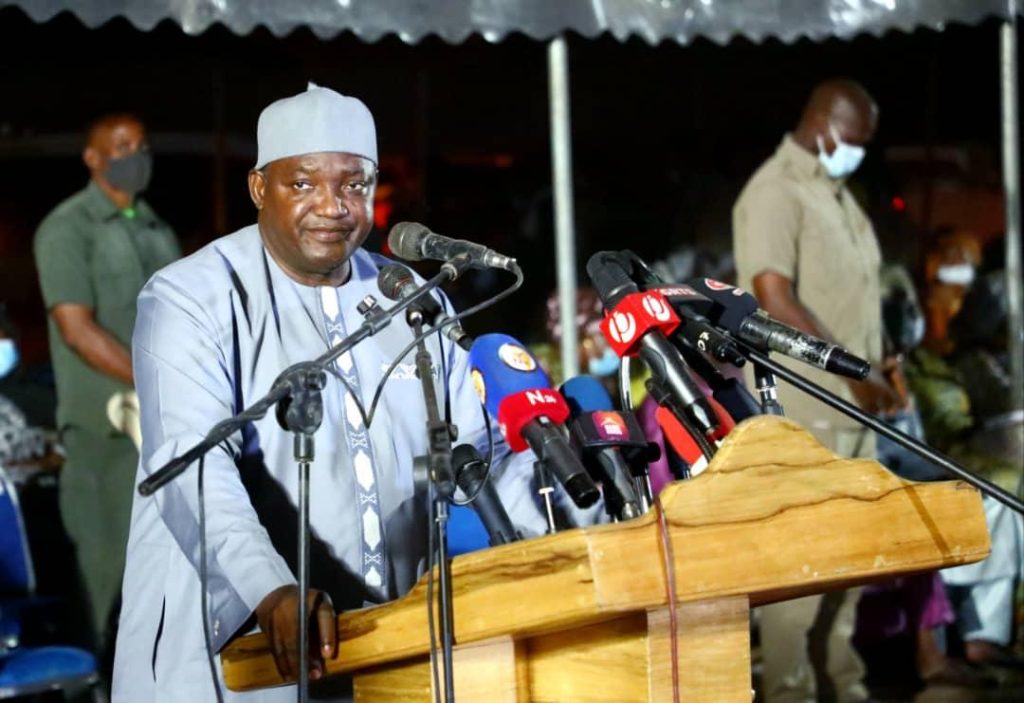
First, President Adama Barrow. A president could have chosen silence. He could have said The Gambia has its own problems, its own poverty, its own transition to manage. He could have feared diplomatic retaliation, trade consequences, or political pressure from larger powers. He did not. President Barrow gave his government the political backing to act on principle. He understood that The Gambia’s own experience, from dictatorship to democracy, from impunity to accountability, gave us a moral authority that money cannot buy. He allowed The Gambia to speak not as a superpower, but as a conscience.
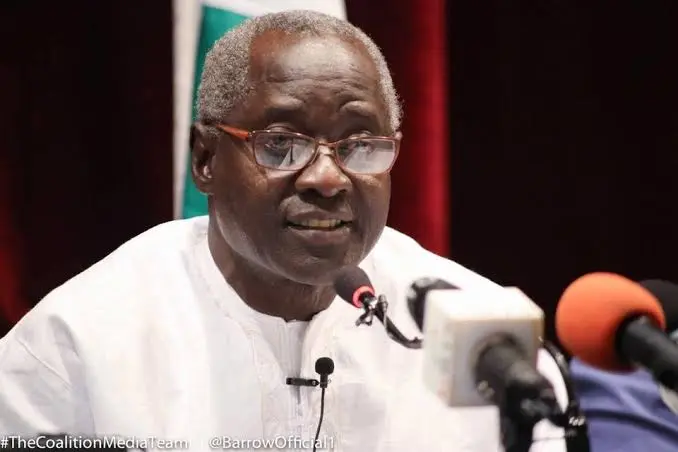
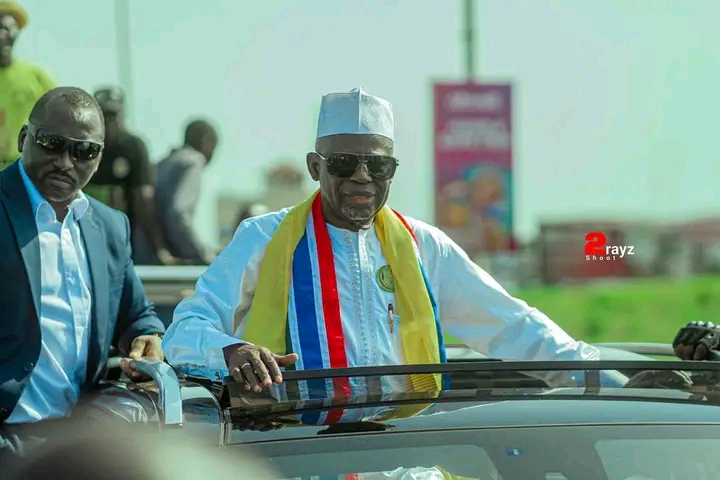
Second, Foreign Minister Ousainu Darboe. Many people did not know that were it not for Darboe, The Gambia’s case against Myanmar might not begun in the first instance. According to then Justice minister Abubacarr Tambadou, it was Darboe who urged him to go on the visit that triggered his interest in horrors perpetrated against the Rohingya. In the early days of this case, it was Darboe who carried The Gambia’s voice to the world. As foreign minister, he helped frame this not as an attack on a country, but as a defence of international law. He explained to a sceptical world why a small African state had both the right and the duty to act under the Genocide Convention. Every state that is a party to that Convention has the right to hold another party to account. Darboe understood that. He made sure The Gambia used that right with dignity and legal precision, not with anger or showmanship.
Third, Justice Minister Abubacarr Tambadou, the man who became the face of this case in The Hague. A former prosecutor at the tribunal for Rwanda, Tambadou knew what genocide looks like. He had seen the bodies, heard the survivors, and understood the cost of international indifference. When he stood before the judges, he did not speak as a politician. He spoke as a lawyer and as a Gambian who believed that “never again” must mean something. His presentation was clear, calm, and devastating. He laid out the evidence of killings, rape, burning of villages, and forced displacement of more than 700,000 Rohingya. He asked the Court to act before it was too late. And the court listened.
As the Sierra Leone lawyer and writer Abdul Tejan-Cole so brilliantly argued in his Opinion piece (see Page 15 Small state, large consequence – The Gambia, Tambadou, and the Rohingya judgment): “Tambadou’s personal role was decisive. He served as agent in the early hearings, argued the existence of a dispute, and helped obtain the 2020 order that required Myanmar to prevent genocidal acts and preserve evidence.” Because of his sterling performance, he appeared on Time’s list of the 100 most influential people in 2020 and was nominated for the Nobel Peace Prize. (Tambadou would often tease the editor’s of this paper, how he could be on Time 100, nominated for the Nobel Prize and yet not be named Gambian of The Year by The Standard?).
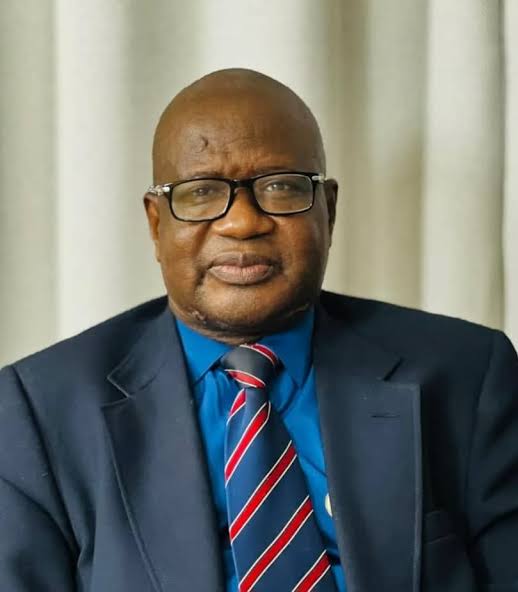
Fourth, Justice Minister Dawda Jallow, who carried the case forward with the same commitment. Justice is not a single hearing. It is years of filings, evidence, legal arguments, and patience. Jallow ensured that The Gambia did not start a case it could not finish. He kept the legal team together, kept the funding and political support in place, and kept The Gambia’s promise to the Rohingya alive through changes in government and competing priorities at home.
Together, these four men gave The Gambia a legacy that will outlive any election. Let us be clear about what this victory means. It means that a Gambian passport now carries moral weight. It means that when The Gambia speaks about human rights, the world cannot dismiss us as hypocrites. It means that our children will learn in school that their country did not stand by while a people were being erased. It also means something for Africa. Too often, Africa is told to wait for others to lead on global justice. The Gambia proved the opposite. Leadership does not depend on size, wealth, or military power. It depends on courage and law.
There is still work to do. The case must proceed to its merits. The Rohingya still live in camps in Bangladesh, still wait to return home safely, still wait for full justice. A legal victory is not the same as a life rebuilt. But without this first victory, there would be no path at all. Today, we congratulate President Adama Barrow, former foreign minister Ousainu Darboe, former justice minister Abubacarr Tambadou, and Justice Minister Dawda Jallow.
They did not do this for applause. They did it because it was right. And in doing so, they put The Gambia on the right side of history.