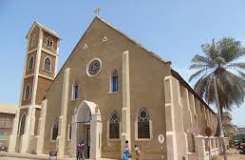
The Roman Catholic Diocese of Banjul through the Justice and Peace Commission (JPC) yesterday engaged religious leaders from different faith communities in a strategic dialogue aimed at promoting peace, tolerance and peaceful coexistence to mark the 40th anniversary of World Day of Prayers.
The event was first marked in Italy on October 27 1986 at the invitation of the late Pope John Paul. It was an extraordinary event in the history of interreligious dialogue and remains a living symbol of the Church’s commitment “to promote togetherness for the benefit of all mankind, social justice and moral welfare, as well as peace and freedom.
The Banjul initiative seeks to strengthen the role of religious leaders in preventing political tensions and encouraging communities to embrace dialogue and non-violence before, during and after the elections.
The JPC is a key diocesan body focused on human rights, national reconciliation and civic harmony. Working closely with Caritas Gambia and other partners, it conducts civic education, conflict-resolution, training and community mediation across the country.
Speaking at the engagement, the chairperson of the JPC, Fr James Jatta, said the meeting was organised to encourage religious leaders to take an active role in peace building ahead of the elections.
He stressed that religious leaders have a moral responsibility to preach peace and demonstrate peaceful conduct in their communities.
Fr Jatta recalled the shared commitment of religious leaders around the world to promote love over hatred, emphasising that people may belong to different faiths but remain members of one human family with a common desire for peace.
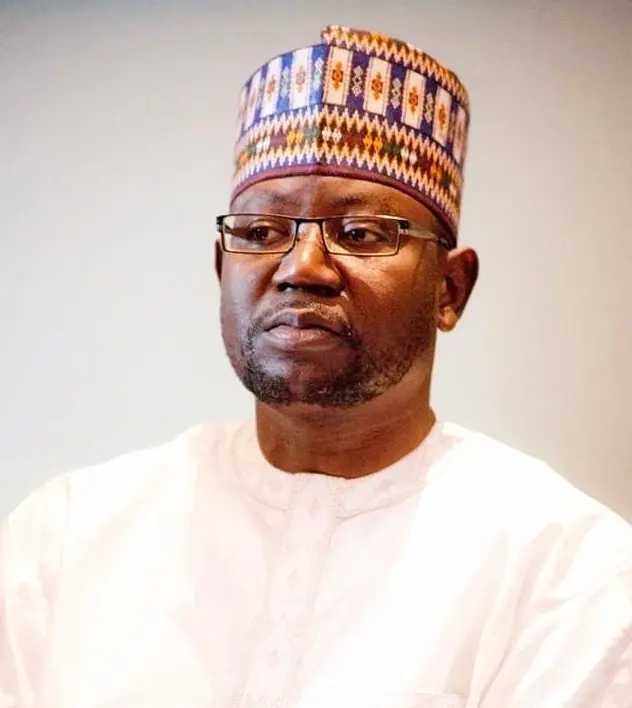
Imam Abubacarr Faal from the Supreme Islamic Council who was present at the gathering, also preached peace and emphasised the importance of maintaining peace especially during election year.
Representing the Bahá’í faith, Marie Yassin Sarr said peace building is a collective responsibility, particularly for religious leaders.
“We may have different beliefs, but the need for us to live in peace is our collective responsibility and everybody has the moral responsibility to make sure that peace is maintained at all levels,” she said.
Musa Kinteh, representing the Ahmadiyya Muslim Community, said regular dialogue on peace could help communities address potential conflicts before they escalate.
He urged religious leaders to preach and practice peace, saying maintaining peace should remain a moral responsibility.
The JPC continues to work with interfaith and civil society partners to support peaceful democratic processes and national reconciliation in The Gambia.
By Nelson Manneh