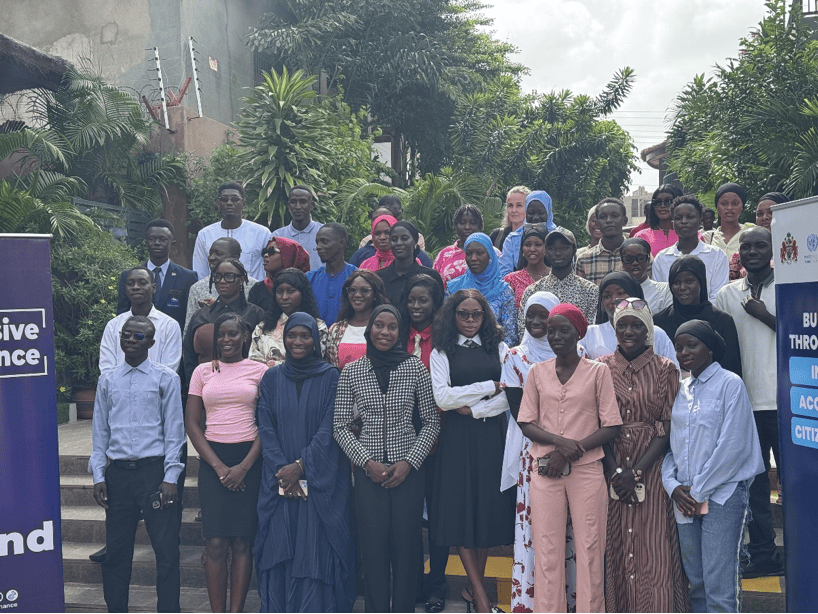
The Centre for Good Governance (CGG) has begun a two-day training to equip tertiary students with knowledge and skills to use The Gambia’s Access to Information Act, 2021.
The training, supported by UNDP, UNFPA and UN Peacebuilding Fund, brings together students from Media Academy for Journalism and Communication (MAJaC), University of The Gambia (UTG) and Supdeco.
It seeks to help young people understand right to access public information and use law to demand transparency and accountability from public institutions.
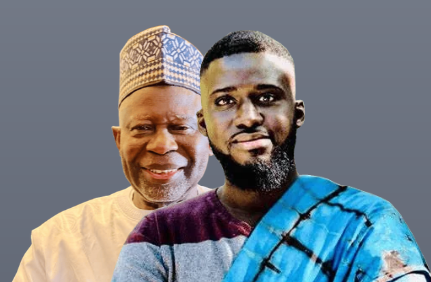
CGG Coordinator Yahya Sowe said access to information is vital tool for research and civic engagement.
He said law allows students and citizens to obtain official records instead of depending on assumptions when examining government policies and public affairs.
“Citizens can use the Act to investigate public spending, improve research and hold public institutions accountable,” he said.
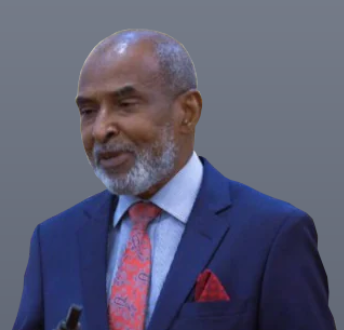
Commissioner Emil Touray of Access to Information Commission described access to information as fundamental right in democratic society.
He said country cannot strengthen democratic process without proper understanding of citizens’ rights.
“Freedom of expression and access to information are important pillars of democracy. The law should empower citizens to demand answers from public institutions,” Touray said.
Training focuses on practical use of Act. Participants learn how to identify right public institution, prepare information requests and follow formal procedures when requests are denied.
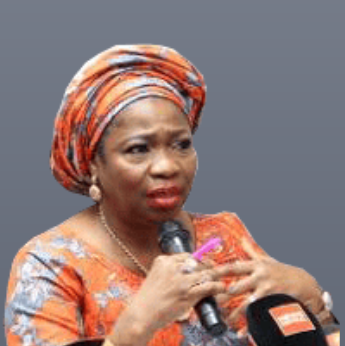
MAJaC Students’ Association President Awa Jaiteh said young people need reliable information to understand rights and participate in national discussions.
She said access to information can help students engage decision-makers, challenge misinformation and contribute to national development.
Jaiteh urged participants to use right responsibly by verifying information, respecting rights of others and promoting peace and constructive dialogue.
She reaffirmed student leaders’ commitment to transparency, accountability and responsible citizenship.
Organisers said training brings together young people from different institutions to exchange experiences and strengthen participation in public affairs, with hope participants apply knowledge in academic work and professional careers.