The Gambia has reaffirmed its strong commitment to international justice and the International Criminal Court (ICC), declaring that selective, slow, or conditional cooperation with the Court is nothing but impunity by another name.
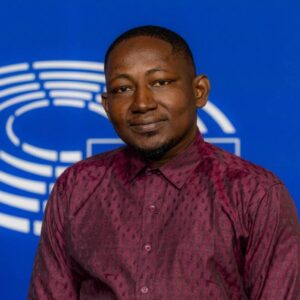
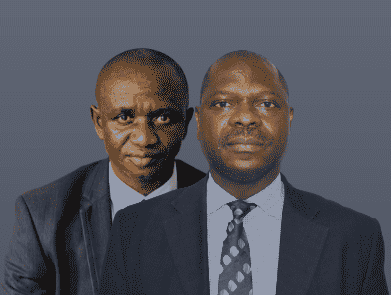
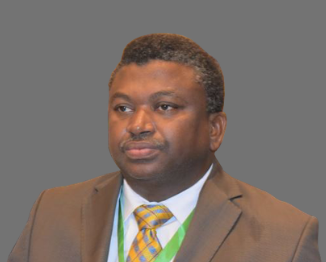
Justice Minister Dawda Jallow, accompanied by Pa Musa Jobarteh, The Gambia’s ambassador to Brussels accredited to the ICC, represented The Gambia at the ICC High-Level Regional Seminar on Strengthening Cooperation and Complementarity with the Africa Region held in Freetown, Sierra Leone from 22nd to 23rd October 2026.
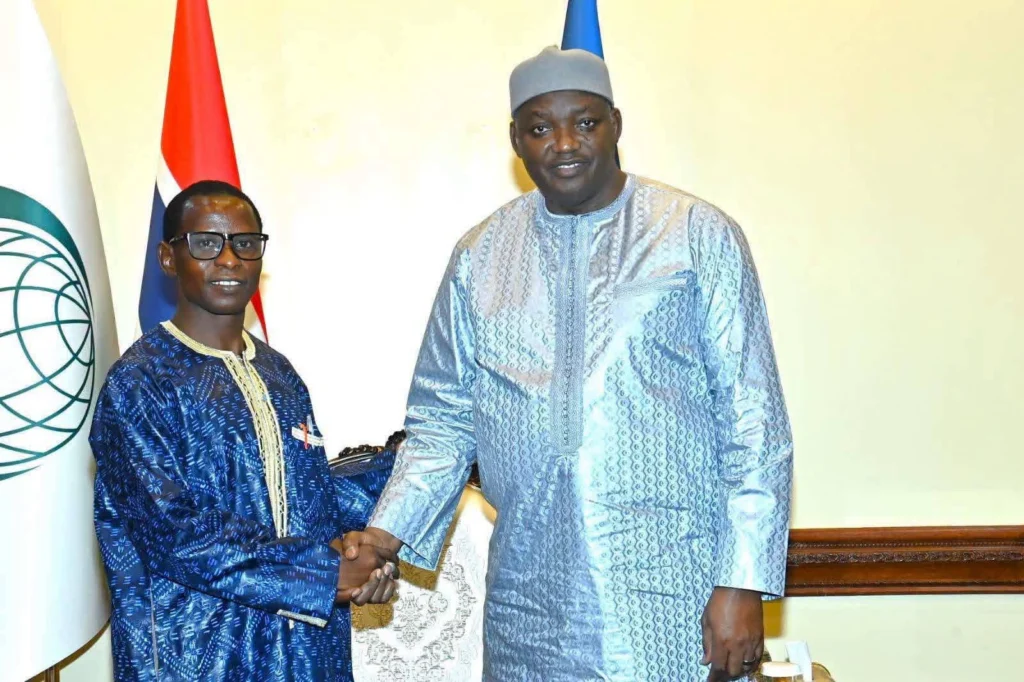
Held under the theme: “A Partnership in Fighting Impunity for the Gravest Crimes Under International Law,” the two-day seminar opened with a high-level courtesy call on President Dr Julius Maada Bio of Sierra Leone, led by the Court’s Second Vice President, Judge Reine Alapini-Gansou of Benin.
Amid unprecedented sanctions and political pressure facing the ICC, President Bio reassured the delegation of Sierra Leone’s unwavering support for the Court and for ending impunity.
The seminar drew ministers and ambassadors from across the region, including The Gambia, Guinea-Bissau, Mauritania, Nigeria, Senegal, Sierra Leone, Benin, Ivory Coast and Tunisia. The proceedings were co-facilitated by HE Dr Michael Imran Kanu, Sierra Leone’s ambassador to the UN, with opening statements from Court officials and ministers from Sierra Leone, The Gambia and Mauritania.
In a powerful opening remark, Judge Alapini-Gansou herself a target of sanctions declared that Africans must remain true to their commitment and defend their values. She noted that Africa remains the backbone of the ICC, with 33 Member States and 4 out of 18 judges on the Court.
She expressed pride that despite enhanced sanctions and intimidation, the Court continues to attract highly qualified candidates, including The Gambia’s own Justice Veronic Wright, who attended as a guest.
Delivering The Gambia’s statement, Minister Jallow stated that complementarity is not a line that separates the Court from national systems, but a shared responsibility that only works when States build the capacity to try the gravest crimes at home and cooperate fully with the Court when national action falls short.
He reminded Member States that the Court has no police, no prisons and no territory. “Every witness protected and every suspect brought before the Court is the primary responsibility of States. The Court acts only when States are unwilling or unable to genuinely investigate or prosecute. Cooperation is therefore a legal obligation, not a courtesy.”
Minister Jallow warned that cooperation that is selective, slow or conditional is, in practice, nothing but impunity by another name.
Minister Jallow traced The Gambia’s principled journey, recalling how in October 2016, under the former dictatorship, The Gambia withdrew from the Rome Statute, only to immediately rejoin in February 2017 under the new democratic government.
He cautioned that States must remain members of the Court by conviction, not by habit.
On The Gambia’s transitional justice progress, Jallow told delegates that the country has now passed landmark laws establishing a Special Accountability Mechanism and a Special Prosecutor’s Office. He further announced that Ecowas Heads of State and Government have approved the establishment of the hybrid Special Tribunal for The Gambia, with its first Special Prosecutor appointed in April 2026.
“The Special Tribunal still needs sustainable funding. Victims have waited for almost a decade. Justice delayed is justice denied,” he said.
Minister Jallow laid out four urgent priorities to fix Africa’s justice challenges, chief among them the need for structured and honest dialogue between African States and the Court.
“Many Africans have voiced the concern that international justice has been applied unevenly. Those concerns deserve an answer, not dismissal. Justice cannot be selective. It must be seen to be consistently applied to the powerful and the weak alike, without regard to nationality or official position,” he stressed.