The National Human Rights Commission (NHRC) has renewed pressure on the Independent Electoral Commission (IEC) to make arrangements for Gambians living abroad to exercise their constitutional right to vote, expressing concern over the continued exclusion of the diaspora from the country’s electoral process.
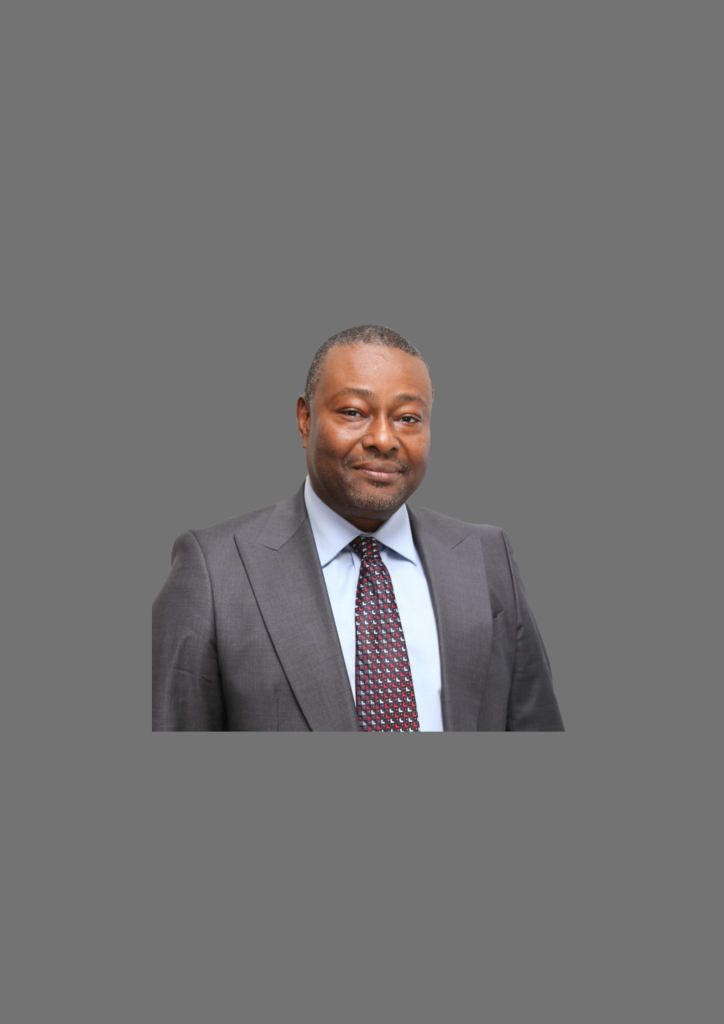
NHRC Chairman Emmanuel Daniel Joof said his institution has consistently advocated for diaspora voting and would continue engaging the IEC and other relevant authorities to ensure that Gambians abroad are given the opportunity to participate in national elections.
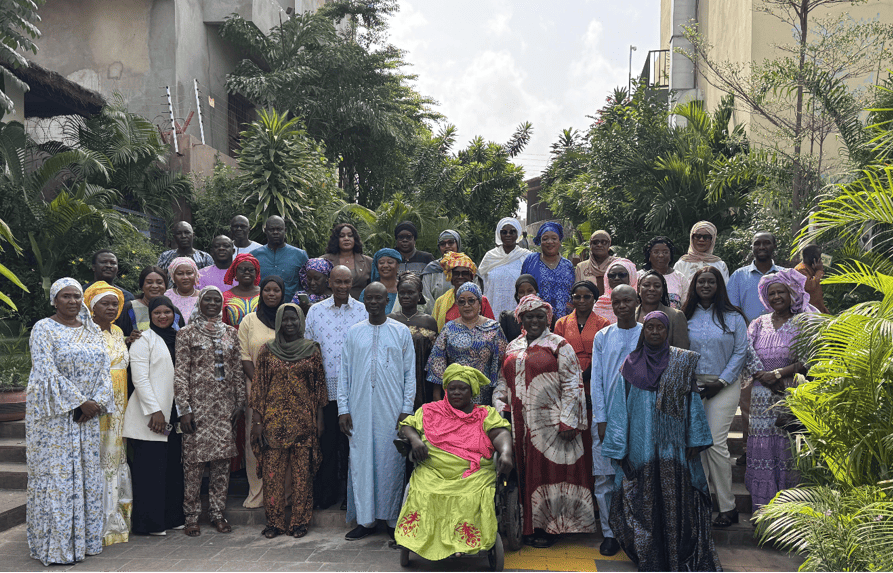
Speaking at a diaspora engagement forum held over the weekend at the OIC Conference Centre in Bijilo, Joof maintained that Gambians living outside the country have a constitutional right to vote and should not be denied the opportunity to exercise that right simply because of their geographical location.
He disclosed that the NHRC had previously engaged the IEC, the Ministry of Justice and other stakeholders on the matter, but expressed concern that the necessary arrangements had yet to be put in place.
Joof recalled that the Commission had hoped the matter would be resolved in time for the next presidential election, but acknowledged that the responsibility for organising elections rests with the IEC.
He said the NHRC would continue pushing the electoral body to establish the necessary mechanisms to facilitate voting for Gambians abroad.
Joof argued that excluding Gambians abroad from the electoral process was particularly concerning given their significant contribution to national development.
He stressed that diaspora contributions should not be measured solely through financial remittances, noting that many Gambians abroad possess professional expertise and skills that continue to support the country’s development.
The NHRC chairman’s remarks place renewed focus on the IEC’s responsibility to address the practical and institutional questions surrounding diaspora participation in elections, against the backdrop of the existing constitutional provisions and the unresolved legislative debate.
The engagement also provided an opportunity for Gambians abroad to raise concerns about their participation in national affairs and the broader reform process.
More than 40 diaspora participants joined the discussions virtually, alongside government representatives, civil society organisations, professionals and other stakeholders.
The forum forms part of a series of nationwide engagements supported by the European Union through the UNDP GREAT Project, aimed at strengthening dialogue between duty bearers and rights holders.