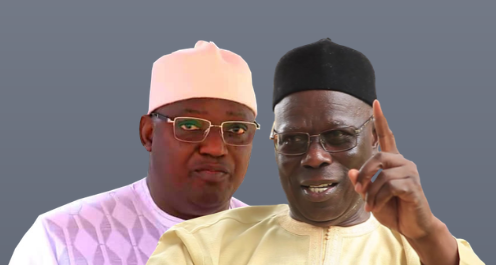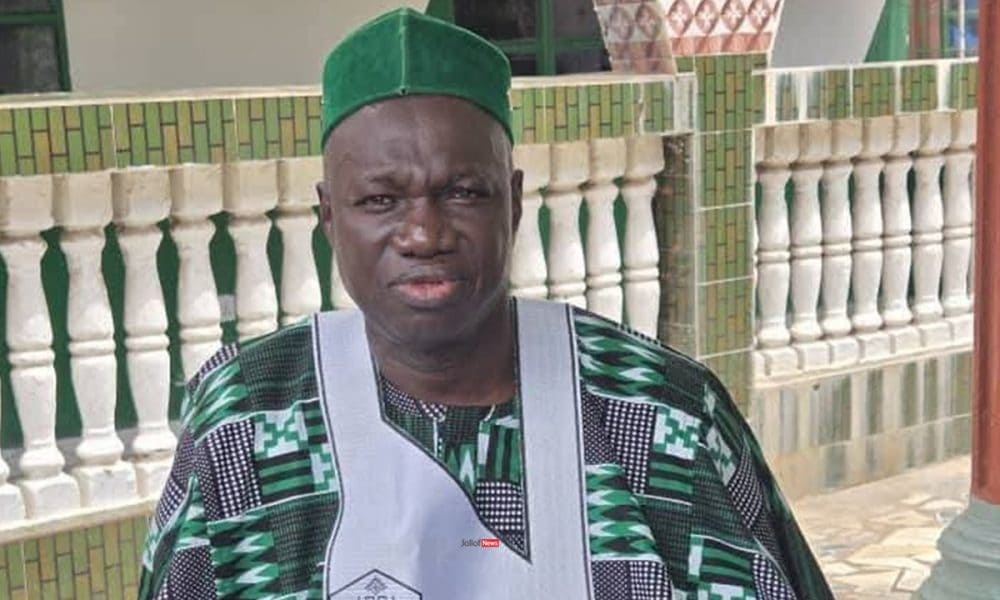
The Gambia is 10 years past a political transition that the world watched with hope. Exactly two months to date, we will go to the polls again — to select a president and to reaffirm the direction of our democracy. The ballot is a tool. It is not a weapon. Yet in the months leading to election day, we already hear the old drumbeats from politicians to imams: regionalism, toxic politics, bellicose rhetoric, and above all tribalism.
To be Mandinka, Wolof, Fula, Jola, Serahulé, Aku, Manjago, Bambara, or Lebanese is to carry history, language, food, and pride. That diversity is not our weakness. Tribalism begins when the pride in our cherished ethnic identity is converted into politics of exclusion: when a candidate says, “Vote for me because I am one of you,” and implies that the other candidate cannot represent you; when party agents count polling stations by ethnic majority instead of by registered voters; when WhatsApp voice notes circulate saying, “This constituency belongs to us!” That is not representation. That is reduction. It reduces a voter in Basse to a tribe, instead of a farmer who needs fertiliser. It reduces a youth in Tallinding to a surname, instead of a graduate who needs a job. The Gambia is too small and too connected for us to afford that kind of arithmetic.
We saw where that road leads between 1994 to 2017. Under the rule of Yahya Jammeh, the country was divided into “loyal” and “suspect” communities. Tribal discrimination took front and centre stage. The result was fear, exile, and a TRRC that is still helping us count the cost. We cannot romanticise that past, and we cannot repeat its language. Strong politics is about policy: how to lower the price of rice, how to keep the lights on in Bundung, how to get ambulances to rural health centres before the rainy season cuts the roads. Strong politics is about presenting a manifesto and defending it in a debate, not about threatening your opponent’s supporters or maligning his ethnic identity.