On 19th November 2026, the International Court of Justice delivered a judgment that few could have imagined when a small West African country first filed its application seven years earlier. By nine votes to six, the court found that Myanmar had committed genocide against the Rohingya in northern Rakhine State during the 2017 clearance operations, the first time in its history that the Court has held a state responsible for the crime itself rather than merely for a failure to prevent or punish it. The ruling, brought by The Gambia under the 1948 Genocide Convention, stands as a striking demonstration of African agency and of what determined leadership from a small state can achieve.
The case was the product of deliberate choice rather than chance. In 2018, Abubacarr Marie Tambadou, then Attorney General and Minister of Justice of The Gambia, visited the Rohingya refugee camps in Bangladesh as part of an Organisation of Islamic Cooperation delegation. What he heard and saw was familiar. As a former prosecutor at the International Criminal Tribunal for Rwanda (ICTR), he had spent years confronting the aftermath of genocide; the accounts of mass killing, rape, the burning of villages and the deliberate targeting of children carried the same unmistakable character.
Upon his return, he moved with precision. The Gambia, a party to the Genocide Convention since 1978, instituted proceedings in November 2019, asserting that the duty to prevent and punish genocide is an obligation owed by every state party to every other—an obligation erga omnes partes. No special injury or direct link was required. A country of roughly two and a half million people thereby placed a larger state before the principal judicial organ of the United Nations and secured provisional measures within months.
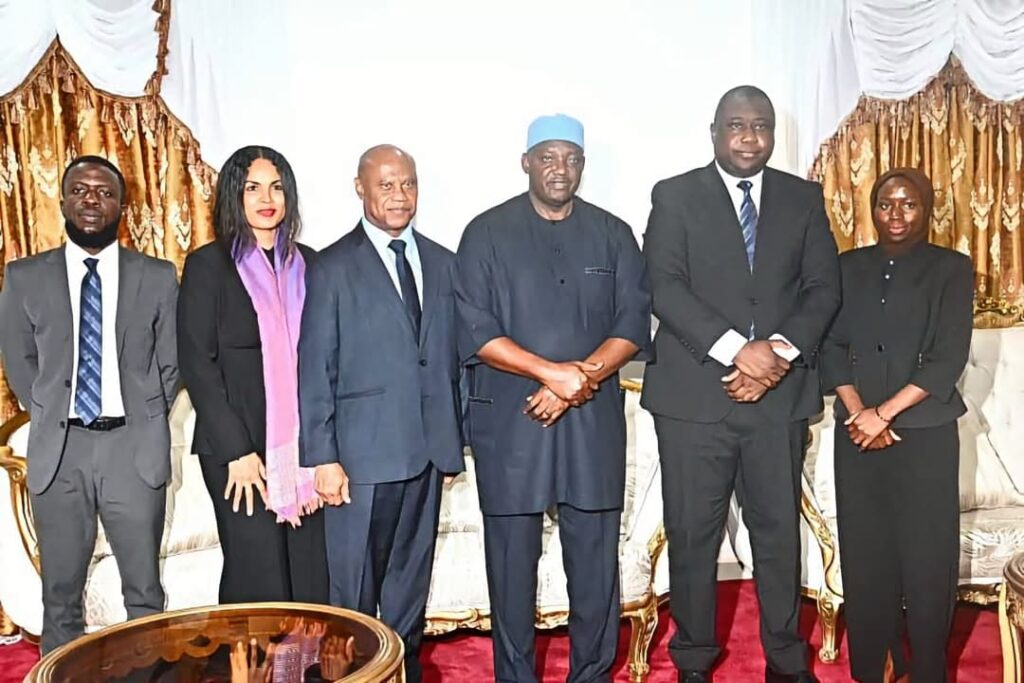
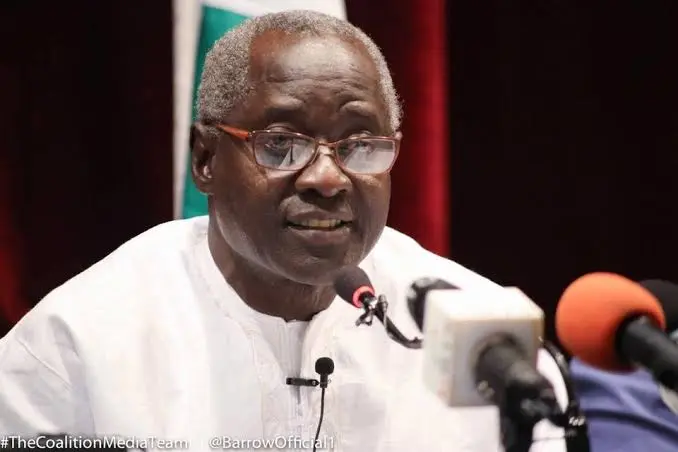
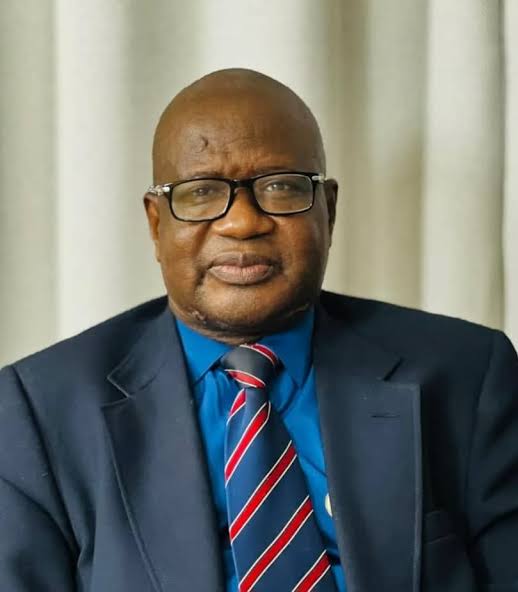
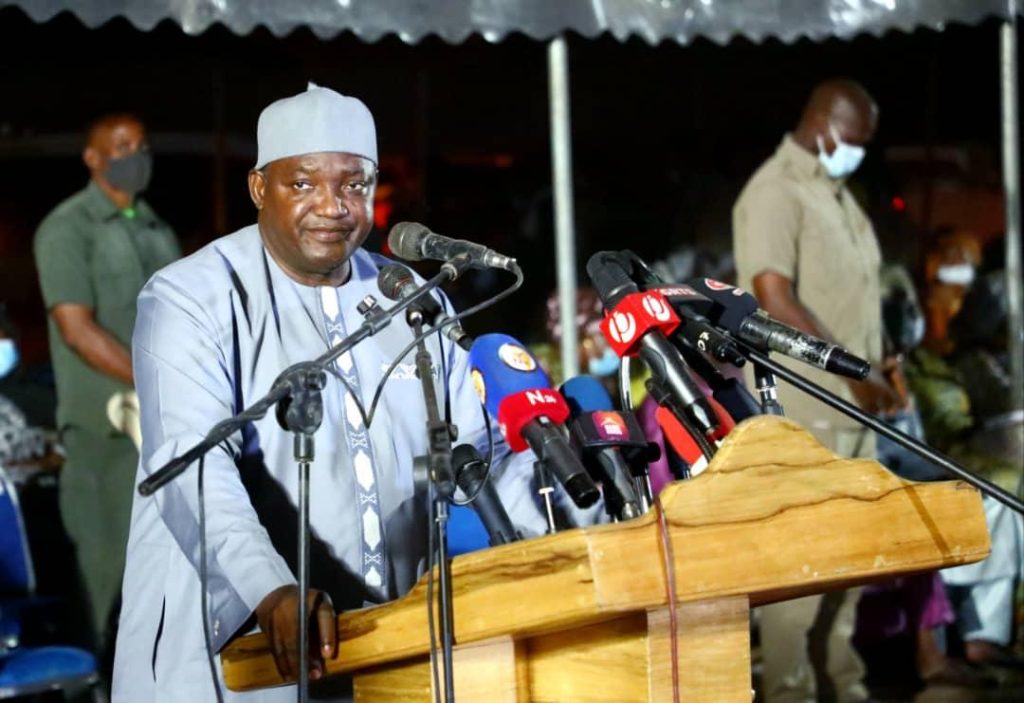
Tambadou’s personal role was decisive. He served as Agent in the early hearings, argued the existence of a dispute, and helped obtain the 2020 order that required Myanmar to prevent genocidal acts and preserve evidence. Recognition followed: he appeared on Time’s list of the 100 most influential people in 2020 and was nominated for the Nobel Peace Prize. The case continued under his successor, Dawda Jallow, and President Adama Barrow has publicly acknowledged the contribution of both men and the legal team. That continuity matters. It shows that the initiative was institutional as well as personal, rooted in a decision that the obligations of the Genocide Convention are real and enforceable by any state willing to act.
The judgment itself is careful and consequential. The court found that Myanmar’s forces killed members of the Rohingya group, caused serious bodily and mental harm (including widespread sexual violence), and imposed measures intended to prevent births. It applied the demanding “only reasonable inference” standard for genocidal intent and concluded that the totality of the evidence — scale, methods, targeting of civilians and children, attacks on those fleeing, and systematic destruction of villages — supported no other conclusion.
Alternative explanations of counter-insurgency, displacement or punishment were rejected. The Court ordered Myanmar to enact proper implementing legislation, investigate and prosecute suspects, provide guarantees of non-repetition, and take concrete measures of restitution, including the safe, voluntary, and dignified return of displaced Rohingya, family reunification, restoration of property, and protection from discrimination. Compensation will be determined later, after a report Myanmar must file within two years.
For West Africa, the significance is immediate. Sierra Leone knows from its own experience with the Special Court that accountability for the gravest crimes is possible, that even a former head of state can be brought to account, and that the message of no impunity can travel beyond national borders. The Gambia’s action extends that regional tradition from individual criminal responsibility to state responsibility under the Genocide Convention. It demonstrates that African states need not wait for external sponsors or remain spectators when mass atrocity occurs. The erga omnes partes principle, now firmly established in this case and already relied upon by South Africa in its proceedings against Israel, gives every party to the Convention a legal interest and a procedural pathway. Small states that choose to use it can shape the law and, at least in the courtroom, alter the balance of power.
None of this erases the familiar limits of international adjudication. The court has no enforcement arm of its own. Compliance will depend on Myanmar’s calculations, on political pressure, and on the Security Council, where vetoes have historically blocked action. Formal reporting on provisional measures did not transform conditions for the Rohingya on the ground. The nine to six division reminds us that the law remains contested. Yet those realities do not diminish the achievement. A legal finding of genocide by the world’s highest court carries stigma that is difficult to ignore, creates a permanent record, and supplies a foundation for further efforts in other forums, including the International Criminal Court and national courts exercising universal jurisdiction.
The judgment does not end the suffering of the Rohingya, nor does it guarantee that Myanmar will meet its obligations. What it does is place on record that a small West African state, guided by a lawyer who had already witnessed the cost of looking away, succeeded in compelling the International Court of Justice to name genocide and to order concrete remedies. For Sierra Leone, whose Special Court once showed that even the most powerful can be held to account, the lesson is clear – African states have both the legal standing and the capacity to enforce the gravest duties of international law when they choose to do so. The Gambia and Tambadou have shown that the choice is available.
By Abdul Tejan-Cole
A noted human rights lawyer and activist, Abdul Tejan-Cole has over 30 years of experience fomenting progressive development of human rights, anti-corruption, environmental and social justice, post-conflict reconstruction, transitional justice, and the rule of law.