The Gambia has validated and adopted its first National Dementia Plan 2027-2031, the first of its kind in the WHO African Region, marking a significant step towards strengthening prevention, early diagnosis, care and support for people living with dementia and their families. The milestone also offers an important example for other countries in the WHO African Region seeking to make dementia a public health priority.
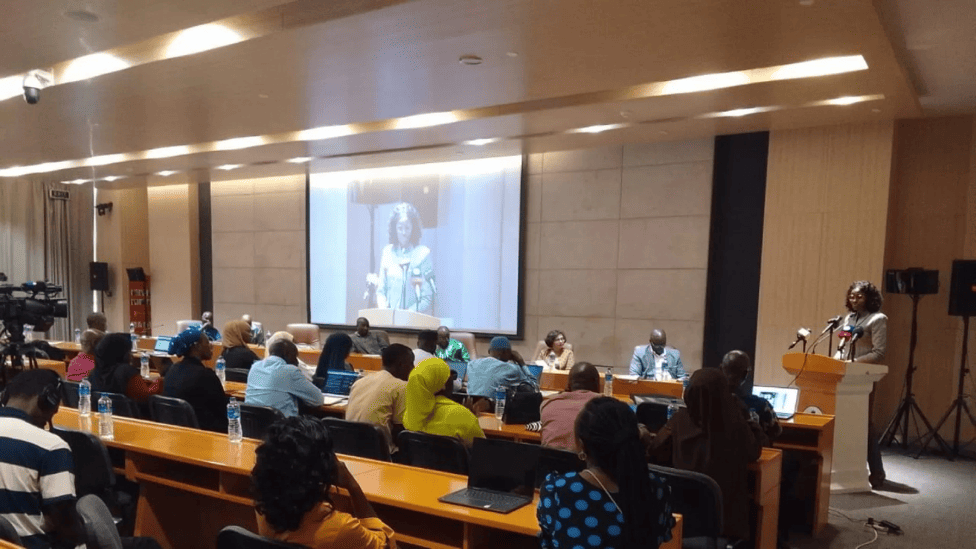
Led by the Ministry of Health’s National Mental Health Programme, the development of the plan received financial and technical support from the World Health Organisation (WHO) Country Office in The Gambia, WHO Regional Office for Africa and WHO headquarters. The plan was validated and adopted during a stakeholder workshop held from 28 to 29 September 2026, bringing together government representatives, health professionals, development partners, civil society, academia and other stakeholders.
Dementia is a growing public health challenge, affecting estimated 57 million people worldwide. In The Gambia, modelled estimates suggest that about 3,800 to 4,000 people are living with dementia, and this could rise to nearly 13,000 by 2050. As populations age, the burden is expected to increase, underscoring the need for stronger prevention, early diagnosis, care and support for affected individuals and their families.
Dementia affects memory, thinking and the ability to carry out everyday activities. Yet symptoms can be mistaken for normal ageing, delaying diagnosis and access to appropriate support. Stigma and misconceptions can further isolate people living with dementia and place additional pressure on their families and caregivers.
The new plan provides a national framework for addressing these challenges through public awareness, risk reduction, early detection, diagnosis, treatment, care and support. It also prioritizes strengthening the health workforce, improving health information and research, supporting caregivers, and establishing mechanisms for coordination, accountability and monitoring. It brings together the seven action areas of the WHO Global Action Plan within four national priorities.
For The Gambia, the plan creates an opportunity to move from fragmented responses towards a more coordinated approach that connects health services with mental health, noncommunicable disease, disability, social protection and healthy ageing initiatives. Its implementation will be important in ensuring that people living with dementia are recognized, treated with dignity and able to access appropriate care closer to their communities.
Across the WHO African Region, dementia remains an important but often under-recognized public health issue. Limited awareness, stigma, gaps in diagnosis and shortages of specialized services can make it difficult for individuals and families to obtain timely support. Care is also frequently provided by family members, often with limited access to information, training and psychosocial assistance.
By adopting a dedicated national plan, The Gambia is establishing a policy framework that can help bring dementia into national health planning and strengthen coordinated action across sectors. Its experience can contribute to wider regional efforts to raise awareness, improve service delivery and encourage countries to develop responses suited to their own health systems and communities. As the first plan of its kind in the African Region, it also gives other countries a practical example to learn from.
Mr Lamin Dampha, Permanent Secretary at the Ministry of Health, said the plan brings dementia into the Government’s wider mental health agenda, building on the Mental Health Policy 2025 to 2035, the Mental Health Investment Case and the Mental Health Bill awaiting passage into law. The Permanent Secretary called for a whole-of-government effort to deliver it. “A national plan, however well written, means nothing if it becomes another document that gathers dust on a shelf,” the Permanent Secretary said.
Speaking on behalf of the WHO Representative to The Gambia, Dr D’Almeida Selassi Amah underscored that the success of the plan would depend on translating its priorities into practical improvements for affected people and their families. “The true value of this document will not be measured by its adoption alone, but by its ability to improve the lives of people living with dementia and those who care for them,” he said.
“Dementia is already affecting families in The Gambia, yet many people remain undiagnosed or unsupported. This plan gives us a framework to strengthen awareness, improve early identification and bring care closer to communities, so that families do not have to face dementia alone,” said Jarra Marega, Programme Manager of the National Mental Health Programme and National Technical Lead for the development of The Gambia National Dementia Plan.
Implementation will require sustained government leadership, adequate resources, collaboration among sectors and continued engagement with communities. Health workers will need appropriate knowledge and skills to recognize dementia, support diagnosis and provide compassionate care. Public awareness efforts must also challenge stigma, while caregivers need access to reliable information, counselling and community support.
WHO remains committed to supporting The Gambia through technical assistance, policy guidance, capacity-building, advocacy and partnership development. The plan aligns with the WHO Global Action Plan on the Public Health Response to Dementia 2017 to 2031, which the World Health Assembly extended in 2025, and provides a foundation for translating global commitments into national action.
As The Gambia moves towards implementation through 2031, the measure of success will be whether the plan leads to earlier recognition, better access to care, stronger support for caregivers and greater dignity for people living with dementia. With sustained commitment from government, communities, WHO and partners, this milestone can help advance a more coordinated response in The Gambia while contributing to efforts to address dementia across Africa.
WHO