With about just 50 days to the December 5 presidential election, the Gambia Press Union (GPU) has put police and government on notice that journalists must be protected.
The demand was made at a high-level engagement that brought together 70 participants — 40 police officers and 30 journalists to agree on rules of engagement at rallies, polling stations and counting centres.
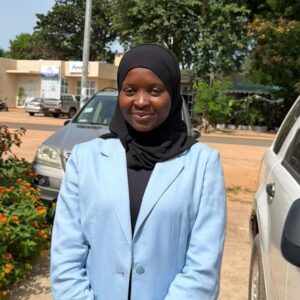
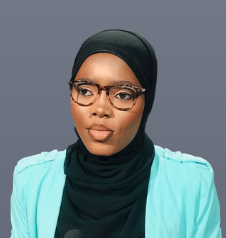
GPU President Isatou Keita said the dialogue must go back to 2021, when no journalist was arrested or detained before, during or immediately after polls. “Only one physical assault on a photojournalist by a party militant was recorded then,” she said.
Keita warned journalists still face verbal and physical abuse from party supporters, political leaders and even security personnel. “Many lack field safety training and past attacks remain unresolved with no accountability.”
She disclosed that the GPU, with IFEX, is running a 12-month safety project and since January, over 30 journalists have been trained in physical and digital safety, with engagements held with parties, police, army and prosecutors.
She said the police must respect journalists’ rights and stop intimidation, harassment, arrest or obstruction.
“The measure of success of this election should not only be in the absence of violence against journalists. It should be an environment where journalists can report freely and question those in authority without fear,” Keita said.
Police Commissioner Famara Jobateh reaffirmed the Gambia Police Force’s commitment to protecting journalists. He said journalists play a critical role and must work without intimidation or unnecessary interference.
“Restrictions, if any, must be lawful, necessary and clearly communicated. Officers must be impartial and professional.”
He admitted election tensions expose journalists to attacks, verbal abuse and online threats, but also urged accuracy and ethics from the media.
Information Minister Dr Ismaila Ceesay backed the push, describing police and media as complementary — police protect democracy and journalist promote it, but accuracy matters as well,” Ceesay said, urging verification, fact-checking images, and prompt corrections, while urging public institutions to release information transparently.
All parties agreed that protecting journalists is protecting citizens’ right to accurate information.
He cited The Gambia’s rise to 46th globally in the 2026 World Press Freedom Index from 58th, and 8th in Africa, linked to the Access to Information Act and media expansion.
But he warned against complacency and against misinformation.