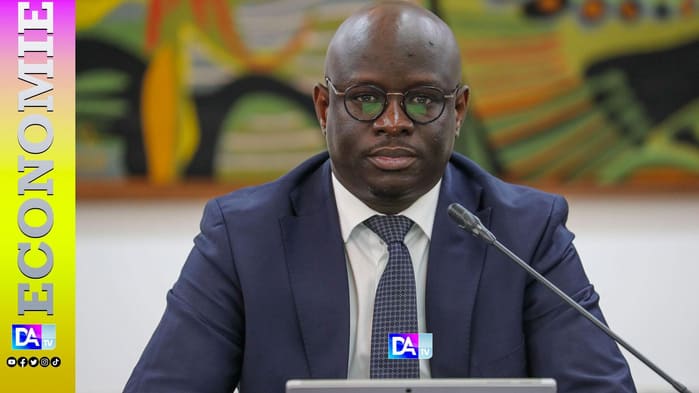
The commissioner general of the Gambia Revenue Authority (GRA) has declared the Post-Clearance Audit (PCA) central to facilitating trade and safeguarding government revenue with the recovery of D27 million in 2025.
Addressing the authority’s second phase of the Advanced PCA Workshop in Banjul on Monday, CG Yankuba Darboe said in 2023, PCA recovered approximately D15 million while in 2025 that number increased to approximately D27 million.
“This represents a significant improvement in the unit’s contribution to domestic revenue mobilisation,” he pointed out.
Beyond recovery, he added, the unit has strengthened audit procedures, improved risk-based audit selection and promoted better cooperation with traders. It recorded a significant improvement in compliance among importers between 2024 and 2025.
He said the unit is now fully operational and has audited over 60 major importers from 2023 to date.
The five-day workshop, from 9th to 13th November 2026 at the Senegambia Hotel, is organised under the World Customs Organisation (WCO) Accelerate Trade Facilitation Programme. It focuses on developing the PCA Regulations and Manual.
The facilitators of the training include WCO Accelerate Trade Facilitation Programme Manager, David Tanenbaum; Trade Facilitation Technical Expert; Ms Enkhjargal Gankhuyag; and Assistant Commissioner of Zambia Revenue Authority Dr Sibupiwa Mwangelwa.
The second phase follows the gap analysis undertaken by WCO experts with GRA staff, through on-site engagements and weekly online sessions involving the PCA and legal teams.
“The principal objective is to review, amend and upgrade the existing PCA Regulations and Manual to ensure that they adequately address the operational requirements of the Unit and align with relevant international standards and best practices,” CG Darboe said.
He acknowledged support from the African Development Bank, the International Monetary Fund and the WCO, and noted that in 2024, one officer attained WCO Fellowship recognition.
“We must ensure that the resulting regulations and manual are not merely documents on paper but practical instruments that will guide our daily operations, promote consistency, strengthen accountability and improve performance,” he concluded.