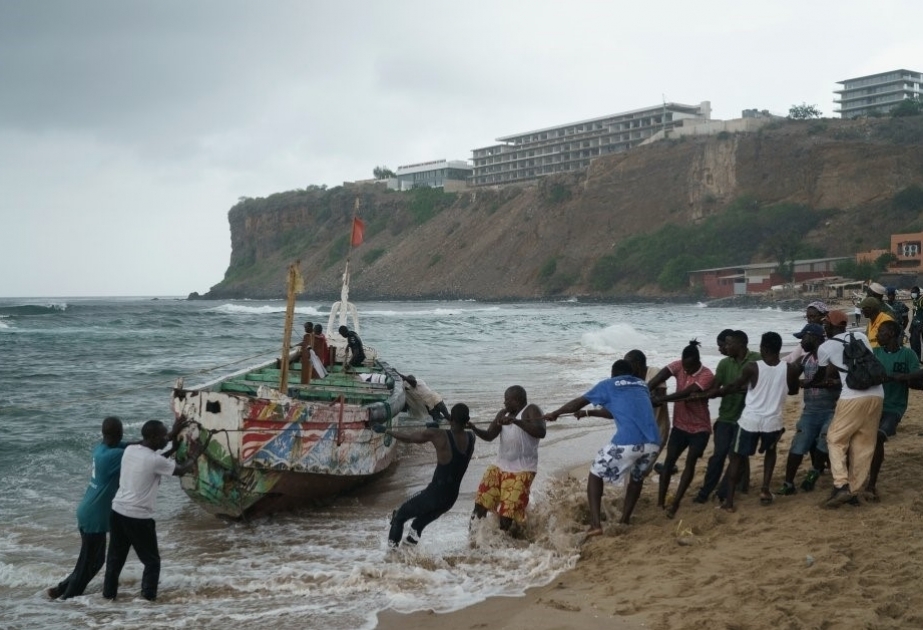
Senegalese authorities have reported the rescue of around a thousand migrants travelling on several vessels intercepted in recent days off its coastline, in a context of increased departures along the so-called Atlantic route, whose main destination is the Canary Islands.
In a statement circulated on social media, the Senegalese Navy has specified that since 19th November, 1,007 people have been rescued, who “have been transferred safe and sound to land” and “made available to the competent authorities”.
The text details that between 20th and 21st November, seven vessels with about 950 occupants were located, to which is added the rescue of more than 60 migrants between 19th and 21st November in coastal areas in the north of the country.
In another statement published on social media as well, the Senegalese Gendarmerie has indicated that 101 migrants, including two minors, were intercepted in one of these operations off the coasts of Mar Loth. In addition, it has said that the agents seized more than a hundred fuel barrels.
Senegalese authorities had already said the previous week that more than 1,400 migrants were assisted in the days prior off their coasts. In that same period, four people lost their lives and several dozens were reported missing after the wreck of a vessel in Yenne, south of the capital, Dakar.
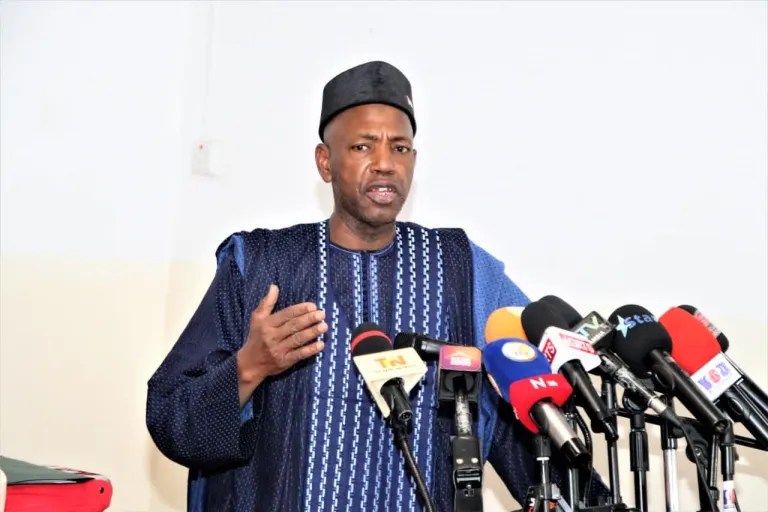
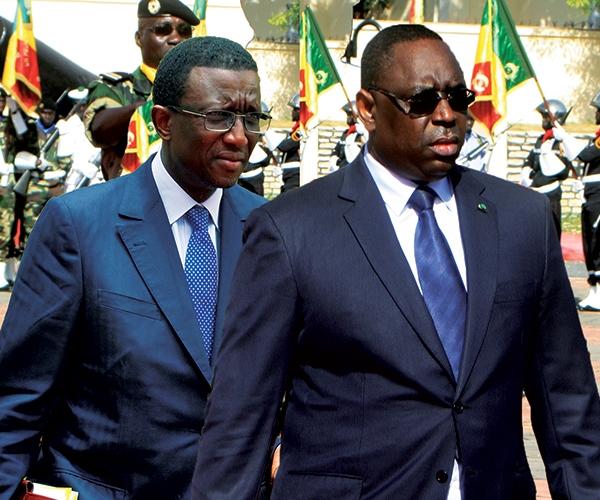
Against this backdrop, the president of Senegal, Bassirou Diomaye Faye, has asked the Ministry of the Interior to prepare a “detailed” report on the causes and social problems that are fuelling the increase in migration flows toward Europe, with the country as one of the main departure points in West Africa.
According to the International Organisation for Migration (IOM), since 2014, about 7,000 people have died or disappeared on this route, a figure surpassed only by that of the Sahara desert, where nearly 7,200 deaths and disappearances have been documented.
The organisation has recently pointed to a reduction in migrant arrivals from West Africa to Europe, with the Canary Islands as the main gateway. However, it has warned that the strengthening of controls in Morocco, Mauritania and Senegal has shifted the departure points further south, which increases the risk and dangerousness of these crossings.
Demócrata Newspaper, Spain