


By Sirrah Touray
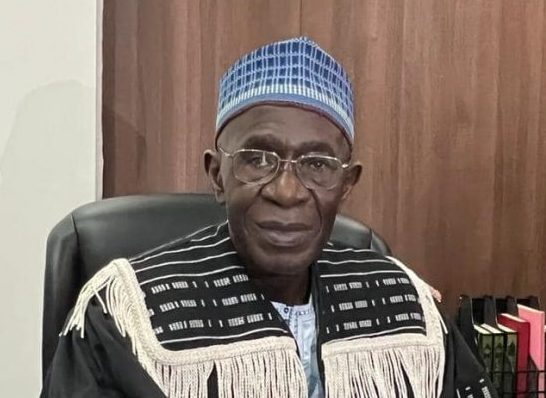
The Speaker of the National Assembly has defended the decision to combine the Third and Fourth Ordinary Sessions of the 2026 Legislative Year, stating that the length of parliamentary sittings is determined by the volume of work and not by the number of calendar days.
Speaking at a press briefing in Banjul yesterday, Speaker Fabakary Tombong Jatta said the scheduling of parliamentary business is a constitutional prerogative of the legislature and must take into account the realities of an election year. “Politics is the order of the day. We are here because of that politics. We came into office because of that politics. But the prerogative of arranging our sessions is determined by parliament,” the Speaker said.
The combined session will run from 7th September to 29th October, 2026.Officials explained that the decision to merge the two sessions was made deliberately following concerns raised by the media during an earlier briefing on how the campaign period could disrupt parliamentary business. “We resolved to combine the two sessions so that the campaign will not affect the business of parliament” a senior parliamentary official said.
It was confirmed that no parliamentary function will be affected. The Budget Session will run from 25th September to 27th October, allocating a full month to the consideration of the national budget.
“All processes involved in the budget are fully captured. Nothing is missed as far as the budget session is concerned. One month is allocated to the budget session entirely,” the official added.
The speaker pushed back against suggestions that a shorter sitting period meant parliament was not making efficient use of taxpayers’ resources. “It is not the number of days you sit, but the quality, the programmes you resolve, the legislations you pass, and the oversight you perform that is important,” he said.
He noted that a significant portion of parliamentary oversight is carried out by committees outside of plenary sittings, including activities conducted both locally and abroad. “Committees work outside sessions. So you observe that even outside sessions, there are a lot of parliamentary work going on,” he said.
The speaker also addressed issues of attendance during the campaign period, noting that while the law provides flexibility for members, management must ensure that the required quorum is met for business to proceed.
In conclusion, the speaker reaffirmed parliament’s commitment to its core constitutional mandates. “Parliament is aware that we are paid from taxpayers’ money. Parliament is aware of its responsibilities of representation, oversight, and legislation. And parliament is committed to ensuring that, to the best of our abilities, we accomplish all these things,” he said.