

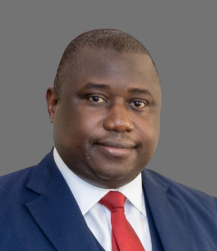

By Omar Bah
Justice Minister Dawda Jallow has informed a meeting on the sidelines of the Organisation of Islamic Cooperation Conference in Jeddah that the International Court of Justice (ICJ) may deliver its long-awaited judgement in the Rohingya genocide case against Myanmar in October.
During the meeting, Minister Jallow discussed the Rohingya crisis and progress in the case filed by The Gambia against Myanmar at the International Court of Justice. He expressed optimism that the long legal battle may finally come to an end next month.
The ICJ, the UN’s principal judicial organ based in The Hague, began hearings on the merits of the case in January 2026. The hearings were held from 12 to 29 January, with both sides presenting their arguments.
Gambia filed the case in November 2019, accusing Myanmar of violating the 1948 Genocide Convention through its treatment of the Rohingya.
In July 2022, the ICJ rejected Myanmar’s preliminary objections and ruled that it had jurisdiction to hear the case.
The case stems from Myanmar’s military crackdown in 2017, which forced around 750,000 Rohingya to flee to Bangladesh. Gambia alleges that Myanmar security forces committed genocidal acts, including killings, sexual violence and the destruction of villages.
During the hearings, Rohingya survivors also gave accounts of alleged killings, rape and arson.
Eleven countries, including Canada, the UK and France, have formally supported or participated in Gambia’s legal efforts. Myanmar’s junta-backed representatives have rejected the allegations, describing the military operations as an internal counterterrorism campaign.
The ICJ’s judgement would determine Myanmar’s responsibility under the Genocide Convention and could have significant legal implications for the Rohingya crisis.