

By Abdoulie Mam Njie
Human history is often described as a struggle between good and evil, justice and injustice, truth and falsehood. Yet the Qur’an reminds us that the most important arena of this struggle is not in distant battlefields or political contests. It lies within the human heart.
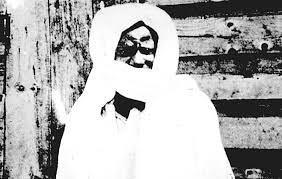
Yesterday, 18 Safar 1448 AH (2nd August 2026), Muslims across Senegal, The Gambia, and many parts of the world commemorate the Grand Magal of Touba, one of the most significant events in the Mouride tradition. Magal is a day of gratitude to Allah commemorating the exile of Cheikh Ahmadou Bamba Mbacké by the French colonial authorities in 1895 and celebrating his unwavering faith, patience, perseverance, and complete trust in Allah during that profound trial. While rooted in the history of the Mouride community, the values it embodies speak to all believers and resonate with the universal Qur’anic call to sincerity, moral discipline, and steadfastness in the face of temptation.
In Surah Al-Hijr, the Qur’an recounts the story of the creation of Adam and the defiance of Iblis. When commanded to bow in acknowledgment of the new creation, the angels obeyed. Iblis refused. His refusal was not born of ignorance but of pride. He believed that being created from fire made him superior to Adam, who was created from clay.
This account is far more than the story of humanity’s beginning. It reveals a timeless truth about the human condition. Pride clouds judgment. Once arrogance takes root, even the clearest truth can be rejected.
After his refusal, Iblis asked Allah to grant him respite until the Day of Judgment. His request was granted. He then declared his intention to mislead humanity by making wrongdoing appear attractive. The Qur’an makes clear that Satan does not force human beings into sin. Rather, he beautifies falsehood, whispers temptation, and makes evil seem reasonable and appealing.
This distinction is fundamental. Temptation exists, but responsibility remains. Satan may invite, persuade, and deceive, but he cannot compel. The final choice always belongs to the human being.
This insight speaks with remarkable relevance to our own age.
Today, temptation often comes in subtle and sophisticated forms. Wrongdoing is frequently presented as success. Greed is disguised as ambition. Injustice is rationalised as necessity. Falsehood spreads with extraordinary speed, amplified by technology and repeated until it appears credible.
The Qur’anic narrative reminds us that temptation rarely announces itself as evil. More often, it appears attractive, persuasive, and even virtuous. Small moral compromises, if left unchecked, gradually reshape one’s conscience and alter one’s sense of right and wrong.
We witness this in many aspects of contemporary life. Public trust is weakened when authority is exercised for personal advantage rather than public service. Communities become divided when truth yields to convenience. Institutions lose credibility when responsibility is avoided and mistakes are defended instead of acknowledged and corrected.
These are not new patterns. They reflect the same moral struggle described in the Qur’anic account. The arrogance that led Iblis to elevate himself above Adam continues to manifest wherever pride overcomes humility and self-interest prevails over principle.
Yet Surah Al-Hijr also offers profound reassurance. Allah declares that Satan has no authority over those who remain sincere in faith and mindful of their duty to Him. Temptation may surround us, but it does not determine our destiny.
True strength lies in recognising temptation for what it is and resisting its attraction. Such strength requires humility, self-reflection, discipline, and the courage to remain faithful to what is right, even when doing so carries a personal cost.
The contrast between Adam and Iblis illustrates this lesson with exceptional clarity. Adam erred, acknowledged his mistake, sought forgiveness, and was forgiven. Iblis refused to admit his error, persisted in arrogance, and sealed his own downfall. The decisive difference between them was not that one made a mistake and the other did not. It was that one embraced humility while the other clung to pride.
This remains one of the Qur’an’s most enduring ethical lessons for individuals and societies alike. Human beings will inevitably make mistakes. What ultimately matters is the willingness to acknowledge them, learn from them, seek forgiveness where necessary, and return to the path of justice and righteousness.
As we reflect on the challenges of our own time, the message of Surah Al-Hijr remains as relevant today as it was when first revealed. The struggle between guidance and temptation is not an abstract theological concept. It unfolds daily in the countless decisions made quietly in our homes, workplaces, institutions, and communities.
The future of every society is shaped by these choices. When humility, honesty, justice, and accountability guide human conduct, trust deepens and communities flourish. When pride, deception, and self-interest prevail, institutions weaken and social harmony begins to erode.
The Qur’an’s lesson is therefore both timeless and practical. The greatest battle is not merely against the wrongdoing we see around us but against the impulses within ourselves that make wrongdoing appear acceptable.
As Muslims commemorate the Grand Magal today, this message acquires renewed significance. Magal reminds us that genuine victory is not measured by wealth, power, or status, but by steadfast faith, perseverance in adversity, humility before Allah, and unwavering commitment to what is right. The spiritual legacy of Cheikh Ahmadou Bamba reminds believers that moral resilience is often the highest form of triumph.
That is the continuing human struggle. It is fought not only in moments of great public consequence but also in the quiet choices each of us makes every day. Through those choices, character is formed, institutions are strengthened, communities are uplifted, and true success, in this life and the next, is ultimately attained.