


By Olimatou Coker
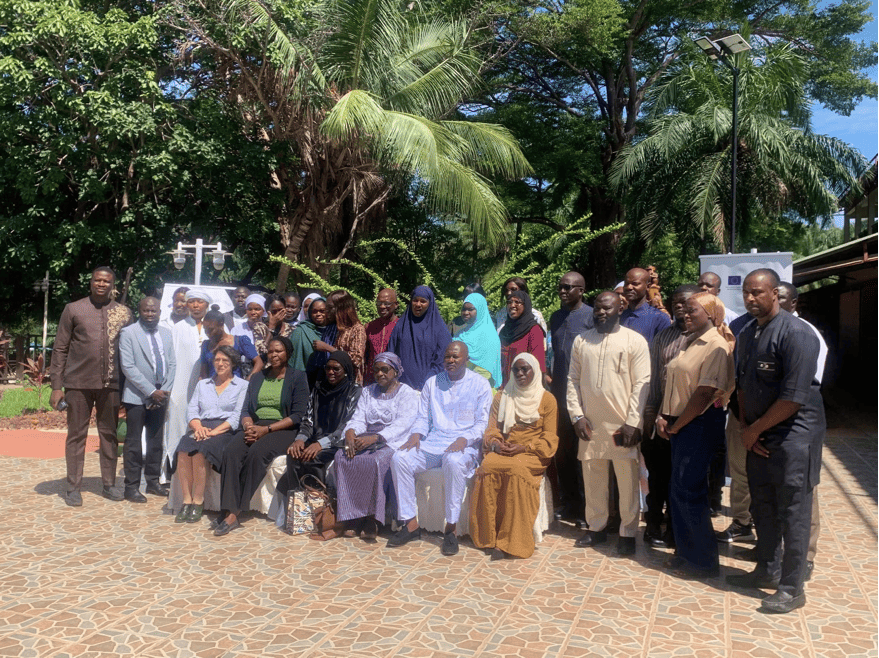
The International Trade Centre (ITC), in collaboration with the Ministry of Tourism, Arts and Culture, the Ministry of Trade, Industry, Regional Integration and Employment and other stakeholders, Monday validated Green Public Procurement (GPP) guidelines for The Gambia’s tourism and creative industries.
The workshop was held at Senegambia Beach Hotel and followed consultations conducted in 2024 and 2025 under the European Union Youth Empowerment Project – Tourism and Creative Industries (TCI).
The initiative seeks to improve the business environment and strengthen the institutional ecosystem supporting tourism and creative industries.
Officials said the guidelines will use Green Public Procurement to direct public spending towards environmentally preferable goods, services and infrastructure that drive environmental and socio-economic development.
Given limited application of GPP and capacity gaps, stakeholders recommended in September 2025, after consultations with MoTAC, that sector-specific guidelines be developed as a pilot for tourism and creative industries.
The guidelines provide practical approaches for integrating green procurement into procurement processes. They outline best-practice measures for procurement officers in public and private sectors, while helping MSMEs understand national priorities on GPP.
ITC Entrepreneurship and Business Development Consultant Suwaibou Cham said ITC has over the years supported policy reforms in The Gambia through the EU project, particularly reforms making public procurement more accessible to MSMEs.
“Recently, we did gender-responsive public procurement, and we are gathered here today for green public procurement. We also support product development through the Andandor programme, where MSMEs are equipped to take advantage of market opportunities,” Cham said.
He said government is the biggest buyer, making it critical to prepare MSMEs to compete effectively and deliver value for money, while incorporating climate considerations into procurement.
“Climate change is already affecting communities and businesses,” he stressed.
Deputy Permanent Secretary for Projects and Programmes at the Ministry of Finance, Juldeh Ceesay, said the workshop focuses on areas significant to economic transformation.
“Government continues to pursue reforms aimed at strengthening economic resilience, promoting inclusive growth, improving public procurement efficiency and creating opportunities for Gambians, particularly young people,” Ceesay said.
She said government recognizes the need to strengthen the link between tourism and creative industries and move beyond viewing creative activities solely as cultural expression to recognizing their potential to generate employment, entrepreneurship and sustainable livelihoods.
Deputy Permanent Secretary at MoTAC, Isatou Drammeh, said government is considering national guidelines to support GPP in tourism and creative industries.
“The guidelines resulted from a regulatory assessment of the legal and institutional framework, consultations with relevant ministries and public-private dialogue,” Drammeh said.
She urged stakeholders to treat the guidelines as a practical working tool once validated, and to apply them in tenders, project planning, specifications, evaluation and contract management.
The workshop gave stakeholders opportunity to review the proposed guidelines, make recommendations and contribute to finalisation.