TSBy The Standard Newspaper9 June 2026 2 min read9 June 2026 2 min read
MoHERST, stakeholders validate amendments to Tertiary and Higher Education Act
By Olimatou Coker
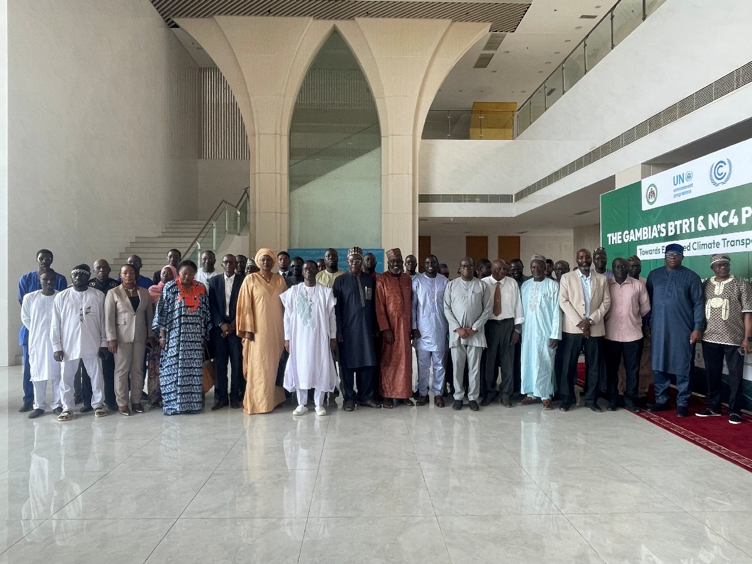
The Ministry of Higher Education, Research, Science and Technology (MoHERST) on Wednesday led a validation workshop with sector stakeholders to finalise proposed amendments to the Tertiary and Higher Education Act (2016). The session at the Sir Dawda Kairaba Jawara International Conference Centre in Bijilo brought together university leaders, regulators, policymakers and development partners to agree changes that will strengthen governance, quality and responsiveness across the tertiary sector.
Underlining the reform’s purpose, Minister Prof Pierre Gomez said the amendments will reposition Gambian universities and tertiary institutions to meet national and global demands. “These changes are not administrative tweaks,” he said. “They are measures to ensure our public and private institutions are competitive, inclusive and responsive to the needs of youth, the economy and society.”
Prof Gomez reiterated MoHERST’s commitment to evidence-based policy, good governance, gender-responsive education, stronger technical and vocational pathways, academic excellence and mobilising resources to sustain reform.
Permanent Secretary Isatou Auber said the review is timely after nearly a decade under the 2016 Act. She stressed the need to align the legislation with the National Accreditation and Quality Assurance Authority (NAQAA) Act 2021 to strengthen accountability and institutional governance. “As the sector expands and new governance and technological demands emerge, updating the Act is essential,” she said, urging participants to contribute constructively to a robust legal framework.
NAQAA CEO Dr Momodou Lamin Tarro said the review targeted problematic clauses that impede registration processes and service delivery. He explained the draft amendments focus on institutional governance, regulatory effectiveness, accountability, transparency, innovation in programme delivery and quality assurance mechanisms.
“We prioritised ensuring the revised Act reflects contemporary academic standards and decision-making integrity,” he said.
Participants reviewed and validated the proposed amendments, which MoHERST says will align The Gambia’s higher education framework with national development objectives and international best practice. The validated changes will proceed to the next legislative stages for formal adoption.
Enjoyed this story?
Applaud it for the newsroom — one clap per reader, per story.