By Sanna Camara
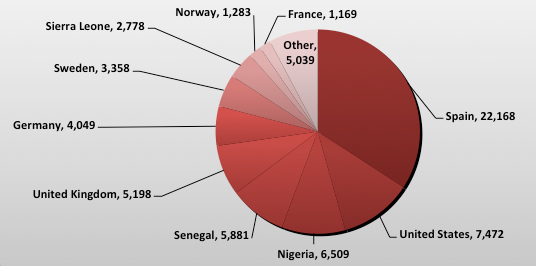
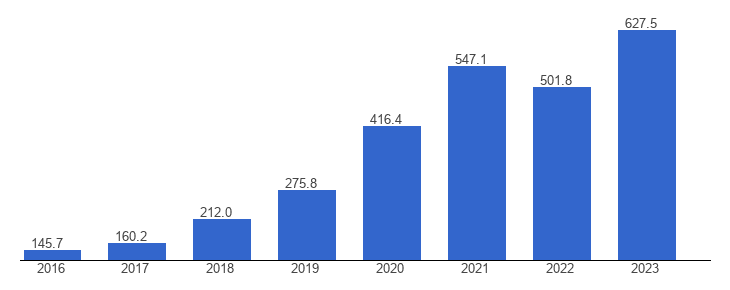
The International Organisation for Migration (IOM) agrees that migration plays a significant role in Gambian society. Over 150,000 Gambians are living abroad. The Central Bank of The Gambia sets remittance figures for 2024 at US$775.6 million. The Ministry of Foreign Affairs identifies them as the eighth region of The Gambia. Yet they do not enjoy political franchise to vote in elections, or be represented in the country’s legislature. This matter worries civil society advocates empanelled at the national forum held last week in Banjul.
Even more so, Dr Ismail Badjie a pharmacist and who lived abroad, took the matter deep when he argues that diaspora contribution must go beyond political to economic liberation of the country. The host of the event, Women in Liberation and Leadership (WILL) themed it on transitional justice (TJ), and raising the flag high on the importance of Diaspora contribution to this important political process of The Gambia.
Yes, these are not new anecdotes for the Gambian diaspora. Since the era of Yahya Jammeh, diaspora votes and remittances have been key to national discourses. Promises were made to leverage its potential for development; give them a voice through representation and franchise. In 2017, a deliberate policy of the transition government led to the establishment of the Diaspora Directorate at the Ministry of Foreign Affairs.
“They did a lot to support families back in The Gambia,” said Fatou Baldeh, WILL executive director at her presentation before the panel discussion. “Many Gambian families are dependent on them for living. They pay for education and health of many dependents, providing. They played a major role to free The Gambia from dictatorship. We must not forget them,” she said.
Many in the diaspora left The Gambia because of the dictatorship. Many lost properties, or suffered violence against family members. “Hence,” said Mr Imran Darboe, a transitional justice specialist who worked with the TRRC, “their grievances should also have been redressed in the TJ process, and they should have a right to determine who power is given to run the country. Diaspora deserves to be extended a full franchise and representation in the political process.”
The Gambia’s TRRC is today considered a model for transitional justice by many, simply because it drew inspiration from the discussions in the formulation of the African Transitional Justice (ATJ). Mr Darboe revealed that the diaspora also contributed almost D1 million to reparations fund during the TRRC trip to Europeans America.
A closer look at many conflicts in Africa reveals a lack of equal access to power or resources as a key reason for such, and thus the African Union Transitional Justice Policy advocates for inclusivity, national and local ownership. Any national and local ownership cannot therefore exclude the Diaspora. This is another reason why The Gambia should take a serious consideration on the contributions of the diaspora in the TJ Process.
Public and the diaspora Franchise
A letter writer to The Standard in June 2017 said The Gambia’s 1997 Constitution did not make any distinction between Gambians in the diaspora and those living in The Gambia. That it is the former APRC regime, under the leadership of Yahya Jammeh, which deprived Gambians living in the diaspora from voting which is against their constitutional right.
“In this regard, there’s no need to guarantee their franchise as there is no room for discrimination as far as the constitution is concerned. Section 33 of the 1997 Constitution is clear about equality before the law. No Gambian shall be discriminated directly or indirectly for demanding equal right and justice,” Kebba Drammeh of Brikama wrote in his letter.
In an opinion piece in the same paper in 2020 March, titled, Will Gambians in the diaspora exercise their franchise in 2021?, the issue came up in less than one-year-and –a-half to presidential election campaigns: For many years, questions have been asked about the rights of Gambians in the diaspora to have the ability to exercise their franchise and vote in elections of the Gambia regardless of where they may be.
The paper added: Most countries in the world have now made arrangements to ensure that when it is time for elections all their citizens are allowed to vote, wherever they might be. Gambians in the diaspora have also been agitating for this for some time now.
In the article Political Legal Disenfranchisement: Gambian Diaspora Vote published on the website of his NGO Gambia Participates website, Marr Nyang cited the April 2021 Supreme Court ruling that directed the Independent Electoral Commission (IEC) to comply with Section 39 of the 1997 Constitution in registering eligible Gambians in the diaspora to vote in public elections.
In compliance with this order, the IEC in its electoral reform process through the Elections Bill, 2021, Clause 14, provided for the registration and voting of Gambians in the diaspora in public elections. In addition to this clause, the bill proposes powers for the IEC to draw rules and regulations, in consultation with the Inter-party Committee (IPC) and the executive, in setting the criteria for selection of countries where Gambians in the diaspora can vote during public elections and the appointment of election officials to conduct elections in these selected countries. Yet the parliament pulled the plug on it and voted against diaspora franchise.