By Sanna Camara
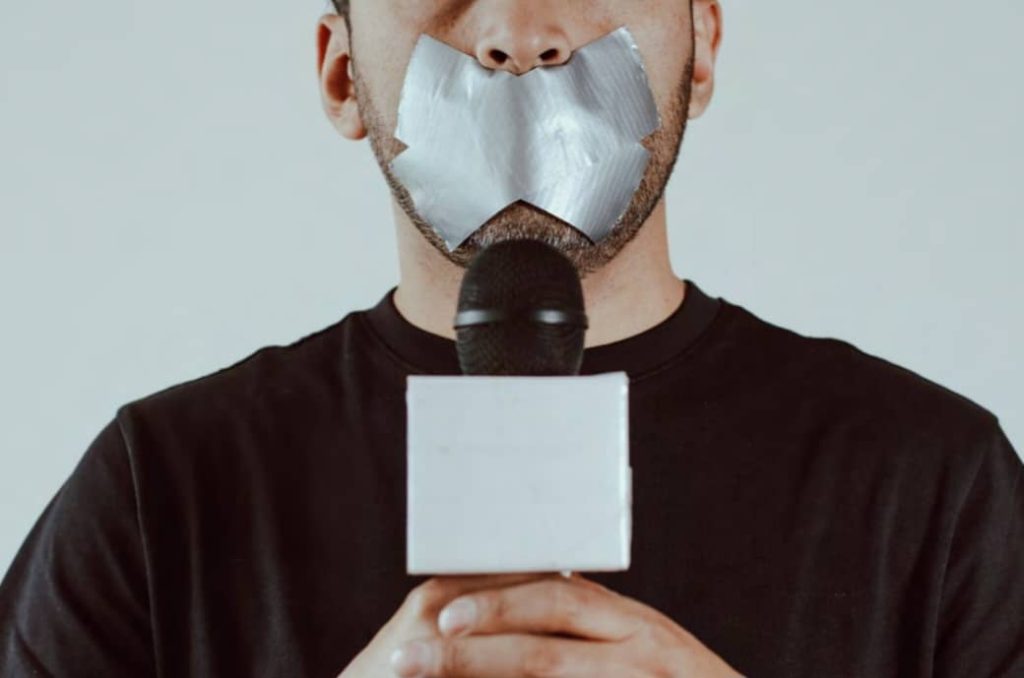
Amid escalating attacks on free speech and the erosion of civic space, the Commonwealth is facing renewed and urgent calls to exert weight on its member states to act decisively in safeguarding the freedom of expression and media freedom, in line with its founding principles. It is further urged to take concrete and meaningful steps to implement [the Media Principles] within their domestic frameworks, as affirmed at its Heads of Government meeting held in Samoa, in October 2024.
At the 2024 Commonwealth Heads of Government Meeting (CHOGM), leaders adopted the Commonwealth Principles on Freedom of Expression and the Role of the Media in Good Governance (the Media Principles). Rooted in the Commonwealth Charter and grounded in international law, these principles reaffirm member states’ commitment to democracy, the rule of law, and human rights. Crucially, they provide a practical and actionable framework for aligning domestic legal systems with international standards on the protection of freedom of expression and the safety of journalists, including ending impunity for attacks against them.
In its latest report released a week ago, a group of public-spirited individuals and organisations, spearheaded by the Commonwealth Journalists Association (CJA), decided to put together a set of principles which has the potential to “strengthen and align the Commonwealth’s commitment to free speech and media freedoms with the standards in international human rights law” and which also aimed to remind Member States of the obligations enshrined in Article 5 of the Commonwealth Charter. They strongly argue that adopting principles alone is not enough. Accordingly, they maintained that the Commonwealth’s credibility now depends on effective implementation of the adopted principles as a political bloc.
The report, titled, “Who Controls The Narrative? Legal Restrictions On Freedom Of Expression In The Commonwealth”, said it is imperative for member states to create a safe and enabling environment for the exercise of free expression – both online and offline – and the role of civil society in holding governments accountable.
“Commonwealth governments must take urgent actions to reform laws that unduly restrict expression, enact protections against violence and harassment, and strengthen oversight and judicial accountability mechanisms,” stated the report in its way Forward.
Articles 2, 7 and 8 of the Media Principles make this clear: laws that criminalise speech must be repealed or amended; State authorities must prevent, investigate and prosecute attacks on journalists; and effective redress mechanisms must be in place. The Media Principles recognise the importance of international cooperation – civil society, national human rights institutions, and regional and international bodies all have a role to play in supporting and monitoring these reforms.
“Accountability mechanisms too are key. The Commonwealth Ministerial Action Group (CMAG), mandated to address serious violations of Commonwealth values, can be revitalised to fulfill its role more proactively, including by responding to systemic constraints on civil society and the media,” the report observed, while highlighting, similarly, that the Commonwealth Secretariat be resourced and empowered to assist Member States in translating commitments into action, including through legal reform and institutional strengthening.
Crucially, the above principles were seen as an important and necessary step to “align the national laws of Commonwealth Members States that may be misused to restrict freedom of expression, and the implementation of such laws, with international standards and norms”.
That project resulted in The Commonwealth Principles on Freedom of Expression and the Role of the Media in Good Governance (the ‘Media Principles’). The Media Principles were, after a process of review and discussion in a State-led process, adopted by Commonwealth Law Ministers in 2022 and officially adopted by Commonwealth Heads of State at their summit meeting in Samoa in October 2024.
Laws reforming but challenges remain
Fifteen Commonwealth States in Africa have so far repealed domestic laws criminalising defamation: Ghana (2001), Lesotho (2018), Sierra Leone (2020), Seychelles (2021), Tanzania (2023), South Africa (2024).
Additionally, courts in Kenya (2017), The Gambia (2018), and recently in Malawi (2025) have declared criminal defamation provisions to be unconstitutional. The report also welcomed the repeal or amendment of vague and overbroad criminal laws, such as those related to blasphemy and sedition in some states. New Zealand repealed blasphemy provisions in 2019, and sedition provisions were repealed in Sierra Leone and Uganda in 2020 and 2023 respectively. Although both Singapore and India repealed their sedition laws, in practice, similar provisions remain in operation.
Despite such “encouraging developments”, they remain significantly overshadowed by the lack of progress in repealing or amending the vast majority of abusive laws. In the Commonwealth, 41 countries continue to criminalise defamation….