By Melville Robertson Roberts Esq
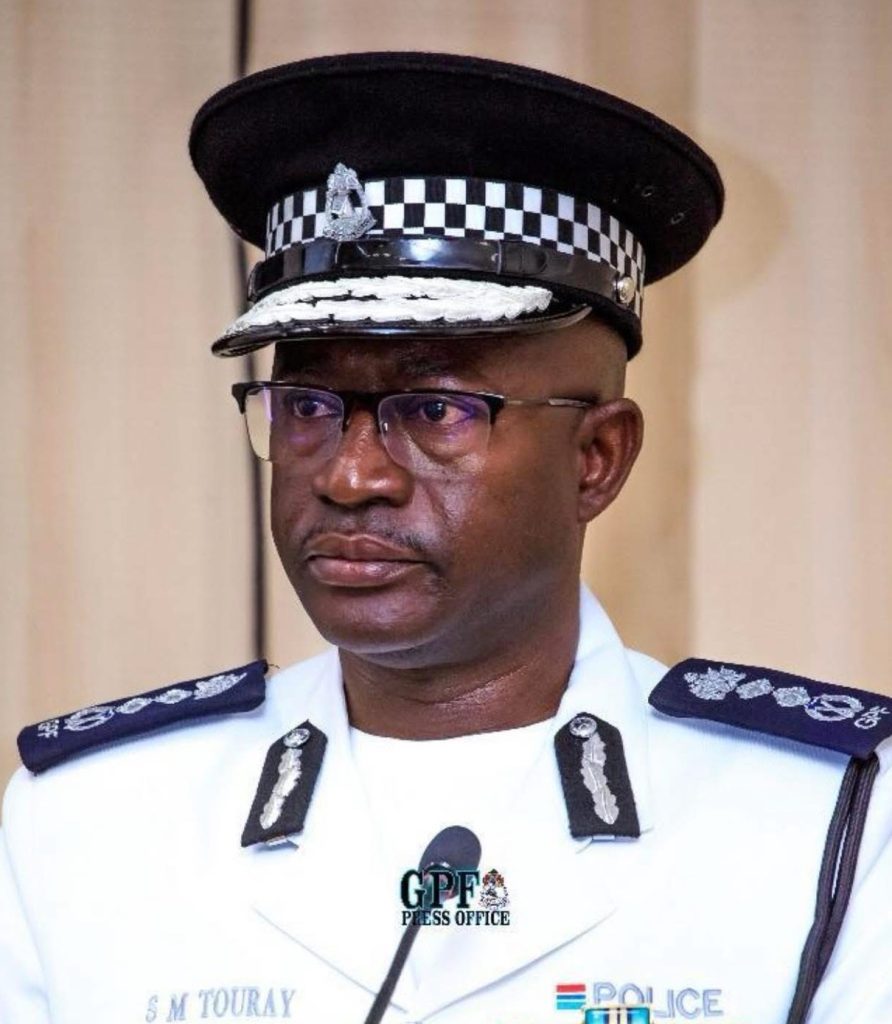
I am an ardent and firm believer that public discourse must rise above emotion, political convenience and social media sensationalism, and confront truth with honesty, fairness and moral courage. The recent backlash against the nomination of Inspector General of Police Seedy Muctarr Touray for the Heroes Award is one such moment. It is deeply unfortunate that a man who has dedicated years of his life to one of the most difficult and thankless jobs in this country is now being subjected to public condemnation by individuals who either misunderstand the constitutional realities of policing or deliberately choose to ignore the broader record of his service to The Gambia.
To occupy the Office of the Inspector General of Police in a young and fragile democracy like ours is not a glamorous assignment. It is an enormous burden. It requires balancing law enforcement with constitutional freedoms, maintaining public order while respecting dissent, confronting crime while navigating political tensions, and making difficult decisions under immense pressure from all sides. Every protest, every security threat, every politically charged incident, every communal dispute and every national crisis eventually lands at the desk of the Inspector General of Police. Yet the public often judges the office through isolated incidents while ignoring the impossible complexity of the role itself.
Under the leadership of Seedy Muctarr Touray, the Gambia Police Force has witnessed visible transformation and reform. There has been a renewed emphasis on professionalism, public engagement, institutional discipline and rebuilding public confidence in policing. Many Gambians can testify that the relationship between citizens and the police today is vastly different from darker periods in our national history. That did not happen by accident. It required leadership, patience, courage and an understanding that modern policing must be rooted not merely in force, but in public trust.
One of the most remarkable qualities of the current IGP has been his accessibility and willingness to engage with ordinary citizens. The invitation of members of the “Gala” community and various groups into his office for direct dialogue demonstrated a rare level of openness and humility not often associated with high-ranking security officials. That alone reveals the kind of leader he is. A man secure enough in his office to listen, to engage and to seek understanding rather than confrontation. In a society increasingly divided by politics and social media outrage, such leadership deserves recognition rather than ridicule.
Much of the criticism surrounding his nomination has centred on the controversial re-arrest of Ousainou Bojang and Co after their acquittal and discharge. However, what many deliberately fail to acknowledge is that in any constitutional democracy, decisions relating to prosecutions and legal proceedings are not solely determined by the Inspector General of Police. The Ministry of Justice, the Attorney General and the Director of Public Prosecutions play central and decisive roles in such matters. To create the impression that the IGP personally orchestrated or masterminded every legal action is not only misleading but fundamentally dishonest.
The police operate within the framework of the law and under the guidance of prosecutorial authorities. One may disagree with certain legal decisions or state actions, but fairness and intellectual honesty require Gambians to distinguish between operational policing and prosecutorial direction. Demonising one individual without acknowledging the institutional realities behind such decisions only weakens rational public discourse and fuels dangerous misinformation.
What is even more concerning is the selective outrage displayed by some critics. In every country in the world, policing is one of the most scrutinised professions because it sits at the crossroads of law, politics, security and public emotion. No inspector general, no police chief and no security institution anywhere operates without controversy. Yet societies still honour individuals who dedicate their lives to maintaining national stability and reforming public institutions. If heroism required absolute perfection, then no public servant anywhere on earth would ever deserve recognition.
The truth is that Seedy Muctarr Touray inherited one of the most difficult institutional environments imaginable. He stepped into an office carrying the historical baggage of mistrust, fear and political sensitivities surrounding law enforcement in The Gambia. Yet despite these challenges, he has worked tirelessly to reposition the police as a more professional and approachable institution while maintaining peace and order in increasingly tense national circumstances.
There is something deeply troubling about a society that continuously tears down its public servants regardless of their efforts or sacrifices. Constructive criticism is essential in any democracy, but there is a dangerous difference between accountability and relentless vilification. If every leader is publicly crucified whenever controversy arises, then competent and principled individuals will eventually fear public service itself.
The Heroes Award is not about declaring someone flawless. It is about recognising impact, sacrifice, resilience and contribution to national life. It is about acknowledging those who carry extraordinary burdens in service to their country. Seedy Muctarr Touray’s leadership, reforms, accessibility and commitment to maintaining national stability during difficult periods make him a deserving nominee for such recognition.
History will not judge leaders solely by moments of controversy amplified on social media. History judges by the totality of service, the weight of responsibility carried and the courage shown in difficult times. And when the full story of this era is eventually written, many Gambians will remember Seedy Muctarr Touray not as the caricature painted by critics, but as a police chief who attempted, under immense pressure, to reform an institution, engage the people and uphold stability in one of the most challenging periods of our democratic journey.