By Musa Bassadi Jawara
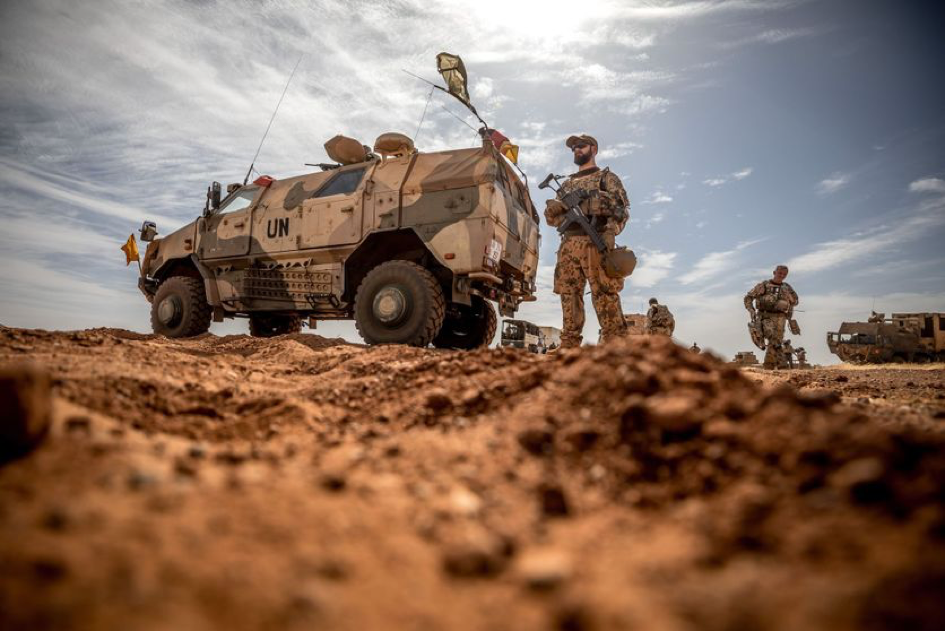
Developments coming from Bamako are worrisome. I worked feverishly for over a decade to restore security, stability, economic prosperity and to combat poverty in its crude form that has bedeviled that impoverished nation. The security arrangement via the international multilateral force, albeit impact was better than the junta’s isolationist, anti-multilateral and bellicosity that deepens Mali’s security and economic predicament.
I’m heartsick about the armament development and sorry for the killings of General Sadio Camara, the defense minister if the ware accounts of his demise are true!
For more than ten years, I walked the corridors of quiet diplomacy and hard security. From Ecowas tables to Sahel field posts, my mandate was simple: stop the bleeding. Mali was not a headline to me. It was a mother in Mopti. A teacher in Gao. A trader in Bamako who wanted only to open her stall without fear.
We designed frameworks that married force with future. The multilateral security architecture was never perfect, but it was present. It put boots where bandits ruled. It opened roads for grain, not guns. It gave mayors back their town halls and children back their classrooms. Imperfect, yes. But it was a ladder out of the abyss.
Poverty in Mali is not statistics. It is crude. It is a boy drinking from a cattle trough because the well was bombed. It is a widow selling her last goat to pay a smuggler. That is the poverty we fought. Not with slogans, but with supply chains, with vocational centers, with microfinance that reached the hands of market women in Ségou.
The multilateral force brought more than rifles. It brought legitimacy. When the world stands with you, investors listen. When convoys are protected, millet moves. When courts function, contracts mean something. Security is the currency of prosperity. We minted that currency, day by day, village by village.
Isolation is not a strategy. Bellicosity is not a doctrine. To turn away from partners while turning guns inward is to write a tragedy in real time. The junta’s posture has not hardened Mali’s sovereignty. It has softened the lives of Malians. Borders close. Prices rise. The young pick up weapons because there is no work. That is not patriotism. That is peril.
I have sat with generals and with gravediggers. I know the cost of each funeral. If General Sadio Camara has indeed fallen, then Mali has lost more than a defense minister. It has lost a chapter of its institutional memory. War spares no rank. It spares no family. My heart grieves for his loved ones, and for every nameless Malian who will be buried this week without a headline.
We proved, through a decade of work, that partnership is not weakness. Ecowas, the AU, the UN, bilateral allies — they were not occupiers. They were guarantors. They were the scaffolding while Mali rebuilt its house. Tear down the scaffolding mid-repair and the walls collapse on the masons.
Economic prosperity cannot be decreed. It is grown in the soil of stability. When we secured the Niger River corridor, rice yields doubled in two seasons. When we trained community police in Timbuktu, tourism whispers returned. When we de-risked cross-border trade, trucks rolled again to Dakar and Abidjan. That is not theory. That is record.
To the international community: do not let fatigue become policy. Mali is not a lost cause. It is a wounded giant. The Sahel does not need pity. It needs predictable, principled engagement. The kind that outlasts news cycles. The kind we practiced when we chose hard cooperation over easy condemnation.
To the sons and daughters of Mali: your courage is not in question. Your endurance is historic. But endurance without direction becomes exhaustion. Demand security that serves you, not slogans that sacrifice you. Demand prosperity that reaches your plate, not promises that fill the airwaves.
Let us speak plainly to the unelected military junta: stubbornness is not statecraft. Defiance of the international order is not independence — it is insulation from reality. You cannot eat sovereignty. You cannot school a child with a communique. The barricades you build against the world are barricades against bread, medicine, and hope for your own people. History’s verdict on isolationists is unanimous: they govern ruins.
Your stance is not sustainable because nations do not thrive on siege mentality. No economy has ever grown inside a clenched fist. The arithmetic is merciless — fewer partners mean fewer markets, fewer vaccines, fewer futures. Bellicosity fills graveyards, not granaries. The supreme interest of Mali is not the tenure of a few men in fatigues. It is the survival of millions in the fields, the schools, the clinics. Power seized without consent cannot solve problems created by consent denied.
Therefore, the moral and strategic imperative is clear: relinquish power. Not as defeat, but as duty. Return Mali to constitutional order, to civilian authority, to the will of its people. This is not foreign imposition. This is universal law: governments derive their legitimacy from the governed. Let the barracks return to their constitutional role — the defense of the nation, not the definition of it. In stepping down, you can step into history as the soldiers who chose country over command.
To every capital, from Abuja to Addis, from Brussels to Beijing: this is the Sahel’s 1945 moment. To every citizen, from Kayes to Kidal: your voice is the constitution. Let this be the world’s rallying cry — not for intervention, but for restoration. Not for punishment, but for the people. Mali will not be saved by more guns. Mali will be saved by the courage to lay them down. The world is watching. The ancestors are watching. History is taking notes. Choose wisely.
I remain convinced that Mali’s best days are not behind it. But those days will not arrive by accident. They will be built by choosing bridges over bunkers, law over lordship, and bread over bravado. The decade I gave to that cause was not charity. It was investment. In peace. In people. In a future where a child in Kidal dreams of coding, not combat.
May wisdom return to Bamako. May the guns fall silent. May the mothers of Mali bury no more sons. And may the world remember: when we stood together, Mali stood taller.