The burden of fuel increment and the urgent call for responsive governance
By Mohammed Jallow
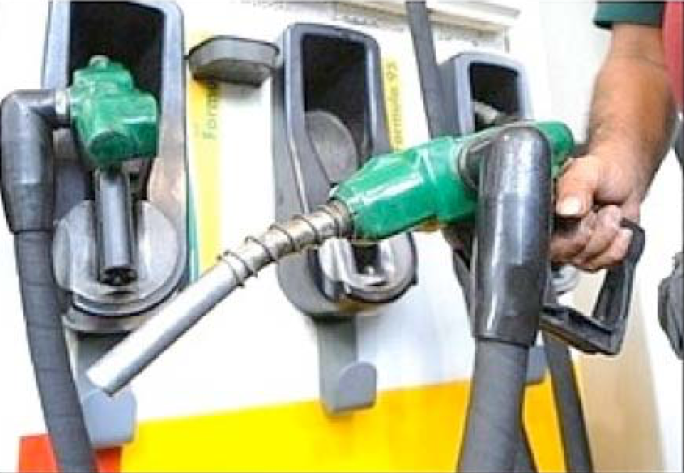
The recent escalation in the price of fuel from ninety eight dalasis per litre to one hundred and twelve dalasis per litre is not merely an adjustment of figures within the energy sector. It is a profound economic tremor whose reverberations are already being felt across every stratum of Gambian society. This decision, whether driven by global market pressures or domestic fiscal realities, has triggered a cascading effect that now threatens livelihoods, weakens purchasing power, and exposes longstanding structural vulnerabilities within the national economy.
Fuel is not an isolated commodity. It is the lifeblood of transportation, agriculture, commerce, and industry. When its price surges at such magnitude, it inevitably translates into a broad based inflationary spiral. Transport fares have already surged by as much as fifty percent in many parts of the country, a development that disproportionately affects ordinary citizens who rely on public transport for daily survival. For a worker whose income has remained stagnant, this increase is not an inconvenience. It is a crisis.
The ripple effects extend far beyond transportation. Market vendors, already grappling with thin profit margins, are compelled to raise prices on essential goods. Food items, building materials, and basic household necessities are all becoming increasingly unaffordable. The price of cement, for instance, is climbing steadily, placing home ownership further out of reach for many Gambians. The cost of rice, oil, sugar, and other staples continues to rise, placing immense strain on household budgets. In rural areas, where incomes are often seasonal and limited, the burden is even more severe.
This situation underscores a deeper issue within the Gambian economic framework. The absence of a clearly defined and enforceable basic wage structure leaves workers exposed to market fluctuations without any protective buffer. While the constitution provides for various rights and freedoms, the lack of explicit provisions for a minimum living wage creates a vacuum that perpetuates economic vulnerability. In a time of such drastic cost increases, this gap becomes glaringly evident.
The informal sector, which constitutes a significant portion of the Gambian economy, is particularly affected. Small scale traders, taxi drivers, farmers, and artisans are experiencing a sharp increase in operational costs without a corresponding increase in income. Taxi drivers, for example, are forced to raise fares to remain viable, yet they face resistance from passengers who themselves are struggling. This creates a cycle of tension and economic stagnation that benefits no one.
In rural Gambia, the situation is even more precarious. Farmers depend on fuel for transportation of produce, irrigation, and processing. With rising fuel costs, the cost of bringing goods to market increases, reducing profit margins and discouraging production. This not only affects rural incomes but also threatens national food security. When farmers produce less, the country becomes more dependent on imports, further exposing the economy to external shocks.
The government must recognise that this is not simply an economic issue but a social and political one. History has shown that sudden increases in the cost of living can lead to public dissatisfaction, unrest, and a breakdown of trust between citizens and the state. Preventing such outcomes requires proactive, transparent, and compassionate governance.
One immediate step the government must consider is the introduction of targeted subsidies for essential commodities. While blanket subsidies may strain public finances, carefully designed interventions can cushion the most vulnerable segments of society. Subsidies on public transportation, staple foods, and agricultural inputs can help stabilise prices and prevent further escalation.
In addition, there is an urgent need for a comprehensive review of wage structures across both the public and private sectors. Establishing a national minimum wage that reflects the current cost of living is not only a matter of economic policy but also of social justice. Workers must be able to meet their basic needs without falling into perpetual debt or poverty.
The government should also intensify efforts to engage with the private sector, particularly foreign companies operating within the country. These entities benefit from the Gambian market and must be encouraged, if not required, to contribute more meaningfully to national development. This includes prioritising the employment of Gambians, investing in local capacity building, and adhering to fair wage practices.
Incentivising such behavior can take various forms. Tax breaks, streamlined regulatory processes, and public recognition can encourage companies to align with national priorities. At the same time, enforcement mechanisms must be strengthened to ensure compliance. A balanced approach that combines encouragement with accountability is essential.
Another critical area of focus is public communication. The government must clearly articulate the reasons behind the fuel price increase, the expected duration of its impact, and the measures being taken to mitigate its effects. Transparency builds trust, and trust is essential in times of hardship. Citizens are more likely to endure temporary difficulties if they understand the rationale and see tangible efforts to address the consequences.
Investment in alternative energy sources should also be accelerated. Solar energy, for example, holds immense potential in The Gambia. Reducing dependence on imported fuel not only enhances energy security but also insulates the economy from global price volatility. While such initiatives may not provide immediate relief, they are crucial for long term stability.
Furthermore, social protection programs must be expanded and strengthened. Cash transfer initiatives, food assistance programs, and community based support systems can provide immediate relief to those most affected. These programs should be designed with efficiency and transparency to ensure that resources reach those who need them most.
The role of civil society and community leaders cannot be overlooked. They serve as vital bridges between the government and the populace, providing insights into grassroots realities and helping to disseminate information. Engaging these stakeholders in policy formulation and implementation can enhance effectiveness and foster a sense of collective responsibility.
At the heart of this issue lies a fundamental question about the direction of national development. Are policies being designed with the average Gambian in mind, or are they primarily driven by external pressures and macroeconomic considerations? Striking a balance between fiscal responsibility and social welfare is one of the most challenging aspects of governance, yet it is also the most essential.
The current situation presents an opportunity for introspection and reform. It is a moment for the government to demonstrate leadership, empathy, and innovation. By addressing the immediate challenges while laying the groundwork for long term resilience, it can turn a potential crisis into a catalyst for positive change.
In conclusion, the increase in fuel prices is a stark reminder of the interconnectedness of economic systems and the fragility of livelihoods in the face of sudden shocks. It calls for a holistic response that goes beyond short term fixes and addresses underlying structural issues. The government must act decisively to protect its citizens, stabilise the economy, and restore confidence. Failure to do so risks not only economic decline but also social unrest and a loss of national cohesion.
The people of The Gambia are resilient, but resilience should not be mistaken for limitless endurance. Leadership must rise to the occasion, guided by a commitment to equity, sustainability, and the collective well being of the nation.