


By Tabora Bojang
The Gambia is among a host of countries the United States government is exerting diplomatic pressure to sever ties to Cuba’s medical programme.
Earlier this year, the US passed measures to put sanctions and cut foreign aid to countries in Africa and Latin America that continue to participate in the Cuban medical programme. The US labels the programme “forced labour” and even “human trafficking” because the Cuban state retains a share of the medical brigade’s salaries.
However, Havana says the move is part of a wider push by the Trump administration to further “isolate and suffocate” the Island nation, which has been under a US economic embargo for over 60 years. The embargo restricts Cuba’s participation in the international market, crippled its economy and infrastructure and continues to cause acute shortages in food, fuel and medicine as well as widespread electricity blackouts.
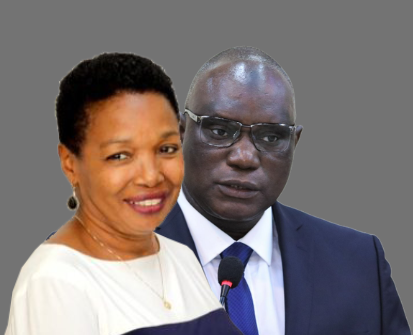
Cuba’s ambassador to The Gambia, Carmelina Ramirez Rodriguez confirmed to The Standard that US has written to The Gambia and several other countries requesting for a stop in their medical cooperation with Cuba. She said based on the US pressure, many of Cuba’s longstanding partners including Jamaica, Honduras and Guatemala have terminated the programme.
She lamented: “Since his first term, Donald Trump came with an idea to eliminate Cuba. He put in place over 2,000 new measures to strangle Cuba. He puts us back on the list of state sponsors of terrorism and because of that we cannot access the international financial system. Nobody can give us credit. We cannot transfer money. As a Cuban citizen living in The Gambia, I cannot transfer money to Cuba, Europe or the US. And in some countries, banks don’t allow Cubans to open accounts because they are scared of being fined by the US. Today, Cubans are living a very difficult moment. The national electrical system is severely affected by the blockade and we cannot buy spare parts. People will sit for days and weeks without electricity. There is no fuel, water or functioning transport.”
On the medical programme, Ambassador Rodriguez said Cuban doctors were first deployed to The Gambia in 1996 following a request by then head of state Yahya Jammeh to the Cuban revolutionary leader Fidel Castro who approved the request and sent the first team of 39 Cuban doctors.
Since then hundreds of Cuban doctors have served in the health sector. Currently, there are 125 Cuban doctors in The Gambia and they include surgeons, haematologists, cardiologists, paediatricians, urologists, obstetricians and psychiatrists deployed in public health facilities including Edward Francis Small Teaching Hospital (EFSTH), Serekunda General Hospital, Farafenni Hospital, Bwiam Hospital, Bansang and Basse Hospital.
Ambassador Rodriguez rejected suggestions that the programme constitutes a “forced labour or human trafficking” saying the government of Cuba does not get “any money” from the Gambian cooperation because it is purely bilateral and based on solidarity and friendship. She noted that since the programme began in the country, The Gambia has and continues to accord “warm” accommodation to Cuban doctors and is also responsible for payment of their salaries.
“The US is trying to damage the prestige of the Cuban government and its doctors,” the ambassador stressed. “This is a bilateral issue. If The Gambia government says they do not want Cuban doctors here and they want to close the agreement, we will go. We are here because we are requested to come and if our service is not needed we will go back,” Madam Rodriguez said.
Gambia Foreign Minister Serign Modou Njie when contacted about the country’s position on the Cuban medical programme, said: “The medical cooperation arrangements between The Gambia and Cuba are anchored in a bilateral agreement undertaken on humanitarian grounds, aimed at strengthening healthcare delivery and addressing critical medical needs in The Gambia. While concerns and views have been expressed that certain aspects of such arrangements constitutes forced labour, The Gambia maintains that it is a vital humanitarian partnership that contributes significantly to the well-being of its population.”
Implications of Cuban doctors departure
A senior administrator at the main referral Edward Francis Small Teaching Hospital who begged not to be named in this story, told The Standard: “Cuban are manning critical areas. They are the only dermatologists. The only ENT doctors (otolaryngologists) we have are Cubans. They help us with psychiatry. They helped set up the School of Medicine of the University of The Gambia and since then they have been training doctors. As of now, we don’t have the capacity to do without expatriates. Cubans play a critical role in our health sector and we don’t even pay them much because this is technical assistance. So until we have the right number of doctors, Cubans have to stay in The Gambia,” the senior administrator warned.