TSBy The Standard Newspaper20 July 2026 2 min read20 July 2026 2 min read
Hamat calls for stronger urban investment, climate action at UN-Habitat Meeting
By Omar Bah
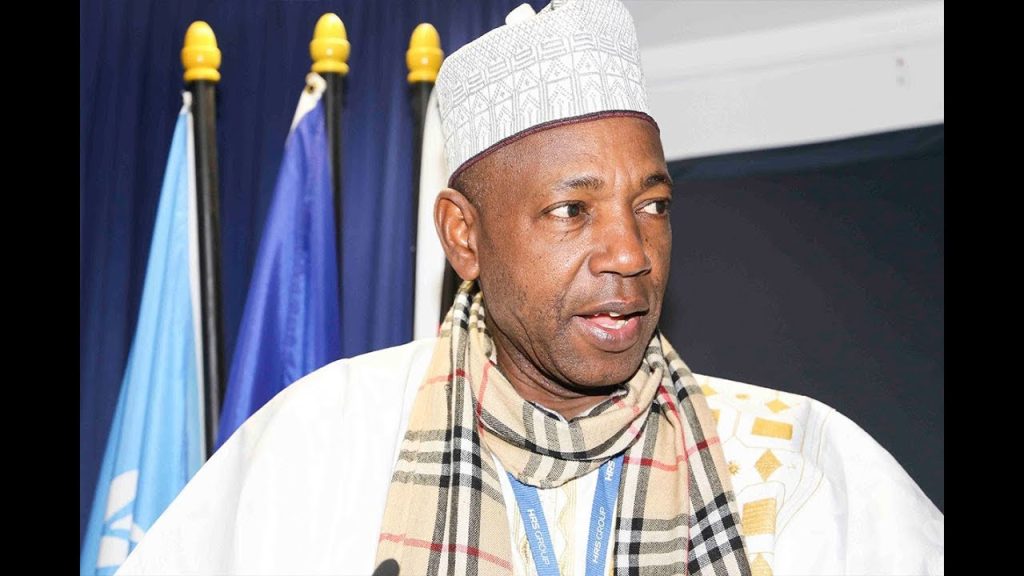
The Minister of Lands, Regional Government and Religious Affairs, Hamat Bah, has called for increased investment in housing, stronger urban financing, and intensified climate resilience efforts as the country confronts mounting urban pressures.
Speaking at a high-level UN-Habitat meeting reviewing progress on the New Urban Agenda, Bah said The Gambia is undergoing rapid urban transformation driven by population growth, rural-to-urban migration, and expanding informal settlements. He warned that these pressures are straining infrastructure, housing, and essential services.
“The challenges are significant, but they also present an opportunity to build inclusive, resilient and sustainable cities,” Bah said.
He outlined key reforms underway, including the development of the Gambia Lands Policy 2026–2035, legal and institutional reforms in land administration, and efforts to strengthen decentralization and local governance. These measures, he said, are aimed at improving urban planning, ensuring equitable access to land, and reducing poverty.
Bah emphasised that secure land rights are central to sustainable development, noting their role in housing delivery, economic empowerment, and social inclusion.
Despite these efforts, he acknowledged persistent housing shortages, particularly affecting low- and middle-income earners, alongside gaps in infrastructure, transport, and basic services.
Climate change, he added, is compounding the crisis. Rising sea levels, coastal erosion, and flooding continue to threaten urban communities and infrastructure, requiring urgent investment in adaptation and risk-informed planning.
Bah pointed to ongoing interventions such as the World Bank-supported West Africa Coastal Areas Management (WACA) Project, which aims to reduce flood risks and strengthen resilience along the Kotu Stream through nature-based solutions.
Looking ahead, the minister identified three priorities including scaling up affordable housing, improving access to sustainable urban finance, and strengthening cooperation across governments, institutions, and international partners.
He urged development partners to expand concessional financing and support innovative funding mechanisms, stressing that local governments need reliable resources to meet growing urban demands.
Bah also highlighted the importance of technology, calling for greater use of digital tools, geospatial systems, and artificial intelligence to improve planning, service delivery, and data-driven decision-making.
“The decisions we make today will shape the future of our cities and communities,” he said, reaffirming The Gambia’s commitment to the New Urban Agenda and to working with global partners to accelerate progress.
Enjoyed this story?
Applaud it for the newsroom — one clap per reader, per story.