Investigator reveals how UTG student’s kidney was removed in Oman leading to her death
By Omar Bah
The National Agency Against Trafficking in Persons (NAATIP) West Coast Region Focal Person and senior investigator Seedy Bojang has recounted a deeply disturbing case of a University of The Gambia (UTG) student who was trafficked to Oman under false promises, only to return home fatally violated.
The young woman was reportedly persuaded by traffickers to defer her studies after being offered what appeared to be a life-changing opportunity—a managerial position at a hotel in Oman. Instead, she walked into a calculated trap.
“Upon arrival, she was told she needed a routine medical check to confirm her fitness for the job. But what followed was far from routine. At the hospital, she was injected and lost consciousness. When she woke up, something was wrong. Her body felt different.
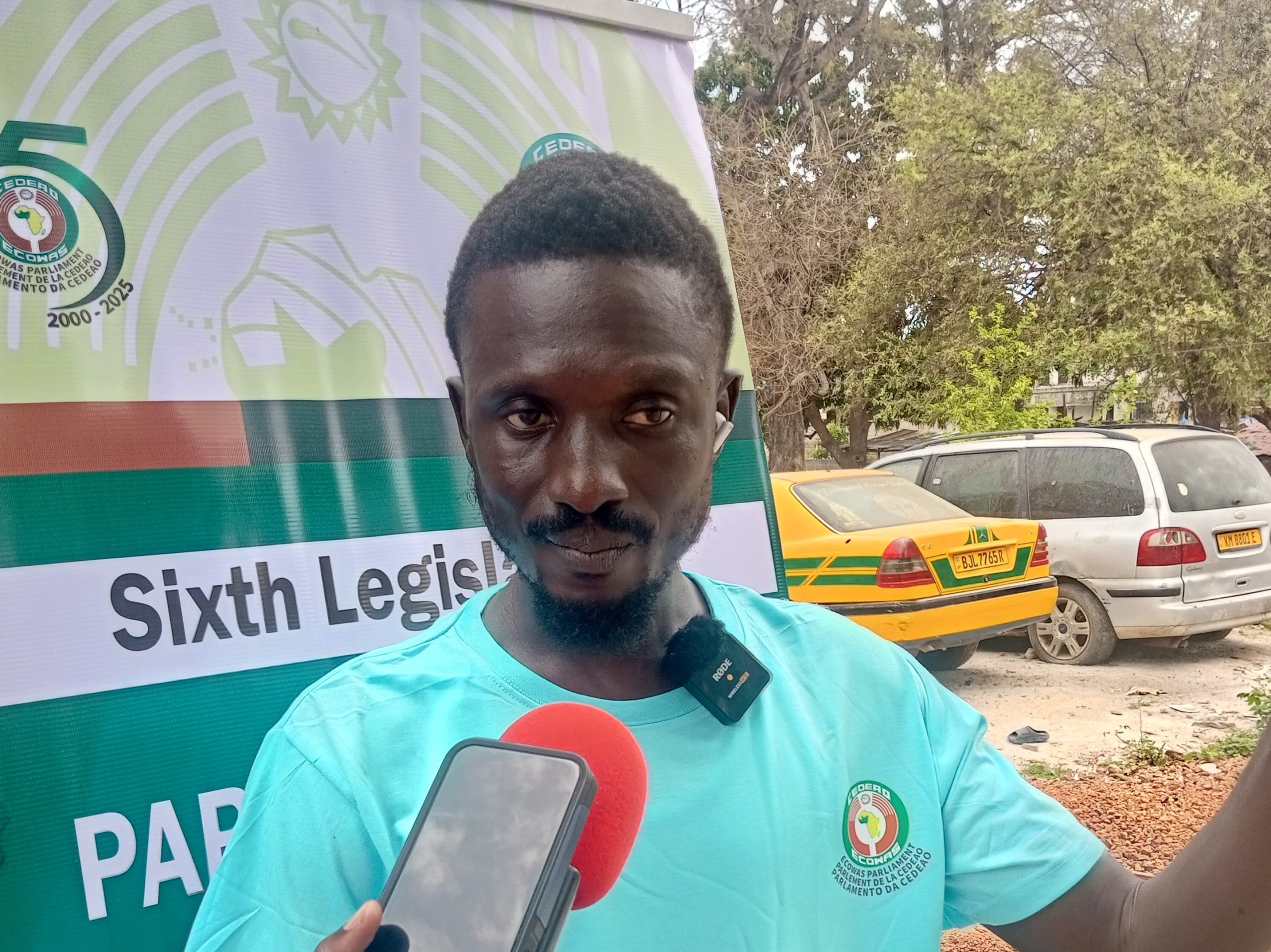
When she questioned hospital staff, she was told she had been involved in an accident. She immediately rejected the claim, insisting she had been in good health before arriving. It was then revealed she had been brought in by her employer for a medical check—raising alarm within the facility,” Bojang told a meeting organised by the Ecowas Parliament recently in Brikama to sensitise people on the dangers of irregular migration and trafficking.
According to Mr Bojang, hospital authorities later arranged for her return to The Gambia to recover.
“But the damage had already been done”.
He said days after her return, she began experiencing severe complications.
‘When she was rushed to the hospital, the case was reported to Naatip, which launched an investigation. Tragically, she died before justice could catch up with those responsible.”
Bojang said the case underscores the brutal reality of human trafficking networks preying on vulnerable young people with promises of jobs and better lives.
Globally, an estimated 49.6 million people live in situations of modern slavery. In The Gambia, authorities confirmed over 49 human trafficking cases between 2023 and 2025.
He added that traffickers exploit porous borders and use deception to lure victims not only from The Gambia but also from Nigeria, Sierra Leone, and Liberia.
“Many of those trafficked ends up trapped in forced labour or prostitution”.
Bojang stressed that trafficking and migration are dangerously intertwined, describing the situation as a growing national emergency.
He revealed that recent operations led to the rescue of 40 children who were being exploited by a woman now in custody alongside her husband.
“Their case has been forwarded to the Ministry of Justice”.
In another alarming case, Bojang added, about ten young girls were intercepted before being trafficked to Ivory Coast with false promises of a monthly salary of D40,000.
“Victims are often manipulated into paying over D90,000 to traffickers—many of whom are Gambians working with foreign accomplices.”
He disclosed that over the past three years alone, more than 30 young Gambian women have been repatriated from Oman after being trafficked under similar deceptive schemes.
Also, speaking at the meeting, Brikama North NAM Alhajie S Darboe warned that The Gambia and Senegal are increasingly becoming prime targets of trafficking syndicates, largely driven by the “backway” migration crisis.
He said the Ecowas Parliament is now stepping up efforts to support both countries in tackling the crisis more decisively.