Senegal debates electoral reform seen to benefit PM
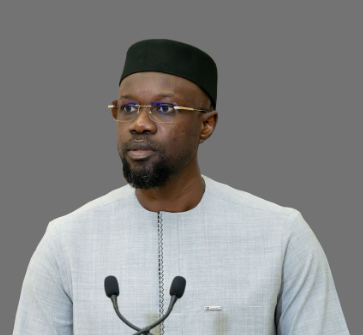
Senegalese lawmakers were on Tuesday examining a proposed reform of the electoral code that critics say is designed to allow the country’s premier to run in the next presidential vote.
Prime Minister Ousmane Sonko was barred from standing in the February 2024 presidential election after being convicted of defamation.
“This legal case has nothing to do with my future candidacy,” Sonko said, insisting that nothing could stop him from standing in an election.
His lawyers argue than an amnesty law passed in March 2024 wiped out the defamation conviction.
That law was passed in a bid to calm political tensions after unrest between 2021 and 2024 that left dozens dead in the normally stable west African country.
The bill under debate on Tuesday was introduced by Pastef, Sonko’s party, which holds a strong majority in parliament.
Changes to Articles 29 and 30 were approved by a parliamentary committee on Saturday.
Pastef parliamentary leader Ayib Daffe said the reform aims to improve the electoral framework.
He said it would limit bans on electoral registration for convicted officials to five years after the completion of their sentence, rather than imposing a permanent ban.
The opposition coalition FDR rejected the proposal, calling it a “personalised law, tailored to fit a single man,” in reference to Ousmane Sonko.
It has called for the bill’s immediate withdrawal.
mrb/lp/sla/rh/gil