


By Olimatou Coker
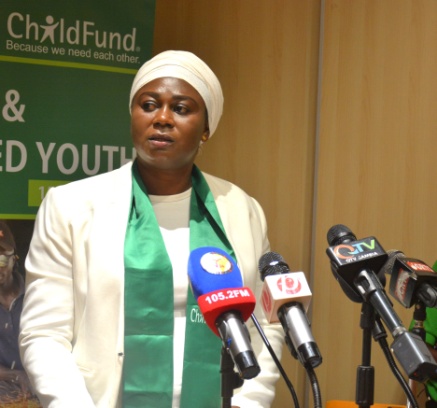
Musukuta Komma-Bah, the Country Director, Child Fund The Gambia has expressed concern over the increased reported cases of sexual violence against children, saying that the situation presents a protection failure and gaps in enforcement, accountability and social norms.
In an opinion piece shared with The Standard, Madame Bah said reports of sexual violence against children in The Gambia are all over in police files, media headlines, and in everyday conversations. ”But these are only the visible cases.
Many more remain hidden, silenced by fear, stigma, or pressure to settle abuse quietly”, the Child Fund boss lamented.
She maintained that these cases are not isolated incidents.
“At the heart of this crisis is a persistent misunderstanding or outright disregard of one fundamental principle, and that is, children cannot consent to sexual activity. This is clearly established in Gambian law and international child‑rights frameworks to which The Gambia is a signatory. Yet in practice, sexual violence against minors is still minimised, excused, or reframed as a “relationship,” a “family matter,” or a “mistake.” These narratives are dangerous. When an adult engages in sexual activity with a child, it is sexual assault, regardless of circumstance,” she said.
She added that the justice system must work for survivors, not against them, adding that investigations into sexual offences against minors must be timely, professional, and survivor‑centred. “Interference, intimidation, and informal settlements must be actively discouraged and sanctioned.
No individual, regardless of status or influence, should be shielded from accountability, and support services for child survivors must be strengthened,” she said. According to her children who experienced sexual violence need more than sympathy. “They require accessible psychosocial care, medical support, legal assistance, and long‑term follow‑up.
Recovery is a process, not an event, and services must reflect that reality and we must confront the norms that allow abuse to persist. Culture cannot be used to excuse harm. Silence is not dignity. Protecting perpetrators is not unity. The true measure of our values is how we protect children when it is uncomfortable, inconvenient, or costly,” she concluded.