By Fatoumatta Trawally
Rest not just as a recovery tool, but as a life enhancing practice that protects your mind, body, and soul.
What is true rest?
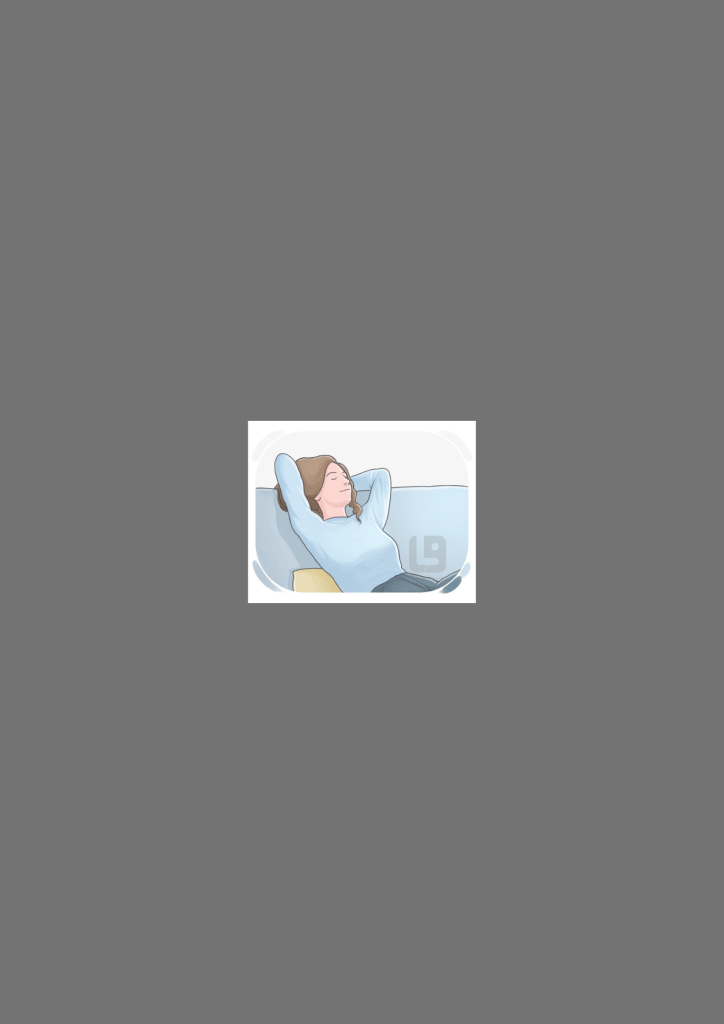
Rest is more than just stopping work or sleeping—it’s the intentional creation of space to reconnect with yourself, heal your energy, and restore balance between doing and being.
It’s a skill. It’s a boundary; it’s how you stay whole in a world that keeps asking for more.
Why We Struggle with Rest?
Let’s be honest—rest is hard for many of us. Here’s why:
The Guilt and Productivity Addiction: We’ve been conditioned to believe that rest equals to laziness. Our worth feels tied to how much we do, and that we can only attain our goals when we keep working harder but that’s not the real case. To others, the more they rest, the more they feel guilty and worthless of living.
Noise & distraction: We live in a world that doesn’t know how to pause. So many distractors and polluted noise can cause hindrance to rest.
Perfectionism: We push ourselves past burnout just to meet impossible standards. But are those standard worthy of lives?
So we work, we collapse, then we numb (scrolling, bingeing), and call that rest—but it’s not.
Real rest vs fake rest.
Real rest
It’s Intentional and mindful. Real rest restores energy, feels light, calm, and healing.
Having real rest sets clear boundaries (I choose to rest). It builds capacity and gives you the mental stability.
Fake rest
It’s passive and numbing, it drains or avoids energy making you feel heavy, anxious, or guilt-ridden. It usually occurs or happens by default (I crashed, I zoned out), because the brain is coordinating you to get that rest it needed when you didn’t programme yourself to do. Rest is a choice not a force. Fake rest makes one to escapes reality.
Real rest feels like nourishment. Fake rest feels like avoidance.
Seven (7) types of rest and how to deal with each type of rest—in detail
1. Physical Rest (Active + Passive)
It can be passive: wherein sleep, naps, stillness are involved.
It can be active: Stretching, massage, gentle yoga, slow walks are practised.
Note: Some people sleep a lot but still feel tired—they’re missing the other kinds of rest.
How to Deal With It:
Stop glorifying being tired. Sleep in a cool, dark, quiet room and treat your body gently—not like a machine.
2. Mental rest
Your mind has tabs open all day: to-do lists, worries, comparisons, memories. Without rest, it spirals into fatigue or overthinking. Therefore you need to give yourself a mental break, stop overthinking, stop worrying and take a minute or hour to rest mentally. Rewire your brain to focus on positive mindset, set clear vision and create a system that will not drain your mental capacity because in the end, the brain will always find the simplest method into survival mode!
How to Deal With It:
Take mini “white space” breaks (no phone, no thinking—just be).Use the Pomodoro technique 25 minutes work, 5 minutes pause. Try “thought dumping” in a journal.
3. Social rest
You can love people deeply and still need space from them. Introverts especially burn out if they are constantly “on.” Have you ever heard “my social battery died out”? Some can be with you in social gathering and still feel zoned out, this might be the simplest explanation for it.
How to Deal With It:
Choose alone time intentionally—not out of withdrawal, but to recharge. Use “Do Not Disturb” time guilt-free. Say “no” to draining conversations. You owe no one constant access to you.
4. Emotional rest
When you’re tired of “pretending”—smiling when you’re not okay, or constantly holding space for others but not yourself. Within yourself you’re not a peace, give yourself a break. We all need it.
How to Deal With It:
Let your real emotions be seen (safe person, therapist, journal). Normalise saying “I’m not okay” without feeling dramatic. Practice self-compassion like you’d offer a close friend.
5. Creative Rest
We all create—whether it’s ideas, content, caregiving, or problem-solving. You hit a block when you don’t let your mind wander or breathe. Make use of your soft skills and develop that part of your brain.
How to Deal With It:
Take in beauty without needing to produce: art, nature, music, silence. Stop consuming content and start experiencing life again. Give yourself permission not to always be “inspired.”
6. Spiritual rest
It’s soul-level fatigue. You might be functioning—but feel disconnected, empty, or without purpose.
How to deal with it:
Return to your source (faith, nature, community, solitude).Ask deeper questions: “Why am I here?” “What do I stand for?” If serve others is your passion, do it. Kindness is spiritual oxygen.
7. Sensory rest
This generation is suffering from this type of Rest. We are constantly connected to our devices, constantly bugged by notifications that cause us to disconnect with our present moment because we are actively wasted in the internet. A friend of mine told me, when I’m connected to social media, I forget the purpose that brings me to it. I scroll uncontrollably for hours before learning what was the main reason I picked my phone. This is the motive of most social media platforms, to keep you wired in for hours for their own market. But we are doing more harm to our nervous system. Constant light, noise, screens, notifications = nervous system overload.
How to Deal With It:
Try an hour of digital detox daily. Close your eyes in stillness for 5 minutes. Create a calm corner: candles, soft light, quiet, no devices.
How to start a rest ritual
Even if your schedule is packed, here’s a powerful method:
“Mini-Rest Formula” (5–5–5)
• 5 minutes silence or breathe (mental rest)
• 5 minutes stretch or slow walk (physical rest)
• 5 minutes screen-free sitting, eyes closed (sensory rest).
That’s 15 minutes a day that can literally reset your whole system.
I will end by stating a quote to keep: “Rest is resistance.” – Tricia Hersey (The Nap Ministry).
And that your daily prescription is; Rest. Better than any over-the-counter medication. Neither do you need Iron or Magnesium diet for your constant fatigue, you need to rest!
Choosing to rest in a world that glorifies burnout is a radical act of self-love and power!
The author is the Information and Communication Minister, UniGaMSA and a 21st Cohort (Dentistry), 5th Year at the School of Medicine and Allied Health Science, UTG.