


By Amadou Jadama in Beijing
A hospital in Tianjin, northern China, has developed a 75-gram artificial heart that is redefining cardiac care, recording an 85 percent survival rate among 108 patients implanted since 2022.
The device, engineered by the Tianjin Economic-Technological Development Area International Hospital in collaboration with China’s aerospace sector, is regarded as the lightest artificial heart ever produced. Medical experts say it offers a critical lifeline to patients with end-stage heart failure who have exhausted all other treatment options.
Speaking to journalists during a facility tour, Dr Zhou Ying, Head of Cardiology, confirmed the device’s growing clinical success.
“Since its introduction, 108 patients have received implants at our hospital, with an 85 percent survival rate,” Dr Zhou said. “This surpasses the global average of approximately 70 percent.”
Record-breaking innovation
Weighing just 75 grams—lighter than most smartphones—the device can function for up to three years before requiring replacement. Priced at 500,000 yuan (approximately 69,000 US dollars or 41 million CFA francs), the technology remains costly but signals China’s rapid advancement in high-end medical engineering.
Dr Zhou noted that the innovation forms part of Tianjin’s broader push into artificial intelligence and robotics, where automated systems are increasingly driving breakthroughs in both manufacturing and healthcare delivery.
Complex world-first surgery
In one of the most complex cases to date, the hospital performed a world-first dual implantation procedure on a 12-year-old patient, Xiao Ni, who suffered from severe heart failure affecting both ventricles.
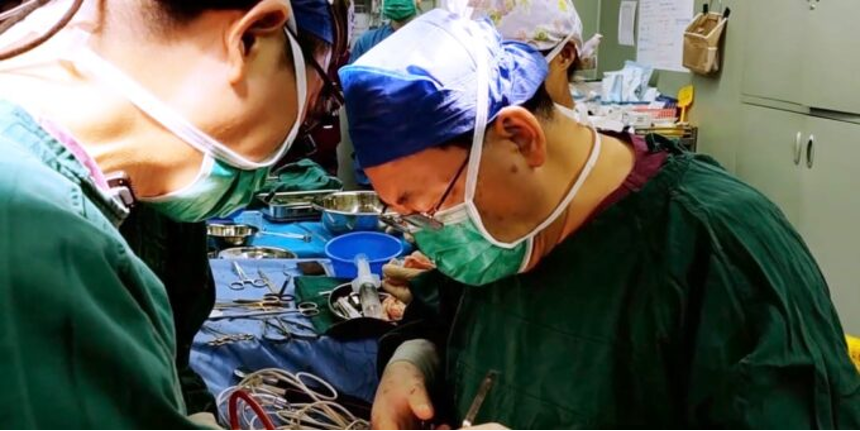
Due to her underdeveloped heart and extremely small cardiac chambers, the operation carried significant risk. The surgical team, led by Professor Liu Xiaocheng in collaboration with Nanjing Children’s Hospital, implanted two artificial hearts alongside a donor heart transplant to stabilise her condition.
“The case was exceptionally challenging because both ventricles had failed,” Professor Liu explained. “To restore balanced blood circulation, we had to implant two artificial hearts.”
The procedure was successful, restoring blood flow and ultimately saving the patient’s life, marking a significant milestone in advanced cardiac surgery.