


By Olimatou Coker
The Department of Community Development has launched the first scale-up of the Productive Economic Inclusion Programme under the Gambia RISE Project, targeting 3,420 vulnerable households across 12 districts in four regions.
The rollout, delivered by DCD in partnership with the National Nutrition Agency and the Directorate of Social Welfare and coordinated by the Ministry of Finance’s Central Project Coordination Unit, is funded by the World Bank Group. It focuses squarely on lifting extremely poor households out of poverty through targeted cash grants, skills training, and intensive mentorship.
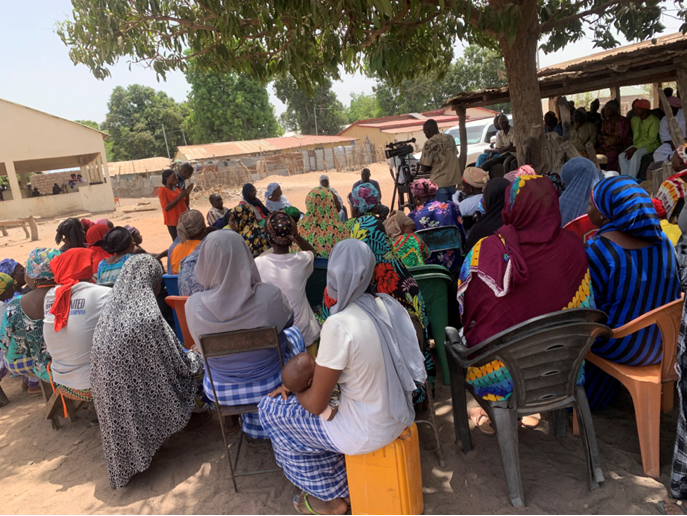
Speaking at the enrollment in Joli Village, DCD Director Fatou Gibba said the PEI Programme operates under Component 3 of Gambia RISE on social protection. It targets vulnerable and extremely poor households hit hardest by climate shocks and socio-economic hardship. The scale-up covers 12 districts in the West Coast, Lower River, North Bank, and Central River Regions.
Each selected household will receive a conditional grant of up to D20,000 to start or expand income-generating activities. But the money comes with strict conditions.
“Before receiving the grants, participants will undergo several training sessions, including entrepreneurship and financial literacy, life skills, and livelihood skills training. Beneficiaries will also be trained in establishing and participating in Village Savings and Loan Associations,” Gibba stated.
Households opting for specialised enterprises such as poultry or handicrafts will receive technical training from relevant agencies, including the Department of Livestock Services.
“We are not making it easy because we want to ensure that the money is properly invested and contributes to improving livelihoods and reducing poverty,” Gibba emphasised.
Every participant will receive coaching and mentorship for 12 months, with the full support programme running for 18 months. Community-based coaches will monitor and guide beneficiaries to manage their businesses successfully.
Priority will go to persons with disabilities and youth, with at least 50% of beneficiaries expected to be women.
Gibba cited strong outcomes from the pilot phase in Nianija, Wuli West, and Foni Bintang Karanai. Several beneficiaries scaled small roadside businesses into established enterprises. Village Savings and Loan Associations formed during the pilot saved over D700,000 in three months, and at least 78 participants accessed loans through the groups.
“We want to see our people move out of poverty. This programme is about hard work, commitment, and investing wisely,” she said.
Aminata Suwa, World Bank consultant supporting DCD, called the launch a critical step toward reducing extreme poverty. She noted that PEI complements the NAFA Programme by reaching vulnerable households that may not qualify under NAFA but still need economic support.
“The PEI Programme seeks to ensure that vulnerable households engage in productive economic activities that can sustainably improve their livelihoods,” Suwa said. She urged beneficiaries to take training, mentoring, and coaching seriously to maximise impact and profits.
DCD reaffirmed its commitment to continued supervision and support to ensure long-term success and sustainability of beneficiary businesses.