TSBy The Standard Newspaper4 June 2026 3 min read4 June 2026 3 min read
UTG Think Tank tells gov’t to replace ‘blanket fuel subsidy’ with tax waiver on diesel
By Tabora Bojang
The University of The Gambia’s Centre for Sustainable Development and Policy Studies yesterday called on government to replace its current ‘blanket fuel subsidy’ with a transparent, time-bound tax waiver on diesel, arguing that this is the most cost-effective intervention in these times of crisis caused by the war in Iran.
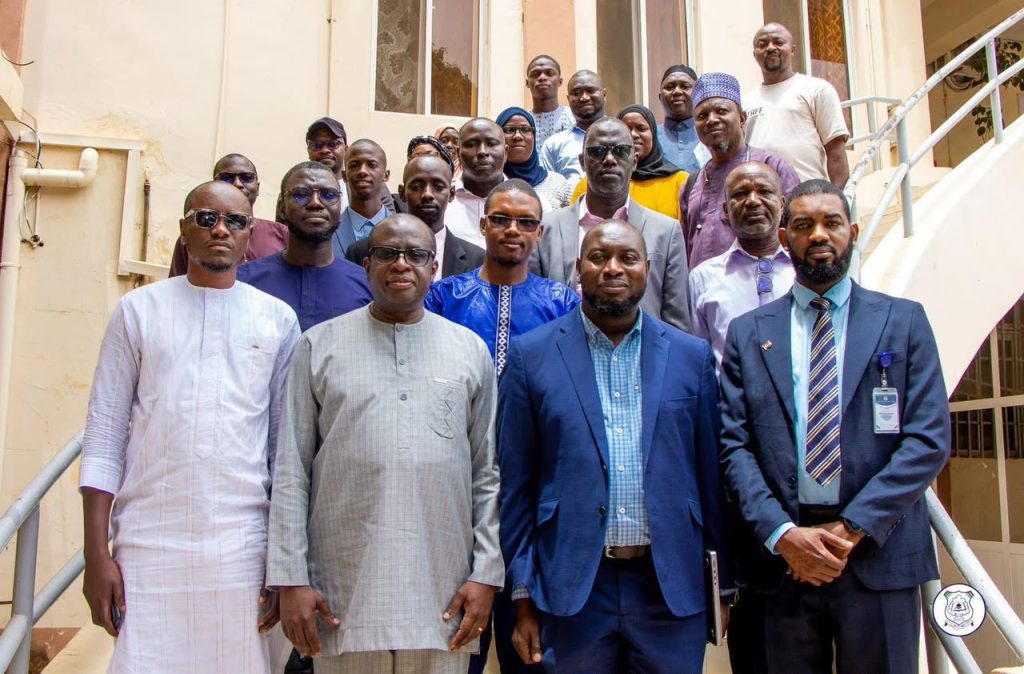
Presenting the Institute’s inaugural policy brief at the UTG campus Kanifing, Director Dr Amadou Jallow told an audience of senior government officials, Central Bank representatives and international partners that currently, The Gambia faces what he described as a “quadruple exposure” through oil, remittances, tourism, and food imports.
‘Fuel prices have risen up to 40 per cent since the war began in February, triggering over D500 million in government subsidies in just two months while remittance inflows, which account for over 30 per cent of GDP, face forward-looking risks as 87 per cent of the $872 million in annual transfers originate from war-affected European and North American economies. Tourism revenues too are threatened by doubled jet fuel costs and weakening European spending power, while fertiliser prices have surged ahead of the planting season, ” he informed the gathering
Under a moderate scenario, according to Director Jallow, the GDP growth could fall from the pre-war projection of 6.2 per cent to between 4.2 and 4.9 per cent, with the fiscal deficit target of 1 percent of GDP becoming unattainable without external support.
The Think Tank recommends replacing the fuel subsidy with a transparent, targeted, time-bound tax waiver on diesel as the most cost-effective intervention, alongside reassessing the monetary policy stance, securing fertiliser affordability for smallholder farmers, and requesting contingency financing from the IMF and World Bank.
Also speaking at the event, the Vice Chancellor of the University of The Gambia, Prof. Herbert Robinson, highlighted the important gap that the Policy Institute aims to fill in generating independent, evidence-based research to inform national policy. He called for closer
collaboration between the University and key stakeholders, including government, the Central Bank, and international development partners, in addressing the economic challenges facing the country.
A moderated panel discussion followed, featuring representatives from the Central Bank of The Gambia, the Ministry of Finance and Economic Affairs, the Ministry of Tourism and Culture, and the Ministry of Agriculture.
Panelists addressed the monetary policy stance, the fiscal sustainability of the current subsidy regime, tourism contingency planning, and government support to farmers, including access to fertiliser and connections to markets.
The Policy Institute say it intends to host such policy dialogue series on a bimonthly basis, focusing on socioeconomic issues of national concern.
Enjoyed this story?
Applaud it for the newsroom — one clap per reader, per story.