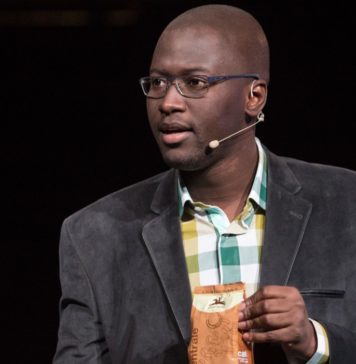
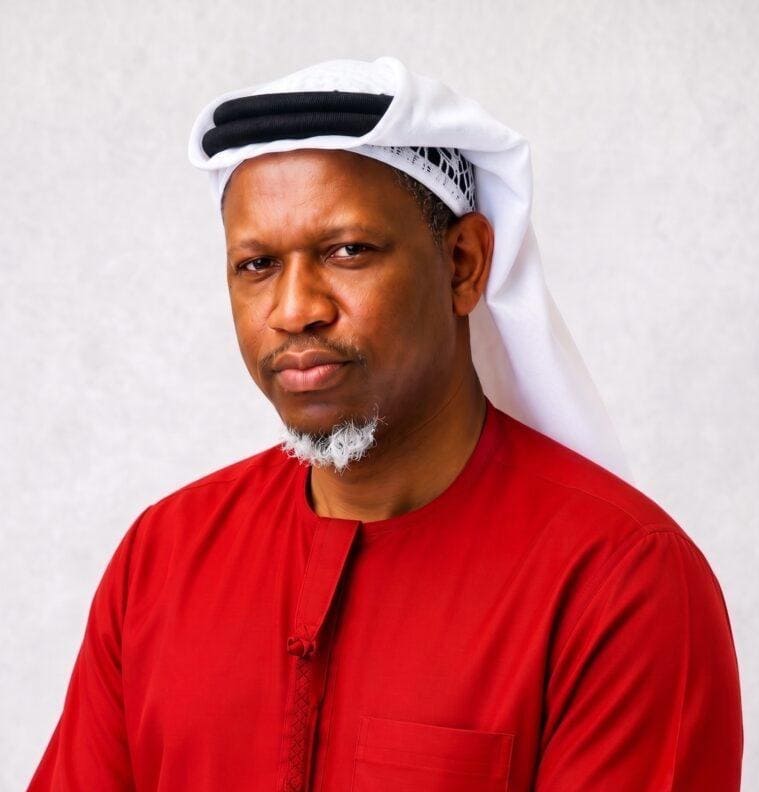
“Senegal’s external debt is unpayable.” This was a statement by Ndongo Samba Sylla. A guest on the Seneweb Eco programme on Sunday, the economist said Senegal has honoured its commitments in repaying its debt, but warned that “the cost of the mechanism is unsustainable” in the long term.
“The only way for Senegal to repay this debt is to borrow at even higher rates to repay it. That’s what you call a Ponzi scheme,” he said.
Mr Sylla also asserted that Senegal, which has been running a trade deficit for several decades, does not generate enough foreign currency to sustainably repay its external debt. “Our imports have exceeded our exports for at least fifty years. We therefore cannot rely on our exports to pay off the debt in foreign currency,” he explained.
According to him, the public deficit actually represents a surplus for the private sector. But the problem arises when this debt is contracted in a currency that the country does not control.
For Ndongo Samba Sylla, debt denominated in foreign currencies such as the dollar or the euro exposes states to international financial markets and to refinancing conditions that they do not control.
Criticising the term “cash flow strain” often used in public debate, the economist argued that “a state should never face a cash flow strain” if its monetary system is functioning normally. Sylla described the CFA franc as a “foreign currency” for Senegal.
In his view, the country does not have true monetary sovereignty since the BCEAO does not act as a national central bank capable of fully guaranteeing the solvency of the Senegalese state.
This system structurally pushes the countries of the West African Economic and Monetary Union towards external debt. According to him, the foreign exchange resources needed for the functioning of the regional financial system come primarily from external borrowing.
He said “the current financing model is not sustainable” and pointed out that a significant portion of public revenue is now absorbed by debt servicing, at a time when the population is struggling to feel the effects of the economic growth seen in recent years.
Seneweb