TSBy The Standard Newspaper24 July 2026 3 min read24 July 2026 3 min read
Finance minister calls for urgent global tax reforms to curb profit shifting
By Omar Bah
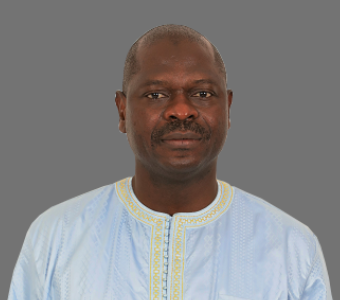
The Minister of Finance, Seedy Keita, on Wednesday renewed his call for sweeping international tax reforms, warning that multinational corporations continue to shift profits across borders in ways that deprive African countries of much-needed revenue.
Addressing to reporters on the sidelines of the 7th Heads of Tax Administrations Master Class (HTAMC) at the Sir Dawda Kairaba Jawara International Conference Centre in Bijilo, Keita said the current global tax architecture remains deeply unfair to developing countries. He argued that the system allows large companies to book profits in low-tax jurisdictions even when the economic activity generating those profits takes place elsewhere, including in African markets. This practice, often described as base erosion and profit shifting, can significantly shrink corporate tax collections in countries that depend heavily on revenue from business activity within their borders.
Keita said The Gambia is taking steps to protect its tax base, including stronger withholding measures and tighter enforcement, but stressed that domestic action alone is not enough. “We are not stopping at that; we are pushing for these reforms at the global level,” he said, underscoring the need for a fairer international system that reflects where value is actually created. He added that countries in Africa continue to operate under tax rules shaped by colonial-era structures that no longer match the realities of the modern digital and multinational economy.
He also pointed to a broader imbalance in international taxation, noting that some jurisdictions tax companies on worldwide income while many African states are left to tax only the income that can be formally captured within their borders. That gap gives multinational firms room to exploit transfer pricing, treaty loopholes, intra-group debt, and the use of offshore subsidiaries to reduce their tax bills. In practice, this means profits earned from African consumers, workers, and natural resources can be reported in countries where the tax burden is lower, starving African treasuries of revenue that could fund roads, schools, hospitals, and public services.
The revenue consequences are substantial. Research on profit shifting in Africa has shown that the largest multinational firms account for most of the problem, with tax losses concentrated among the biggest and most complex corporate groups. One study found that in South Africa, profit shifting by multinational firms with tax-haven links was estimated to cost the government around 4% of corporate tax receipts annually, illustrating how even a relatively small number of firms can inflict major losses on public finances. The broader lesson for African countries is clear: when large multinationals can book profits offshore, the tax burden shifts unfairly onto domestic businesses and ordinary taxpayers.
The HTAMC comes at a time when African governments are under increasing pressure to raise domestic revenue while facing persistent losses from cross-border tax avoidance. Advocates of reform say the continent needs stronger audit capacity, better exchange of information, tighter transfer-pricing rules, and a more equitable global framework for taxing multinational enterprises. For The Gambia, Keita’s message was blunt: if African states are serious about development, they must stop bleeding revenue through loopholes that reward profit shifting and punish productive investment.
Enjoyed this story?
Applaud it for the newsroom — one clap per reader, per story.