By Demba Baldeh
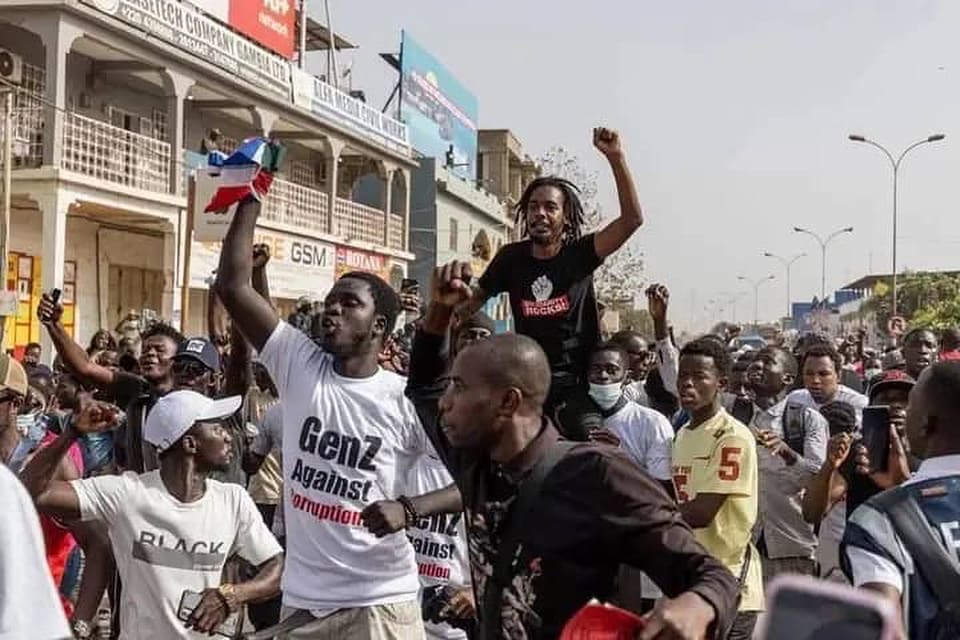
History has a remarkable way of presenting nations with defining moments. For The Gambia, one of those moments was in 2016 when an entrenched dictatorship that had ruled for twenty-two years was peacefully defeated at the ballot box. That victory did not happen because one political party was stronger than another. It happened because Gambians collectively made a courageous decision to place their country above their political identities. The Gambian Diaspora from every part of the world rallied behind organisations like Gambia Democracy Fund (GDF) and raised funds and sponsored the coalition. That was a rare National Unity that brought all Gambians together for a greater purpose ~ Country!
Today, as the nation approaches the December 2026 presidential election, history is once again perhaps for one last time giving us the opportunity to cement the project that was started in 2016. Although the project faltered down the road, it was a resounding success in bringing the country together and dislodging a ruthless dictator. That history, that lesson and hope cannot be lost in political mudslinging. Now the question before the opposition is not whether they can compete individually. The real question is whether they possess the audacity to unite for the country and for posterity?
History accurately recorded Coalition 2016 remains one of Africa’s most remarkable democratic success stories in peacefully dislodging a brutal dictator through peaceful means. Most pioneers of that short revolution if you may are alive and well. Political parties with different ideologies, personalities, backgrounds, ambitions, and constituencies accepted an uncomfortable truth: Divided, they would lose; united, they could win and make history.
No single leader was forced to surrender his/her values and convictions. No party abandoned its principles. Instead, they embraced a higher purpose ~ the liberation of a nation that desperately needed them. The guiding principles: negotiate, compromise, and respect each other’s strengths and what they bring to the table. Most importantly, they convinced Gambians that national interest was greater than personal political ambition. The abiding faith was extraordinary. Against overwhelming odds, they defeated one of Africa’s ruthless rulers through the ballot box, proving that democracy is strongest when citizens and political leaders act together in the interest of the nation.
What are some of the most important lessons the current opposition could learn from Coalition 2016 and why was it successful in changing the leadership and where did they fail. As the saying goes, “Those who fail to learn from their mistakes are condemned to repeat them”. Coalition 2016 succeeded because it was built on a simple but powerful idea: Country first! The opposition spoke with one voice with pride and one goal in mind ~’CHANGE’! Gambians across the world shared resources and leaned on each other’s efforts rather than duplicated. Political support bases were united instead of fragmented. Citizens were inspired by hope rather than divided by personalities and personal ambitions. Most importantly, Gambians voted for change not merely for a political party or an individual. That collective spirit transformed what many at the time believed impossible into reality.
It is conclusive and evident that democracy needs competition, not fragmentation. Healthy democracies require strong political parties run by patriotic citizens who provide ideas, accountability, leadership, and policy alternatives. But democracy also demands individual and collective maturity and responsibility. It is never about an individual or group of individuals. Political parties exist not simply to preserve themselves but to offer citizens the best possible government. When national circumstances require cooperation, genuine democrats understand that unity is not weakness, it is patriotism and strong leadership.
Gambia, this tiny country, cannot afford an opposition that spends more energy competing against one another than presenting a compelling national alternative to strengthen the future and dignity of its population. Each party, each citizen has the moral responsibility to look at the country first before self. One cannot aspire to lead a nation and harbor more personal ambition than national interest. More than twenty registered political parties should be viewed as evidence of political freedom. Yet freedom without coordination risks producing division rather than progress. History teaches us that patriotism sometimes requires sacrifice. It demands more than Party Loyalty!
While every political leader claims to love The Gambia, to have formed or joined a political party for the country, now is the time to prove it. Real patriotism is measured not by speeches, by crowds, by loyalty to party or to followers but by decisions one makes when the national stakes are at their highest. It means asking difficult questions; Am I pursuing leadership because the country needs me, or because I cannot accept supporting someone else to lead the change I wish to see in my lifetime? Will history remember my ambition or my sacrifice? Can I compromise today so future generations inherit a stronger democracy, more dignified society? Countries are transformed when leaders answer these questions honestly and sincerely.
Why should UDP and UMC find common ground!
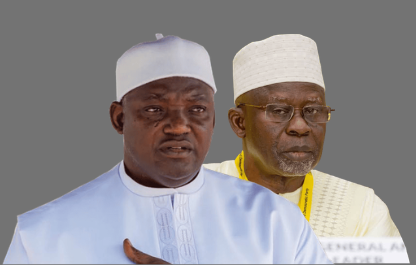
It is becoming increasingly clear among the opposition forces, new and existing; the United Democratic Party (UDP) and the Unite for Nation, Integrity, Transformation and Equality (UMC) appear to gather more energy, more support and national structures than the rest. This by no means diminishes the significant contribution the other parties and leaders bring to the table. The two stronger parties as evidence in public discourse represent different but potentially complementary strengths. When combined with other pieces of the political puzzle, the opposition could form a formidable challenge to the incumbent and once again make history for tiny Gambia. Just one last time, Gambia needs to send a clear message that it is poised to join the league of dignified nations established by principle and culture that no leader will serve for more than two terms constitutionally sanctioned or not!
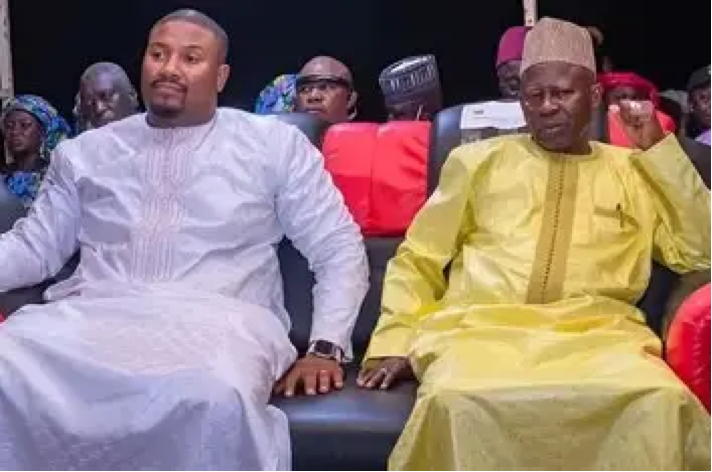
The UDP led by the veteran lawyer Ousainu Darboe brings decades of organizational experience, national reach, institutional memory, and one of the country’s most established political structures. It has consistently demonstrated resilience and possesses an extensive grassroots network capable of mobilizing voters across the country. But this strength has continuously been challenging to take the party alone to the State House. So it begs the question what is missing to bring the change it has aspired to bring for three decades. Your speculation is as good as ours!
Talib Ahmed Bensouda of UMC on the other hand, represents a younger generation of leadership that appeals to many Gambians seeking innovation, administrative reform, and fresh energy. His growing popularity among younger voters and progressive Gambians reflects a demographic reality that cannot be ignored. He certainly is not the first young Gambian to enter politics or form his own party. But the cloud he gathers within a short period is undeniable!
The strengths that UDP and UMC possess need not compete. They can complement one another for the national interest despite the pundits emotional outburst that sometimes feels more like personal vendetta than genuine fight for national interest. The Gambia must not face a choice between experience and youth. It needs both veteran leadership that provides wisdom, institutional knowledge, political maturity and young leadership that provides energy, innovation, and a vision for the future. Successful nations deliberately build bridges between generations rather than forcing one generation to replace another overnight. Gambia should be blessed with an endowment of the best of both generations.
Is it time for Statesmanship? Veteran politicians like Ousainu Darboe, Halifa Sallah and Sidia Jatta just to name a few have devoted decades of their lives to democratic struggle, often at tremendous personal cost. Their contributions to Gambian democracy is firmly established in the nation’s political history. The 2026 elections now offer them another opportunity not merely to lead, but to shape the future through statesmanship. Great leaders are remembered not only for the offices they sought but for the institutions they strengthened and the generations they prepare to lead.
Likewise, younger leaders must also recognize that lasting national leadership is built not only on popularity but also on humility, sacrifice, patience, coalition-building, and respect for those who paved the democratic path before them. This must not be a contest between generations. It is an opportunity for generations to govern together. The country must come first.
The greatest victories in politics are rarely individual victories. They belong to nations of patriotic citizens who defy all odds to champion a legacy greater than individuals. If twenty or more opposition parties truly believe The Gambia deserves better governance, stronger institutions, economic transformation, greater accountability, and renewed national unity, then they must have the audacity to demonstrate the same courage that inspired Gambians in 2016. They must realize that compromise is not surrender. That forming a coalition with others no matter the difference is not a weakness. Unity is not defeated. It is often the highest expression of patriotism.
So the concluding questions at this moment in history: does the opposition have the Audacity to Unite for national interest? Will history ask how many press conferences and political rallies were held? Will it remember who spoke loudly on social media or who gathered the largest crowd? Will Gambians remember whether leaders rose above themselves when their country needed them most or not? December 2026 presents another defining chapter in The Gambia’s democratic journey. Will opposition leaders allow personal ambition to outweigh national responsibility? Or will they summon the same courage that changed history in 2016? The Gambian people are watching. History is watching. The future is waiting and the verdict will be delivered December 2026! To the Gambia ever true!