Dear Editor,
“He who has a dull ear will hear only the sound of the drum,” goes the African proverb. Adama Barrow’s surrogates, particularly Suntou Touray and Ismaila Ceesay, are working overtime to toe the line and stay in his good books by defending the status quo rather than listening to the frustrations of ordinary Gambians. Read their reactions to the public outrage over Barrow hosting a party for Arsenal at the Statehouse, and you will see that they are not merely defending a decision; they reveal a mindset that normalizes public insensitivity and disguises it as reasonableness and loyalty.
Suntou Touray urges the public not to turn every occasion into a political controversy, reminding us that “normal human interaction, relaxation, and recreation are important for everyone, including public officials.” On the surface, that sounds reasonable, even if no one has claimed otherwise. But look a bit deeper, and you will notice that Suntou conveniently ignored the context that makes the celebration controversial in the first place.
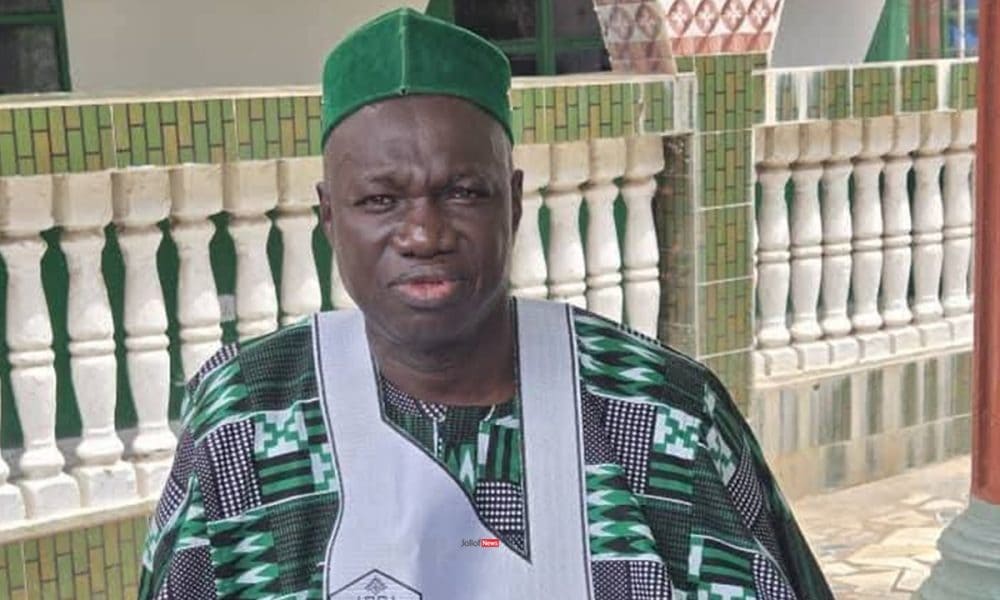
Suntou Touray dulled his ears the moment he secured a dream government job! This is, after all, the same Suntou who once objected to Yahya Jammeh’s monopoly of GRTS on the grounds that it belonged to everyone and was sustained by taxpayers. What was once framed as a matter of public principle is now excused when it serves Adama Barrow and Suntou’s political survival. Suntou’s evolution is a classic example of how people condemn abuse outside government but rationalize it once they are politically aligned with those in office.
And then you have Ismaila Ceesay! The less said about his spinelessness, the better.
Suntou and Ismaila, like many who mooch off the tired backs of Gambians through their service to Adama Barrow, have very dull ears and can only hear the sound of APRC/NPP drums. They share an acute inability to hear the public beyond the reassuring rhythm of ditties for Adama Barrow. Notice how they both ended their insensitive posts: by praising Adama Barrow! “It is also important to acknowledge the significant progress made under the President’s leadership…” Suntou Touray. Not to be outdone, Ismaila Ceesay tells us that “The real question is whether his government is working to improve the lives of Gambians. The answer is evident in the roads being built…”
Oh, and if you haven’t noticed, they both ended their posts with lectures on constructive criticism! You would think someone died and made them the judges of what constitutes constructive criticism! The sycophancy is mesmerizing. It is lost on these sycophants that celebrating a football victory becomes insensitive when it ignores the plight, pain, or suffering of other Gambians. The criticism is not that a president should never celebrate. It is that celebration becomes politically and morally tone-deaf when it unfolds at the State House, at a time when many Gambians are struggling to meet basic needs such as water and electricity. That is the criticism! They never asked whether the timing, symbolism, and use of public resources send the right message!
Again, no one is saying Barrow should not celebrate! He can celebrate to his heart’s desire. He could have rented the Conference Center or any venue of his choice. But even then, kubbay na tummah! Lu neh ak wahtome! When Gambians are crying out for water and power, is it the right time for the President to be celebrating the victory of an English football club at State House, using poor people’s resources? Does the timing and symbolism send the right message to people already burdened by hardship? These are the questions that should have crossed their minds if they had cared. If they had cared!
Alhagie Saidy Barrow
USA
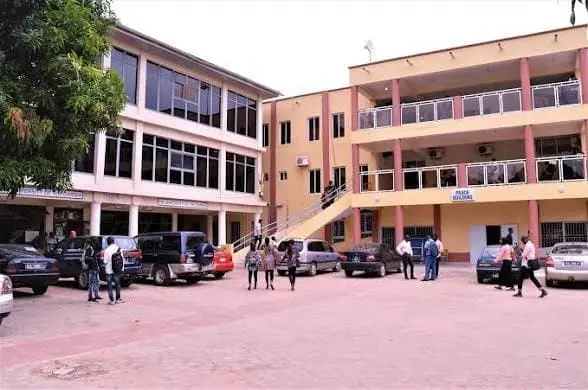
The unfolding events surrounding the persistent refusal of the Independent Electoral Commission of The Gambia to register the UNITE Party should alarm every citizen who believes in democracy, fairness, and the sanctity of constitutional governance in The Gambia. What ought to be a straightforward administrative process increasingly appears to many as a deliberate and calculated effort to frustrate political participation, disenfranchise a growing movement, and deny Gambians the fundamental democratic right to freely choose who leads them. Institutions created to protect democracy must never become instruments used to suppress it.
History will ultimately judge the stewardship of the current IEC leadership, and serious questions must now be asked as to whether this period will be remembered as one of the darkest chapters in the Commission’s existence. It is deeply disappointing that at a moment where many Gambians expected leadership marked by courage, impartiality, and fairness, the opposite perception is taking root. The office of electoral oversight demands absolute neutrality, not conduct that creates suspicion, undermines public confidence, and raises troubling questions about whether the democratic playing field is being intentionally tilted.
The Gambia cannot afford institutions that pick winners before the people even reach the ballot box. Democracy dies not only through coups or violence, but also through quiet bureaucratic obstruction disguised as procedure. If public confidence in the electoral process is eroded today, history will remember not those seeking participation, but those who stood in the way of democracy when fairness was demanded most.
We will not buckle under fear and we will approach the courts, who now seem to be, the last bastion of hope in our country.
M R R