


By Olimatou Coker
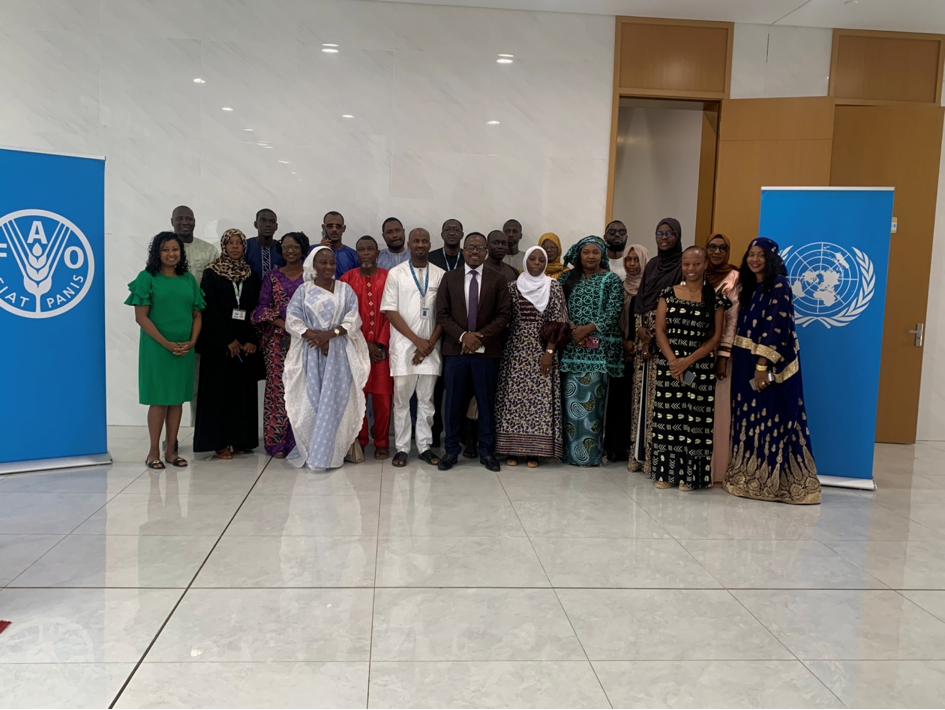
The Food and Agriculture Organisation on Friday opened a four-day validation workshop to lock gender into disaster risk management and climate change adaptation, warning that The Gambia can no longer afford gender-blind policies in the face of floods, droughts, and coastal erosion.
Held at the OIC Conference Centre in partnership with African Risk Capacity, the workshop aims to validate findings from a comprehensive Gender Analysis of the DRM and climate change sectors and finalize a Gender Action Plan. The goal: force gender considerations into policies, programmes, and coordination mechanisms — not as an add-on, but as standard practice.
Participants included government institutions, local authorities, civil society organisations, women-led groups, development partners, and technical experts. The forum was designed for inclusive dialogue on how gender intersects with climate change and disaster risk in The Gambia.
Dr Mustapha Ceesay, Assistant FAO Representative, said the timing is critical. “Climate change is real, with global consequences, and in The Gambia we are increasingly exposed to climate-related and disaster risks such as flooding, coastal erosion, droughts, and windstorms,” he said.
Through the FAO–ARC partnership, he said, a comprehensive gender analysis on disaster risk management and climate change, along with a Gender Action Plan, has now been developed. “The next step is validation and implementation.”
Boroto Ntakobajira, Gender Expert for ARC, said the organisation is committed to mainstreaming gender in disaster risk management. “ARC systematically incorporates gender perspectives into its operations and policies to ensure equitable outcomes for vulnerable women, men, and children,” he said.
He said gender equity cannot be left to chance in disaster response. “It must be built into budgets, plans, and early warning systems from the start.”
Ndey Fatou Jobe, Deputy Permanent Secretary at the Ministry of Environment, reaffirmed government’s commitment to “inclusive, evidence-based, gender-responsive climate and disaster risk governance.”
She said government has shown strong policy leadership through its national climate change policy, which aims to mainstream climate considerations into planning, budgeting, and decision-making while building climate-resilient communities, food systems, landscapes, and coastlines.
The workshop marks a shift from paper commitments to actionable plans. With the Gender Action Plan now on the table, stakeholders are expected to move from validation to enforcement — ensuring women, who bear the brunt of climate shocks, are also central to the solutions.