KMC launches digital-address project to improve policymaking
By Aminata AP Ceesay
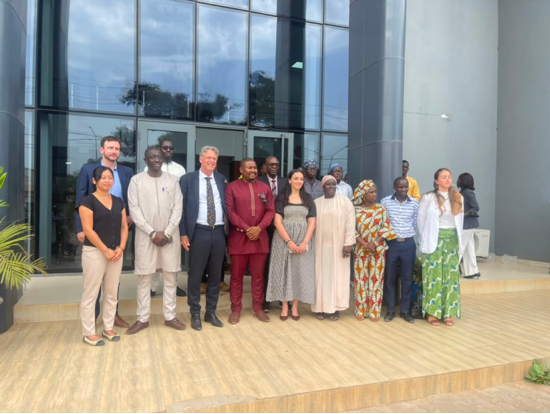
The Kanifing Municipal Council (KMC), in partnership with the Fund for Innovation in Development (FID) and researchers from Paris Dauphine University, Sciences Po Paris, and the University of The Gambia, on Tuesday launched “Leveraging Digital Addresses for Evidence-Based Policymaking in Kanifing” at the KM ground.
The project will scale the use of digital addresses (Google Plus Codes) and integrate administrative data systems to strengthen municipal governance and decision-making. KMC officials said the system will support core municipal functions, including waste management, property taxation, business licensing, and market management.
Mayor Talib Ahmed Bensouda described the initiative as a practical step toward a smarter, more responsive municipality.
“This is not just about technology. It is about improving planning, service delivery, revenue collection and transparency by grounding decisions in accurate data, not assumptions,” he said. He thanked development partners and researchers for their support and said the project aims to deepen trust between citizens and institutions.
Chief Executive Officer Paa Sait Ceesay said the launch marks a milestone in KMC’s drive for innovation and institutional strengthening.
He warned that growing demand for services must be met despite limited resources.
“To serve our citizens effectively we must strengthen systems, improve data quality, and ensure decisions are evidence-based.”
Ceesay emphasised that while infrastructure matters, sustainable results depend on stronger institutions.
Lead researcher Victor Pouliquen outlined the project’s second-phase priorities which include institutionalising Google Plus Codes, integrating municipal data, and building staff capacity for evidence-based policymaking.
“We are moving from isolated innovations to institutional adoption,” he said, adding that the system is intended to deliver lasting governance and service improvements beyond the project’s lifespan.
Amina Zakhnouf, FID representative, welcomed the partnership and said FID’s role is to enable local leaders and researchers rather than dictate solutions. Other speakers included research coordinator Cebbine Lee and project focal point Lamin Badjie.