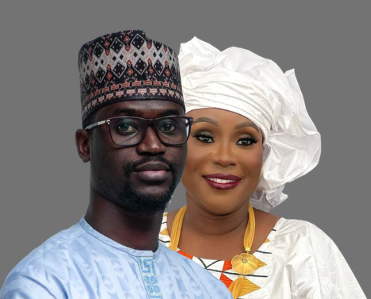
Under pressure President Adama Barrow on Monday started work with visits to electricity installations in Kotu and Brikama, after a night of spontaneous and widespread protests over the ongoing acute power outages across many parts of the country.
The protests started in Banjul where people carried lit candles as a symbol, chanting ‘bring back our lights’.
Some of the protesters even reached State House demanding answers to a long periods of blackout in the capital.
Almost immediately, similar protests erupted across many towns in the Great Banjul Area and beyond with some degenerating into violent clashes between protesters and the police, trying to disperse them.
Protests were reported in Bakau, Brikama, Brufut, Talingding, Busumbala, Bakoteh, Westfield among other places, some lasting until very late in the night .
In his first reaction to the Monday night’s events during the visits to power installations, President Barrow described the situation as “really unfortunate” and said it was not what his government wanted for Gambians.
“Electricity is not a quick fix,” he said, asking citizens to give his government more time to address the problem.
He urged Gambians to treat the crisis as a national security issue and an emergency.
The president also appealed for peaceful protests and dialogue, warning that street protests would not solve the problem.
He said new machines would arrive shortly and promised that the ongoing electricity problems would be addressed before the end of October.
The president said his confidence comes from the successful implementation of projects his government had initiated across the country, including roads, bridges, the OIC Highway, health facilities and other projects, which he said, are proofs that his government can deliver.
The president said he had faced and managed to tackle bigger challenges before, including projects that previous governments struggled to complete, promising also to use that experience, knowledge, resources and support to fix the electricity crisis.
Nawec MD Saidy explains
Meanwhile, the Managing Director of Nawec Galo Saidy said his company is working around the clock to restore stable power, and blamed climate change and the war in the Middle East for worsening state of the power challenges which he said is not unique to The Gambia.
He explained that The Gambia depends on power from Guinea and Senegal while also producing its own electricity.
“Guinea supplies around 70 to 80 megawatts during the same period last year, however lower rainfall has affected power generation from the dams this year. But Nawec is working 24 hours a day to install generators and reduce the pressure on the national grid,” MD Saidy said.
Both Barrow and Saidy urged Gambians to remain patient, promising that the country would return to normal power supply.
The leader of the opposition National Democratic Party, Kebba Madi Bojang, has said he is disappointed with the Gambia Police Force for allowing itself to be used by the governing National People’s Party (NPP) to intimidate political opponents.
Bojang made these comments on Kerr Fatou TV after he was summoned by the police to Farato and then to the Busumbala, to be told that they have instructions from the Ministry of Agriculture to confiscate fertiliser he imported and distributing to farmers across the country.
According to the NDP leader, he never imported any fertilser in the country and only bought it from an established, licensed fertilser importer. He argued that the importer’s address and identity is well known to the police and if the product has any problem that is where the police should go and not him.
Bojang, a former key youth leader of the NPP, alleged that the whole issue is a “politically motivated action” to prevent him from distributing fertilser to the farmers who are in need of it.
“This is something the Agriculture Minister and his people failed to do [distribute fertiliser to farmers]. They should have provided adequate fertilser to the farmers but they failed in their responsibility and are now trying to prevent me from helping farmers who are in need,” Bojang said, on his return from police questioning.
He said he refused to sign or provide any statement to the police insisting that he has nothing to answer and the police should instead seek answers from the company he purchased the fertiliser from. “How can any sensible person go after the buyer of a product for questioning about the quality or safety of the product, and not the importer who brought it into the country?” Kebba Madi asked.
He said the whole thing is a political machination by Minister Demba Sabally using state institutions like the Gambia police to intimidate political opponents of the NPP. “This is too cheap and embarrassing to both the minister and the police,” Kebba Madi said. He vowed to continue his distribution of fertiliser across the country. The police have not commented on their encounter with the NDP leader who was let go after his refusal to cooperate with them on giving a statement.
Agric minister Sabally explains However, Agriculture Minister Demba Sabally dismissed the NDP leader’s claim as “just a conjecture,” adding that the police only intervened following his refusal to cooperate with officials from the Customs Department, National Environment Agency (NEA), Department of Agriculture and the National Agriculture Research Institute (NARI) who visited his premises to seek answers about the source of the fertiliser.
Minister Sabally argued that the fertiliser has not undergone testing and verification by NARI, DOA or NEA while Customs have no records of its importation into the country.
He further stated that Kebba Madi was unable to provide any scientific evidence, laboratory test results or certification from a recognised laboratory demonstrating the validity of the product. “So we cannot allow untested and unverified fertiliser to be distributed to our farmers. We have no scientific evidence to prove that this is fertiliser. So up till now, it is just a chemical. So when we saw it on the NDP page, we dispatched a team but they were denied access to the warehouse where the fertiliser was kept and they could not see Kebba Madi or be given a sample and our records shows that there is no factory producing liquid fertiliser,” the minister said.
Minister Sabally added that since the NDP leader was not cooperating with the officials sent to him, it became necessary for police to intervene and “help us investigate the source of this fertiliser and other issues surrounding its safety and use.”
“The police involvement was not meant to target Kebba Madi, who was in fact one of us because we worked with him in the NPP. So we will not use our offices and powers to intimidate him because who knows, we could work with him tomorrow. I want to assure him that under my Ministry nobody will violate his right. We are ready to partner with anyone who wants to support farmers but let him give us a sample to go and test it. If it is proven that it is a good fertiliser, we will partner with him and support him in distributing it to farmers,” Sabally stated. The minister did not address Kebba Madi’s contention that he did not import the product but merely bought it from a licenced dealer who should be the one to answer questions about the chemical.
The National People’s Party (NPP) has warned that public frustration over electricity blackouts must not be weaponised to destabilise the country, adding that vandalism and political exploitation will only punish ordinary citizens, not politicians.
In a strongly worded statement signed by NPP Media and Communication Secretary Sulayman Camara, the ruling party acknowledged the hardship caused by Nawec’s failures but argued that protest should be done peacefully and responsibly.
The NPP said it understands the anger in homes, businesses, and schools.
“When electricity becomes unreliable, businesses suffer, families are inconvenienced, students struggle to study and economic activity is affected,” it stated.
“Citizens have every right to demand reliable public services and to express their concerns peacefully.”
But the party warned that frustration must never become “a license for vandalism, destruction of public infrastructure or criminality.”
“Destroying roads, public infrastructure, or national assets does not punish a political party. It ultimately imposes another financial burden upon the taxpayer,” the statement said.
The NPP used the crisis to defend President Adama Barrow’s record, calling the electricity expansion the biggest in Gambian history.
“For 52 years and through successive governments, reliable electricity was the proverbial elephant in the room. Entire communities grew accustomed to darkness,” it averred.
The party credited the Universal Access to Electricity programme and major investments for pushing national access to approximately 95%.
“Whatever one’s political affiliation, the expansion of electricity under President Barrow deserves acknowledgement. No administration in the history of our country has overseen a greater expansion of national electricity access,” it declared.
The party also cited subsidised meters, rural electrification, and regional energy integration through OMVG as proof that “that reality has changed dramatically.”
On the current crisis, the NPP blamed a mix of regional supply constraints on the OMVG interconnected system and domestic operational challenges at Nawec, including problems with generating equipment.
“Energy insecurity is not unique to The Gambia,” the NPP said, noting global pressures from fuel costs, ageing infrastructure, and growing demand.
The core of the NPP’s message was stability.
“The greatest national asset we possess is not a road, bridge, power station or government building, it is peace,” Camara said.
“That peace does not belong to President Barrow. It does not belong to the NPP. It does not belong to the opposition. It belongs to every family that wants to raise its children in a stable country. We must guard our peace jealously.”
The party accused political actors of exploiting the crisis and warned youth not to be “used as instruments of confrontation.”
“Let politics remain politics, peaceful protest remain peaceful protest, and criminality be treated as criminality,” the statement read.
The Ministry of Foreign Affairs, International Cooperation and Gambians Abroad convened its first meeting with former Gambian ambassadors and retired senior diplomatic executives on Monday, marking what officials described as the start of structured collaboration between past and present.
Minister Sering Modou Njie said the engagement was both symbolic and substantive, explaining that it honoured generations who built The Gambia’s diplomatic reputation as well as launching a renewed partnership to modernise the foreign service.
The minister outlined a strategic vision focused on institutional capacity, economic diplomacy, and stronger regional and multilateral engagement. “Priorities include a Foreign Service Reform Programme, establishment of a Foreign Service Academy, finalisation of a Foreign Policy Framework aligned to the National Development Plan, and enhanced diaspora engagement,” the minister said.
He also announced that key documents are being finalized including the Foreign Service Bill, Foreign Service Regulations, Posting Policy, Diaspora Strategy, Code of Conduct, and a Protocol and Consular Service Manual.
Minister Njie paid tribute to pioneering diplomats who have passed, and reaffirmed the Ministry’s commitment to preserving their legacy while building a more professional foreign service for the future.
Ambassador Ebrima Ousmane Ndure, chairman of the Interim Committee, said the gathering lays the foundation for the first Association of Former Gambian Ambassadors and Retired Senior Diplomatic Executives. He proposed the association serve as mentors, trainers at the planned Academy, and custodians of the service’s history.
Permanent Secretary Fatou Kinneh Jobe, who served as master of ceremonies, also described the meeting as long overdue and said the Ministry deeply values their institutional memory.
She noted that retirement does not mean the end of service, and called for practical collaboration in mentoring, training, and documenting diplomatic history.
The Gambia will join Soninke (Sarahule) communities around the world to mark International Soninke Language Day on September 25.
The day is celebrated each year to honour and preserve the Soninke language and culture across the world following its adoption and proclamation by the United Nations Educational, Scientific, and Cultural Organisation (Unesco) in 2023.
Addressing a press conference on the event Monday, the president of the national Sarahule body, Sumpoo Do Khati youth committee, Sheriff Marie Tambadou, said the importance of the day can be traced not only in the preservation of the Soninke language and culture, but also, in the role played by language and communication in the development of a people and communities.
In The Gambia, this year, celebrations will be held in Basse where a majority of the Soninke population live.
The theme is: “From Oral to Written: Making Soninke a Language of Production, Learning and Creation in the 21st Century.”
The day will be marked with community events, symposiums, exhibitions and cultural expositions.
“Many Soninkes and the public will travel to and converge in Basse to hold meetings, talks and a symposium; showcase our Soninke food, traditions and culture,” Tambadou said.
He added that as in the past two editions, a delegation from The Gambia will travel to Paris, France to join other Soninkes from different parts of the world to celebrate and commemorate this historical day.
According to Tambadou, also a respected lawyer, the celebration and event in Paris carries a special meaning for the Soninkes in The Gambia as it will be celebrated under the distinguished patronage of Abubakary Jawara, a well-known Soninke businessman and philanthropist, as the Patron and guest of honour.
He explained that the Soninke language is the second African Language accorded a recognised day by Unesco alongside Kiswahili. “We invite all the Soninke and people in The Gambia and around the world, to join us and celebrate this day with us,” he said.
Other speakers including Billay G Tunkara, the majority leader of the National Assembly and committee member as well as Yusuf Tunkara reiterated the significance of the day in showcasing the significant role of the Soninke language in the World and towards promoting peace and development across all sectors.
The United States government, through the US Embassy in Banjul and the Department of State’s Bureau of International Narcotics and Law Enforcement Affairs (INL), on Tuesday, September 8, launched a 24-month Forensic Investigation Enhancement Project worth $930,000 for The Gambia.
The programme will be implemented by the United Nations Office on Drugs and Crime (UNODC), in partnership with the Ministry of Justice and civil society organisations.
Chargé d’Affaires Robert Anderson delivered remarks at the launch event, underscoring the US Government’s support for The Gambia’s efforts to deliver justice and accountability for victims and their families.
“The United States is proud to support The Gambia as it strengthens its capacity to pursue justice, establish the facts, and provide answers to families who have waited so long,” he said.
The project directly responds to the findings of the Truth, Reconciliation and Reparations Commission (TRRC) on enforced disappearances and extrajudicial killings committed between 1994 and 2017. It supports the Government of The Gambia’s Special Accountability Mechanism, including the Special Prosecutor’s
Office, the Special Criminal Division of the High Court, and the forthcoming Ecowas-backed Special Tribunal. The initiative seeks to address gaps in The Gambia’s forensic and justice sector while helping build a modern criminal justice system.
To achieve these goals, the United States government will support the training of Gambian law enforcement officers and forensic experts who will pass their skills to others over the next two years. The project will also fund the upgrade of forensic facilities and equipment, including modern laboratories for DNA analysis, toxicology, digital forensics, and other essential services, and will assist the Ministry of Justice in establishing a Gambian team of forensic experts, working alongside a regional forensics champion, to identify human remains and determine causes of death.
Standardised operating procedures, protocols, and training manuals will guide forensic investigations, evidence handling, and crime scene management. These tools will also strengthen coordination among The Gambia Police Force, the Ministry of Health, the Ministry of Justice, the Special Prosecutor’s Office, and civil society partners, including the African Network against Extrajudicial Killings and Enforced Disappearances (ANEKED) and The Gambia Centre for Victims of Human Rights Violations.
This project builds on the longstanding partnership between the United States and The Gambia and our shared interest in security and stability, with institutions capable of delivering justice. Through INL, the US Government has long invested in strengthening the capacity of partner nations to investigate crime, uphold human rights, and deliver accountable justice. By helping The Gambia build sustainable, world-class forensic capabilities, the United States reaffirms its confidence in the Gambian people and their institutions. Its steadfast support for a justice system capable of serving the country for generations to come.
The European Vaccine Initiative (EVI) and the Medical Research Council Unit The Gambia at the London School of Hygiene & Tropical Medicine (MRCG at LSHTM) are pleased to announce the appointment of Professor Umberto D’Alessandro as EVI’s new Medical Director, effective 1 September 2026.
In his new role at EVI, Professor D’Alessandro will lead the organisation’s clinical trial unit and support the development and delivery of its growing portfolio of clinical research and vaccine development activities.
Professor D’Alessandro brings more than three decades of experience in malaria research, clinical research and epidemiology across Africa, Europe, South America and Asia. He began his career as a clinician in Benin and Kenya before moving into malaria research in 1990, when he was involved in evaluating The Gambia’s National Insecticide-Treated Bed Nets Programme. This work contributed to the evidence base supporting the World Health Organisation’s recommendation of insecticide-treated nets as a core malaria prevention tool.
He subsequently led one of the first phase 3 malaria vaccine trials in sub-Saharan Africa, evaluating the SPf66 vaccine, before heading the Unit of Epidemiology and Control of Parasitic Diseases at the Prince Leopold Institute of Tropical Medicine.
Professor D’Alessandro returned to the Medical Research Council Unit The Gambia at LSHTM in 2011 as Theme Lead for Disease Control and Elimination and became Unit Director in 2014. He served as Director for 12 years, until March 2026, providing strategic leadership during a period of significant growth and development in the Unit’s research portfolio and partnerships.
He continues to serve as a Senior Scientist at MRCG at LSHTM, where he leads a research portfolio focused on malaria eradication.
His appointment as EVI Medical Director provides an opportunity to build on his long-standing links with MRCG and to strengthen collaboration between the two organisations, particularly in clinical research, vaccine development and research addressing diseases of public health importance in endemic settings.
Professor Ed Clarke, Director of MRCG at LSHTM, said: “I am excited to wholeheartedly support Umberto in this new prestigious role as Medical Director at the European Vaccines Initiative (50% secondment). I know he also remains fully committed to the Unit and we hope this additional link with the EVI may open new opportunities for us as well. Wishing Umberto great success.”
Welcoming him to the role, the Chair of EVI’s Governing Board, Professor Samuel McConkey said: “It is a privilege to welcome Prof Umberto D’Alessandro to EVI. His leadership, proven track record and extensive experience with clinical trials in resource-poor settings will be critical to consolidate EVI’s expanding portfolio of vaccine development activities”
Prof. Umberto D’Alessandro brings a combination of clinical and epidemiology experience and research leadership to EVI. Having designed and run large-scale trials, he understands the operational realities of conducting rigorous clinical research in endemic settings. His expertise in malaria and other tropical diseases aligns closely with EVI’s long-standing work advancing vaccines to protect women and infants, and he will guide EVI’s growing portfolio of clinical studies.
Prof. D’Alessandro said: “I am grateful having been offered this opportunity to work with EVI and I am looking forward to it. I am convinced that my “double position” at the MRCG and EVI will provide great research opportunities for developing new vaccines against neglected diseases of public health importance.”
Prof D’Alessandro succeeds Dr. Sophie Houard, who over a 15-year tenure at EVI led clinical development and helped strengthen the organisation’s clinical trial capacity.
EVI and MRCG at LSHTM look forward to building on their shared commitment to high-quality clinical research and vaccine development and to strengthening collaboration that contributes to the development of safe, effective and affordable interventions for diseases affecting populations in endemic countries.
In the name of the Allah Almighty, the Ultimate Healer and the Sustainer of all life. True medicine is a sacred trust, a profound duty to alleviate human suffering, seek the root causes of our ailments, and restore balance to the body as naturally as possible. Yet, we live in an era where the human body is too often viewed not as a sanctuary, but as a source of recurring profit. This article seeks to illuminate the vital connections between stomach infections, structural digestive ailments, and the heavy reliance on imported pharmaceuticals in vulnerable nations. It is a call for deep diagnostic truth, organic prevention, and the ethical reformation of global healthcare.
Human health is a sacred trust, yet modern healthcare systems often prioritize management over true healing. A profound misunderstanding of the relationship between internal physiological dysfunction such as Helicobacter pylori (H pylori) infections and mechanical vulnerabilities like abdominal hernias frequently leads to premature surgical interventions and a lifetime of pharmaceutical dependency. This issue is particularly acute across West African nations, including The Gambia, Guinea-Bissau, and Sierra Leone, where a heavy reliance on imported medications can sometimes trap patients in cycles of chronic illness.
True medical justice requires a shift toward treating the root causes of disease, exposing unethical pharmaceutical practices, and embracing accessible, organic, and systemic preventative measures to protect public health.
Understanding H Pylori and its symptoms To heal the body, we must first understand the invaders that disrupt its harmony. Helicobacter pylori (H pylori) is a highly resilient spiral-shaped bacterium that specifically infects the stomach lining. It survives the stomach’s harsh, acidic environment by secreting an enzyme called urease, which neutralizes the acid immediately surrounding the bacteria.
Once established, H pylori damages the protective mucous coating of the stomach, allowing stomach acid to reach the sensitive underlying tissue.
Common symptoms include: · A persistent dull or burning pain in your abdomen, especially when the stomach is empty. · Frequent, excessive burping and severe bloating. · Nausea, loss of appetite, and sudden, unintentional weight loss. · In severe cases, dark, tarry stools or vomit that looks like coffee grounds (indicating bleeding ulcers).
The hernia misconception, separating infection from structural defect Many patients intuitively feel that their hernia was directly caused by an H pylori infection, as both conditions severely disrupt the smooth, proper work of the digestive system. I understand entirely why it feels this way, but we must medically separate the two to treat them correctly.
A hernia (such as a hiatal or inguinal hernia) is a structural defect or weakness or tear in the muscle wall that allows an internal organ (like the stomach or intestine) to push through. H pylori, conversely, is a bacterial infection. The bacteria does not eat through your abdominal muscles to cause a hernia.
How do they connect? While H pylori doesn’t cause physical tears, the intense digestive distress it creates such as chronic vomiting, severe gas expansion (bloating), and forceful coughing from acid reflux dramatically increases intra-abdominal pressure. This immense pressure can force an already weakened muscle to give way, effectively triggering or heavily aggravating a hernia. Furthermore, having both simultaneously creates a vicious cycle of agonising digestion.
The surgical reality and root cause diagnosis Before performing surgery on a hernia, we must address underlying stomach infections.
If a surgeon merely pushes the organ back into place and sews up the muscle wall, but the patient remains infected with H pylori, the surgery is doomed to yield unsatisfactory results. The lingering infection will continue to cause massive bloating, forceful burping, and acid reflux. This internal pressure will constantly strain the surgical mesh and stitches from the inside out, often leading to a painful recurrence of the hernia. Healing must be holistic; the environment of the stomach must be pacified before the structural walls can truly heal.
Pharmaceutical exploitation in West Africa The tragic reality in nations like The Gambia, Guinea-Bissau, and Sierra Leone is that over 70% of essential medicines are imported, leaving these healthcare systems highly vulnerable to pharmaceutical exploitation and the dumping of substandard drugs.
In these regions, countless imported medications directly target stomach and hernia-related symptoms primarily synthetic Proton Pump Inhibitors (PPIs) like Omeprasole, and harsh antacids. Instead of utilising targeted antibiotics to eradicate H. pylori or pursuing structural surgical fixes, the market is flooded with symptom-suppressants.
The cycle of dependency (addiction): 1. Symptom masking: These drugs artificially shut down the stomach’s acid production.
2. Permanent dependency: Patients become reliant on them daily just to function, creating a lifetime revenue stream for pharmaceutical companies.
3. Secondary diseases: Long-term, unnatural suppression of stomach acid prevents the body from absorbing vital nutrients (calcium, magnesium, Vitamin B12). This “addiction” to antacids leads directly to osteoporosis, severe kidney disease, and increased vulnerability to other deadly intestinal infections.
The cycle of imported pharmaceuticals and chemical dependency A vast majority of the medications distributed in The Gambia, Guinea-Bissau, and Sierra Leone are imported. While many are lifesaving, certain classes of gastrointestinal drugs can inadvertently foster permanent patient dependency and trigger secondary diseases if used indefinitely.
Major classes of gastrointestinal imports 4. Proton pump inhibitors (PPIs): Drugs designed to block stomach acid production to alleviate heartburn and ulcer pain. 5. Antacids: Over-the-counter chemical compounds imported in large quantities to neutralise stomach acid temporarily. 6. Prokinetics: Medications used to speed up gastric emptying to relieve bloating and indigestion.
The risk of permanent dependency and secondary illness When PPIs and antacids are used continuously to suppress symptoms rather than eradicating an underlying H pylori infection, they permanently alter the stomach’s natural environment.
Stomach acid is a vital primary defense mechanism. Eliminating it chronically causes: 1. Hypochlorhydria (low stomach acid): This allows opportunistic pathogens to survive, increasing the risk of severe intestinal infections like Clostridium difficile. 2. Malnutrition and bone weakness: The gut loses its ability to properly absorb essential minerals like calcium, magnesium, and vitamin B12, leading to osteoporosis and chronic fatigue. 3. Rebound hyperacidity: The body attempts to compensate for the drug by producing massive surges of acid whenever the patient tries to stop taking the medication, effectively addicting them to the drug just to avoid debilitating pain.
Unethical elements within the global pharmaceutical industry often treat human bodies in developing nations as continuous sources of earning money, prioritising lifetime symptom management over definitive, affordable cures.
Doable, organic, and natural preventative measures We can reclaim our health through natural, organic methods gifted to us by the Almighty, reducing our reliance on exploitative medical chains. Governments, media, and local stakeholders must promote these accessible remedies: 4. Mastic gum (mastika): A natural resin that has been clinically shown to inhibit and kill H. pylori bacteria while soothing the stomach lining. 5. Nigella Sativa (black seed oil): Revered in traditional medicine, black seed possesses powerful antibacterial and anti-inflammatory properties that protect the gastric mucosa. 6. Raw manuka or local pure honey: High-grade raw honey has potent antibacterial properties that help suppress H. pylori overgrowth. 7. Cabbage juice: Rich in Vitamin U (S-methylmethionine) and glutamine, raw cabbage juice is one of nature’s most effective healers for stomach ulcers and inflamed linings. 8. Probiotic-rich foods: Fermented foods (like natural kefir or unsweetened yogurts) introduce beneficial bacteria that outcompete H. pylori for space in the digestive tract. 9. Dietary restructuring: Eliminating refined sugars, processed seed oils, and artificial preservatives which feed harmful bacteria while practicing mindful, slow eating to prevent the swallowing of air that exacerbates hernia pressure.
Preventative measures for abdominal wall strength · Core stabilization exercises: Activating the transverse abdominis muscle naturally reinforces the internal abdominal wall, reducing the risk of hernia formation. · Proper lifting mechanics: Training individuals to lift using the lower extremities rather than straining the abdominal core minimizes sudden spikes in intra-abdominal pressure.
The role of government Governments must implement strict regulatory testing on all imported pharmaceuticals to eliminate counterfeit or hazardous substances. Furthermore, state funding should be directed toward integrating validated traditional herbal medicine with modern diagnostics, reducing foreign financial dependence.
The role of media Broadcasters and journalists must shift public messaging away from commercial pharmaceutical advertisements toward educational campaigns. Programming should emphasize clean drinking water access (the primary vector for H pylori), nutritional education, and the dangers of self-medication.
The role of other stakeholders and healthcare providers Medical associations and non-governmental organizations must champion affordable, doorstep-accessible diagnostic tools, such as urea breath tests or stool antigen tests. By accurately diagnosing infections early, communities can avoid both long-term drug dependencies and preventable surgeries.
Conclusion and prayers Medicine without morality is merely commerce; healing without compassion is an empty science. We must fight for a world where healthcare is a fundamental right, administered with dignity, deep understanding, and pure intentions.
May Allah Almighty bless all human beings in this world with a happy, healthy, and long life. May special protection, peace, and enduring vitality be granted to the people of the OIC, Palestine, Pakistan, Iran, The Gambia, Guinea-Bissau, and Sierra Leone.
I pray to Allah Almighty to completely destroy and render powerless all those non-state actors, corrupt entities, and their facilitators who use human bodies purely as a source to earn money those who deliberately spread disease, who intentionally hide the proper ways to cure human beings, and who refuse to provide proper diagnoses just to make the innocent suffer while they themselves enjoy lives of luxury. May those who know how to handle these crises but remain silent out of selfish interest face ultimate justice.
And may Allah Almighty infinitely bless, elevate, and protect all those noble souls who are creating genuine awareness, who stand up for truth, and who work tirelessly to provide real, affordable, and accessible healthcare solutions directly to the doorsteps of humanity. May they be shielded from harm, and may their efforts bring lasting light and healing to the world. Ameen.
Coach Johnathan McKinstry has announced a preliminary 35-man squad for Gambia’s upcoming 2027 Africa Cup of Nations qualifiers, against Somalia and Ghana.
The Scorpions will first play Somalia at home on September 25 and then play away in Ghana against The Black Stars, on the 29 September.
The match against Somalia marks the Scorpions’ return to The Independence Stadium after well over five years.
According to the Gambia Football Federation GFF, the coming international window is extended up to October 6, allowing countries to even play friendlies after the official qualifiers.
“Accordingly, negotiations and plans may be on for a potential friendly match at home on or before the October 6 deadline. However, this plan still needs to be confirmed,” the GFF said in a statement yesterday
Coach McKinstry meanwhile is already excited about the return of football at the Independence Stadium.
“For many of our players, it will be their first chance to represent The Gambia on home soil,” he told the GFF media.
“It has also been pleasing to see so many players start the club season strongly, with several delivering standout performances. That made selecting this preliminary 35-player squad difficult, and reducing it to the final group assembling in Banjul on 21 September will be even tougher. But that competition is a positive one. We know we will arrive with a group that is in form, highly motivated and ready to perform for The Gambia,” the coach added,
The Ministry of Youth and Sports has announced that Minister Bakary Badjie, has been elected Chairperson of the African Union Sports Council (AUSC) Region 2 Conference of Ministers.
A statement from MoYSE revealed that the election took place during a virtual meeting of the AUSC Region 2 Conference of Ministers held on 3 September where member states confirmed.
The Gambia to lead the Bureau of the Conference for the 2026-2028 term, succeeding Nigeria.
Guinea took the vice chairperson position while Cabo Verde was elected Rapporteur.
The newly constituted Bureau will be responsible for steering the affairs of the Conference of Ministers and providing leadership on regional cooperation and coordination in the field of sport for the two-year mandate.
AUSC Region 2 comprises 15 member states, namely Benin, Burkina Faso, Cabo Verde, Côte d’Ivoire, The Gambia, Ghana, Guinea, Guinea-Bissau, Liberia, Mali, Niger, Nigeria, Senegal, Sierra Leone, and Togo.
“The Ministry of Youth and Sports welcomes the confidence placed in The Gambia by fellow member states and reaffirms its commitment to working collaboratively with all AUSC Region 2 countries to promote the development of sport, strengthen institutional cooperation, and advance shared regional priorities”.
Across The Gambia’s rural communities, farmers are over the moon anticipating another successful farming season attributed to the quality and affordable fertiliser supplied by government.
While challenges remain, farmers in Medina Daru and Njaba Siyan say government support for agriculture is important to helping them improve production and strengthen their livelihoods.
Though they appreciate the fact that fertiliser is D1600 cheaper in The Gambia compared to neighbouring Senegal, they want to see further improvement in the availability and affordability of fertiliser.
The farmers acknowledge efforts being made to support the agricultural sector but are appealing for continued assistance, particularly in ensuring that fertiliser reaches rural communities early and at prices farmers can afford.
For Yaya Joof, a farmer in Medina Daru, reducing the cost of fertiliser would provide important support to farmers working with limited financial resources.
“We appreciate government support but if they can help us reduce the price of fertiliser, it would be good for us,” Joof said. “Because, like me, I have no much resources to buy many bags of fertiliser even though the price is fairly reasonable.”
Joof’s concern reflects the financial pressure faced by many smallholder farmers.
Agriculture requires investment before farmers can expect returns from their crops. Farmers have to prepare their fields, obtain seeds, pay for labour and purchase inputs such as fertiliser.
For farmers with limited resources, the cost of fertiliser can determine how much they are able to purchase and use on their farms.
Joof believes continued government support in reducing the cost of fertiliser would make it easier for farmers to invest more in their fields and improve their chances of achieving better harvests.
In Medina Daru, another farmer, Sayarr Mboob, also highlights the importance of early access to fertiliser.
“If fertiliser can come early and its price be reduced, it would help us,” Mboob said.
His comments point to the importance of timing during the farming season.
Farmers need agricultural inputs when they are ready to use them, making timely distribution an important part of agricultural support.
Mboob also recognises the efforts being made by the government to support farmers.
“The government is trying,” he said.
However, he believes bringing fertiliser to rural communities early would further strengthen the support already being provided.
“If they can help us with bringing the fertiliser early, it would be good,” he said.
For farmers, timely access to fertiliser can make it easier to plan their farming activities and use available inputs during the appropriate period.
Mboob also raises the issue of groundnut prices. He says an increase in the buying price of groundnuts would benefit farmers who invest considerable time and money in producing the crop.
“Farming is painful,” he said.
His concern reflects another important part of farming. Farmers need reasonable returns after spending months preparing their fields, planting, maintaining their crops and waiting for harvest.
The cost of production and the price farmers receive for their crops are closely connected.
If farming inputs become expensive, farmers need sufficient returns from their produce to recover their costs and support their families.
In Njaba Siyan, Fatou Ceesay is also calling for continued government support, particularly in ensuring early delivery of fertiliser.
“If fertiliser can be brought early so farmers can get it, it would be good,” Ceesay said.
She appealed to the government to make early fertiliser supplies a priority for the next farming season.
Ceesay’s appeal is focused on ensuring that farmers in rural communities have access to the inputs they need when they need them.
For her, early access would help farmers plan their activities and make better use of the support available to them.
Sulay Sinyan, also from Njaba Siyan, makes a similar request.
“If they can bring fertiliser to us early that would help a lot,” Sinyan said.
Her statement reflects the importance farmers place on having agricultural inputs reach their communities.
The concerns raised by the farmers do not mean they reject the support being provided. Instead, they are asking for that support to continue and improve.
For smallholder farmers, government assistance can help reduce some of the financial pressure associated with agricultural production.
Fertiliser remains one of the major costs they have to consider during the farming season.
Lower prices would allow farmers with limited resources to purchase more, while earlier distribution would give them better access during the period when the fertiliser is needed.
The farmers also want stronger returns from their produce.
Mboob’s call for an increase in the buying price of groundnuts shows that farmers are looking beyond production costs. They want to ensure that after investing their time, labour and money in their farms, they can earn enough from their harvest.
This is important for the future of smallholder farming. Farmers need affordable inputs when they are producing, but they also need reasonable prices when they sell their crops.
The farmers interviewed in Medina Daru and Njaba Siyan therefore have several requests for the government.
Joof wants the price of fertiliser reduced so farmers with limited resources can buy enough for their fields.
Mboob wants fertiliser to arrive early and become more affordable. He also wants farmers to receive a better buying price for groundnuts.
Ceesay wants fertiliser delivered early so farmers can access it on time.
Sinyan wants fertiliser brought to farmers in her community.
Together, their views show that farmers see government support as an important part of improving agricultural production in rural communities.
Their comments also suggest that practical improvements in the supply of fertiliser could have a direct effect on farmers’ ability to prepare and cultivate their fields.
For rural households that depend on agriculture, every farming season brings both opportunity and risk. Farmers invest before they know what the final harvest will bring. They therefore need support that can reduce the cost of production and help them make the most of their land.
The farmers’ acknowledgement of government efforts is important. Mboob specifically says the government is trying, while the other farmers focus on what they would like to see improved.
Their appeals are therefore not simply criticisms. They are requests for continued attention to the needs of farmers and for improvements that can make existing support more effective.
As another farming season unfolds, farmers in Medina Daru and Njaba Siyan remain hopeful that their concerns will receive attention.
They want fertiliser to be affordable. They want it to arrive early. They want it to reach rural communities without delays. And they want better returns from the crops they produce.
For farmers who depend on the land for their livelihoods, these measures could reduce some of the pressure they face and help them plan their farming activities with greater confidence.
President Bassirou Diomaye Faye, launching the “Dundal JOJ” initiative, announced to the nation that the Senegal Solidarity Foundation, founded by his wives, will contribute half a billion CFA francs to the Youth Olympic Games. This includes 200,000 tickets for schools and associations — in short, for children from disadvantaged neighbourhoods — so they can participate in the festivities. “The First Lady has instructed me to inform you that she will contribute 500 million CFA francs through the Senegal Solidarity Foundation.”
This statement immediately echoes another from a sitting president: “Karim, I’ll tell your mother you’ve done a good job.” Former President Abdoulaye Wade was speaking to his son, Karim Wade, after learning about the progress of the construction projects for the OIC summit. We know what happened next. Karim Wade found himself at the heart of state affairs, with a ministerial portfolio that earned him the nickname “Minister of Heaven and Earth”.
In a scholarly article on Marième Faye Sall, researchers Ibrahima Sarr and Mouminy Camara reminded us that “there is no single role of First Lady, but rather diverse interpretations of her place, status, and duties.”
By agreeing to act as a spokesperson for the first ladies, President Bassirou Diomaye Faye opened the door to all sorts of interpretations regarding the status and power of his wives. He sent a message to “generous donors” who might think they can leverage the real or perceived influence of the president’s wives to advance a cause. One thing is certain: his statement will fuel the debate on the role of first ladies within the circle of power.
Furthermore, President Bassirou Diomaye Faye is giving his opponents ammunition regarding political or special funds. Indeed, the foundation was launched in April 2026, just five months ago. How could this newly-established organisation have found half-a-billion CFA francs for the Youth Olympic Games alone, not to mention other initiatives already underway, such as the 53 mills distributed by Marie Khone Faye in the Fatick region? Especially given the current economic downturn.
Adding to these questions is the timing. Bassirou Diomaye Faye made the announcement in a context where Senegalese people are loudly and clearly expressing their dismay at the high cost of living. His message, coming the day after the march against high prices, sounds like a sign of contempt for the people. But it may also send the wrong message to international partners who are demanding greater transparency in the management of public funds.
“His powers are more extensive than those of the Prime Minister.”
The statement by Bassirou Diomaye Faye brings back painful memories for Senegalese people, memories they thought had been buried for good. Indeed, with Wade’s rise to power, Karim Wade unofficially served as his father’s advisor for the first two years. His sister, Sindjély, was Wade’s assistant and already had the power to decide who should be minister of sports. According to Abdou Latif Coulibaly, Wade’s daughter imposed Youssoupha Ndiaye on the Ministry of Sports, bypassing Joseph Ndong, whom she had even replaced during the 2002 World Cup.
Karim, for his part, was officially appointed advisor to the president in April 2003. In his book, Wade, an Opponent in Power: The Trapped Alternation, Abdou Latif Coulibaly finds the statement specifying that he did not hold ministerial rank “irrelevant.” He wrote: ”Karim’s powers are more extensive than those of the prime minister, because they are not constitutional. Therefore, they have no limits other than those drawn by Abdoulaye Wade.”
The investigative journalist added that Wade’s son “believes that his blood ties grant him power that sometimes gives him absolute control over priority sectors of the state administration.”
Viviane Wade was also involved through her foundation. Hence the feeling of a monarchical management of the state, to the point of considering a transfer of power with the infamous June 23rd ticket.
With Wade’s departure from power, this phenomenon was thought to be a thing of the past, especially since the first two presidents had refrained from involving their families in state affairs. But disillusionment soon set in. With Macky Sall, we move from a monarchy to a dynasty: the Faye-Sall dynasty, named after King Faisal of the House of Saud in Saudi Arabia.
Three figures embodied this dynasty: Marième Faye Sall, her brother Mansour Faye, and Aliou Sall, the president’s brother. Marième Faye wielded all her influence over her husband. She played an unofficial but dominant political role, both within the party and the state. We still remember Mbagnick Ndiaye’s admission that he owed his appointment to Marième Faye. According to Sarr and Camara, her foundation was used to bolster her husband’s image, whose popularity had been tarnished by a series of betrayals and the promotion of political opportunism.
Marième Faye Sall’s influence is primarily measured by the prominence of her brother, Mansour Faye: “General Delegate for National Protection and Solidarity (2012-2014), Mayor of Saint-Louis (since 2014), Minister of Water and Sanitation (2014-2019), and Minister of Community Development, Social and Territorial Equity.” This last ministry is reminiscent, in many respects, of Karim Wade’s mega-ministry. It is no coincidence that Mansour Faye was in the crosshairs of public opinion and the current authorities before a political shift occurred following a split within Pastef.
As for Aliou Sall, he was accused of enriching himself through the signing of oil contracts. Following this controversy, his brother, the president, made a solemn commitment: “I never involve my family in the running of the country. If my brother has been implicated in private company affairs, it is because I made it very clear to him, from the moment I took office, that he would never receive a decree of appointment from me, particularly given Senegal’s recent history and because I did not want to be accused of nepotism. I even advised him, at the time, to look into the private sector.”
This advice led Aliou Sall to head the Caisse des Dépôts et Consignations (CDC) with the help of a decree from his brother, Macky Sall.
Today, it is Bassirou Diomaye Faye who is reviving the debate with this message from the First Lady, which he carried, in such a particular context.
On 31st August, the leaders of China, Russia and India met in Bishkek for the annual summit of the Shanghai Cooperation Organisation. Iranian President Masoud Pezeshkian was also in attendance.
The final declaration of the summit issued on 1st September called for the creation of a new development bank, which in Russian President Vladimir Putin’s words would have “maximum independence from the financial systems of the states which weaponise economic tools in order to obtain unilateral advantages in international affairs”.
The summit was held just a week after the United States announced the latest package of sanctions against Iran, which instead of isolation, enjoyed a warm welcome in Bishkek.
As the SCO gathering demonstrated, Washington is already facing major difficulties in ensuring international compliance with its sanctions.
Perhaps its biggest challenger is China. Beijing is once again standing by Iran – not out of moral or ideological motivations, but because it can and because it is in its interest.
Toothless sanctions By purchasing 90 percent of Iranian oil exports, China has single-handedly kept the Iranian economy afloat – all while evading the US sanctions through a sophisticated network of “dark fleets” (ships used to obfuscate the Iranian origin of their cargo) and “teapot” refineries (private refineries so dubbed for their relatively modest size).
In response to Washington’s “with us or against us” ultimatum on the sanctions, the Chinese foreign ministry spokesperson said that “China will do everything necessary to firmly safeguard its rights and interests”. Having fought several trade wars with the US to a standstill, China has developed a high tolerance for US-inflicted economic pain – and an equally low tolerance for being pushed around.
For Beijing, foreign interference in bilateral trade relations with a third country is not acceptable. More importantly, it views Washington’s threat as toothless – and for good reason.
China is well insulated from the US’ Iran-related secondary sanctions. Chinese banks and companies that do business with Iran often do so exclusively, settling transactions in renminbi or through barter – making them effectively immune to US extraterritorial jurisdiction.
Meanwhile, the handful of Chinese companies that still settle transactions in US dollars are hidden beneath layers of shell companies that can be discarded at little to no cost. This forces Washington into an endless game of regulatory whack-a-mole, in which each entity successfully eliminated is quickly replaced by another.
Washington could, of course, sanction major Chinese banks and companies that have no ties with Iran – using them as a bargaining chip to pressure Beijing to rein in those that do. Doing so, however, would invite Beijing to retaliate in kind. With the US economy already strained by the war with Iran and the midterms just around the corner, picking a fight with China is the last thing the US needs.
Iran must not lose Toothless US sanctions aside, China has another motive for standing by Iran’s side: its defeat could be costly for Chinese geopolitical and economic interests.
From Beijing’s perspective, should Iran lose, the entire Middle East would gravitate back into the US orbit. Regional countries currently exploring alternative security partners would have little choice but to seek refuge once more under the US security umbrella.
Such a shift would not only deal a heavy blow to China’s growing influence in the region but also complicate future cooperation on advanced technologies, including 5G, artificial intelligence, and defence.
Worse still, China’s energy interests could be threatened. The country sources 40 per cent of its oil imports from the Gulf, with Iran accounting for 10 per cent. With such a significant chunk of oil imports originating from countries under US influence, China’s economic lifeline would effectively lie in US hands.
A victory in Iran would also embolden Washington to continue its pursuit of regime-change in other countries that have close ties with Beijing.
This would make it increasingly difficult for China to protect its interests overseas, as was the case when Panama seized two Chinese-operated ports under US pressure.
China’s caution That said, China does not see itself in a tight alliance with Iran – hence its reluctance to ramp up support.
It is worried that a total victory for Iran would enable its regional hegemony, driving yet another wedge in the already strained relationship with the Gulf states, and further undermining years of Chinese diplomatic efforts aimed at bridging that divide.
Therefore, Beijing is maintaining a calibrated distance from Tehran – not too hot, not too cold, but just right. The fact that Pezeshkian is yet to be invited to Beijing makes it clear the Chinese authorities are not eager for a tight embrace.
This was apparent at the SCO summit as well. The Chinese leader met with his Russian and Indian counterparts, but did not have a formal meeting with Pezeshkian. There were formal consultations at the level of foreign ministers.
The message is subtle yet unmistakable: Though Beijing values the relationship, it is keeping its distance.
Balance with Washington When considering the China-Iran relationship, it’s important to remember that relations with the US, although often fraught by rivalry, are very important for Beijing.
Resetting of China-US relations takes priority, which is why two high-level summits are taking place this year: The first one was US President Donald Trump’s visit to Beijing in May, and the second is Xi’s trip to Washington later this month.
During Trump’s visit to China this May, he and Xi announced that the two countries had agreed on building a “constructive China-US relationship of strategic stability” – one where cooperation takes centre stage, competition is kept within bounds and never descends into zero-sum games, and war is to be avoided at all cost.
In this context, providing too much support to Iran would be counterproductive – which is why Beijing has stayed out of the war and has pledged not to arm Iran. This is clearly appreciated in Washington. In June, Trump thanked China publicly for remaining “totally neutral”.
At the same time the Trump administration is well aware of China’s economic interest in Iran and was likely not surprised to hear its position on the new sanctions.
The only way out of this self-inflicted predicament is for Washington to shed its hegemonic mindset and return to the negotiating table – anything less will only prolong the misery – both for itself, and for the world at large.
Yang Xiaotong is a researcher at the Horizon Insights Centre.
I have known Marr Nyang as a young, hardworking, and highly committed professional with an impressive dedication to transparency, accountability, and good governance. He is among the few young Gambians who started an organisation from virtually nothing and built it into a reputable national and international organisation.
Under his leadership, Gambia Participates has made significant contributions to democratic governance, transparency, and accountability. In February 2026, the organisation won the CSO of the Year Award, among other recognitions. Marr himself has received international recognition for his work in the fight against corruption in Qatar in December 2025. His achievements and leadership have made him an inspiration and role model for me and many young Gambians.
It is precisely against this background that I am deeply disturbed by the revelations concerning his engagement with the Golden Era Party (GEP). Having reviewed the information made public so far by Marr, Neneh Cheyassin Kebé and the media, my conclusion is that Marr made a serious error of judgment by engaging with a political party and politicians in this manner, regardless of whether the engagement was undertaken through a separate private consultancy company and regardless of whether Gambia Participates was directly involved.
The fundamental issue is not simply whether Gambia Participates participated in the particular assignment. The issue is the potential and perceived conflict of interest created by Marr’s simultaneous executive involvement in two entities whose work intersects with the same political actors but serves fundamentally different purposes.
As founder and executive director of Gambia Participates, Marr leads an organisation whose work directly concerns elections, political parties, transparency, and accountability. Gambia Participates conducts election observation, monitors political parties and candidates, undertakes opinion polling, and engages in broader governance and accountability work. Political parties, politicians, public institutions, and public officials are therefore among the legitimate subjects of its scrutiny.
This creates an obvious conflict, or at the very least a serious appearance of conflict, when the same person is also involved at an executive and decision-making level in a private consultancy firm that provides political messaging, strategy, or related services to a political party. Put simply: Marr cannot reasonably occupy both sides of the fence.
On one side is Gambia Participates, whose mandate includes observing elections and monitoring the conduct of political parties and politicians. On the other is Projects and Results Consulting, through which he is involved in providing services to a political party that could itself become a subject of Gambia Participates’ monitoring and scrutiny.
That creates the uncomfortable situation of one individual effectively serving two masters: Gambia Participates on one hand and Projects and Results Consulting on the other, with both potentially engaging with the same political actors from fundamentally different positions.
It is therefore not sufficient to argue that the consultancy is a private company and that Gambia Participates had nothing to do with the particular engagement. The relevant question is not merely whether organisational resources were shared or whether Gambia Participates formally participated. The question is whether Marr’s simultaneous roles create an actual, potential, or perceived conflict of interest capable of undermining public confidence in the independence and impartiality of Gambia Participates and Marr himself.
For an organisation whose most valuable asset is public trust, perception matters enormously.
Imagine, for example, that Gambia Participates conducts election observation involving the same political party for which Marr, through his private consultancy, has helped develop political messaging or campaign tools. Even if the two entities maintain separate finances, staff and operations, reasonable citizens could legitimately question whether the monitoring organisation is genuinely independent.
That is precisely why individuals occupying leadership positions in civil society organisations must exercise an especially high degree of caution when undertaking outside commercial or political engagements.
I do not believe this controversy necessarily impugns Marr’s entire record or erases the important work he has done. Nor do I believe that every allegation being made against him should automatically be accepted as true. But the judgment involved in accepting such an engagement in the first place was, in my view, seriously flawed. And the consequences extend beyond Marr personally.
The controversy risks undermining the credibility and legitimacy of Gambia Participates, an organisation that has earned considerable public respect. More broadly, it provides ammunition for those seeking to discredit civil society organisations and portray civil society actors as politically compromised or self-serving.
This is particularly dangerous because the independence and credibility of civil society are essential to democratic accountability. Once citizens begin to believe that organisations established to monitor power are themselves working for political interests, the entire accountability ecosystem suffers.
Marr therefore has an important decision to make, and so does the leadership of Gambia Participates. In my view, there are essentially two credible options.
First, Marr should withdraw from or permanently close the consultancy firm’s political work and concentrate exclusively on Gambia Participates and its governance, transparency, and accountability mandate.
Second, if he wishes to continue operating the consultancy firm and providing services to political parties or other actors who fall within the scope of Gambia Participates’ monitoring work, then he should seriously consider vacating his leadership position at Gambia Participates in order to protect the organization’s independence and reputation. Either option taken, he must also face the nation to explain himself.
There may be other ways of managing the conflict, but they would need to be exceptionally robust, transparent, and credible to the public. Ultimately, this is not simply about Marr Nyang. It is about institutional integrity, public trust, and the standards we expect from civil society organisations, advocates and activists that claim to hold power accountable.
Marr has built something valuable. Gambia Participates has earned a reputation that many organisations would take years to establish. That reputation should not be placed at unnecessary risk because of an avoidable conflict of interest.
My position therefore comes not from a desire to diminish Marr or Gambia Participates, but from precisely the opposite concern: that the integrity, credibility, and independence they have worked so hard to build must be protected. The choice of how to resolve this matter is ultimately theirs. But whatever path they choose, it should put institutional integrity and public confidence above personal or commercial interests. Marr Nyang must remember that whatever happens, the Gambia Participates is his bona fide legacy which he must cherish and protect.
‘If the proposed National Research Development and Innovation Council Bill, 2026 seeks to subject research to government authorisation or otherwise restrict what research can be conducted, then it would represent a deeply undemocratic assault on freedom of inquiry, knowledge production, and access to information. This is deeply worrying, but, given the trajectory of recent government initiatives, it is unfortunately not surprising.’
Once again, the government’s troubling intention to move The Gambia towards greater authoritarian control has been exposed. According to the Minister of Information, Dr Ismaila Ceesay, the government is considering requiring government authorisation for the conduct of research, including opinion polls.
“Anybody can come into this country, go to any village, start interviewing people, start collecting their data, start doing research which is not acceptable, and so on and so forth,” Dr Ceesay said. “We are trying to regulate that to ensure that all research that is done in this country is in line with legal frameworks.” Kerr Fatou -(https://www.kerrfatou.com/information-minister-says-opinion-polls-could-require-approval-under-proposed-research-council/)
Nothing could be more draconian or more fundamentally incompatible with a democratic society.
Research is an essential component of academic freedom and forms part of the broader freedoms guaranteed by the Constitution and international human rights law. Government has no legitimate business deciding who may conduct research, what questions may be asked, who may be consulted, or when research may be undertaken.
Research, including opinion polling, is fundamentally about gathering information, generating knowledge, understanding society, informing public policy, planning, development and strengthening democratic governance. It may be undertaken by individuals, academic institutions, businesses, civil society organisations, political parties, media organisations and other public or private entities.
The idea that citizens or institutions must first obtain government permission before conducting research is therefore not regulation, rather it is control. If the proposed National Research Development and Innovation Council Bill, 2026 seeks to subject research to government authorisation or otherwise restrict what research can be conducted, then it would represent a deeply undemocratic assault on freedom of inquiry, knowledge production, and access to information. This is deeply worrying, but, given the trajectory of recent government initiatives, it is unfortunately not surprising.
I call on researchers and all institutions and individuals engaged in research such as universities, public institutions, private businesses, civil society organisations, political parties, media organisations, and independent researchers, to reject any attempt to place research under government authorisation and political control. We must not allow the government to tell us where to look, whom to ask, what to question, or when we may seek answers.
Research is not a privilege granted by government. The freedom to inquire, investigate, question, and generate knowledge is fundamental to a free and democratic society. History demonstrates that only authoritarian governments seek to control research precisely because independent research can expose uncomfortable truths, challenge official narratives, reveal corruption and mismanagement, and empower citizens with knowledge.
A government that controls the questions ultimately seeks to influence the answers. A government that controls information ultimately seeks to control public understanding.
The Gambia must not go down that road.
THE BILL MUST BE MADE PUBLIC! I call on the government to immediately publish the National Research Development and Innovation Council Bill, 2026 and make it freely accessible to the public for thorough scrutiny and consultation. In particular, I call on the Minister of Information, Dr Ismaila Ceesay, Minister of Higher Education, Research, Science and Technology, Professor Pierre Gomez, and Minister of Justice, Dawda Jallow to publicly release the bill through their official websites, social media platforms and every other appropriate public channel.
There can be no meaningful public participation in lawmaking when citizens are denied access to the proposed law. Laws belong to the people and must be made with the participation of the people. There is no democratic legitimacy in keeping legislation within the corridors of power and then presenting it to citizens as a fait accompli.
The government must therefore provide the public with immediate and unfettered access to the Bill and allow sufficient time for researchers, academics, civil society, professional bodies, businesses, political parties, media organizations, and ordinary citizens to examine and respond to it.
The Gambia does not need laws that tell citizens what they may research. It needs institutions that can withstand scrutiny, citizens who can ask difficult questions, and a government confident enough to allow the truth to be investigated.
We must resist every attempt to shrink democratic space, whether through control of the media, control of information or control of research. A government that fears questions will eventually seek to control the people who ask them. The Gambian people must not allow that to happen.
The visit by White House envoys Steve Witkoff and Jared Kushner to Moscow and Kyiv has left more questions than answers. Details of what was discussed in both meetings are scant, but all participants seem to describe them as “positive”.
It is indeed a positive development that US President Donald Trump is trying to jump start negotiations at this point. The biggest problem he faces is that Russia’s position has only hardened.
Russia wants Ukraine to be genuinely neutral, with no Western military presence, open or clandestine. It wants to keep previously occupied territories and it insists that Ukraine withdraw from the small part of Donbas that remains in its hands.
Moscow demands a cap on the size of the Ukrainian army and on the types of weapons it may possess. It also wants far-right units and paramilitary groups disbanded and outlawed, the legislation limiting the use of the Russian language cancelled and elections to be held in which Russia-friendly parties could compete freely with the pro-Western ones.
For Ukraine and its European backers, this would be a hard pill to swallow, all the more so after spending the summer trying to convince the European public and Trump that the “tide is turning” in the war.
As evidence, Ukrainian and Western officials have repeatedly pointed to the Russian offensive slowing down and Ukraine intensifying strikes deep within Russian territory, targeting oil facilities and causing fuel shortages across the country.
The campaign against Russian energy infrastructure was meant to coerce Russian President Vladimir Putin into accepting peace on conditions more favourable to Ukraine.
But the opposite has happened. Russia’s negotiating position is now even less open to compromise. The land swap, once eyed as a way to compensate Ukraine for its withdrawal from the Donbas region, is now out of the question.
Meanwhile, the Kremlin has launched its own devastating campaign of strikes aimed at collapsing Ukraine’s economy. In addition to shutting down exports of Ukraine’s main commodities, grain and ore, through Odesa ports, Russia is also methodically destroying logistical hubs and warehouses owned by large retailers as well as large-scale industry, from metallurgical plants to beverage factories.
This is the point when Trump’s peacemaking duo resurfaced on the Russo-Ukrainian front after a protracted absence. The very fact that Kushner and Witkoff embarked on this trip and were received by Putin personally signals a change of tack in Washington.
Dear Editor, I was thrilled to meet Honorable Madi MK Ceesay last month in The Gambia at the Sir Dawda Kairaba Jawara International Conference Center, where we had an engaging one-on-one discussion about governance in The Gambia and, more importantly, the contributions that individuals like him can make to the country by drawing on their vast professional experiences. Hon Ceesay’s career spans journalism, politics, lawmaking, and authorship, giving him an unusually broad vantage point from which to reflect on governance and international affairs. He was equally pleased with our encounter and generously shared two of his books with me. I subsequently took time to read both publications, but I have decided to offer a brief reflection on Africa–China Relations: Building a Shared Future Through Partnership and Cooperation. I commend Hon Ceesay for the courage, intellectual acuity, and commitment to African knowledge production demonstrated in undertaking this timely work. At a moment when Africa is navigating an increasingly multipolar international system, a book examining the continent’s relationship with China is both relevant and necessary.
One of the book’s most important contributions is that it makes the subject of Africa–China relations accessible beyond the confines of academia. This is particularly valuable because discussions of China’s expanding engagement with Africa often remain confined to academics, diplomats, economists, and foreign-policy specialists. Ceesay helps bring these questions into a broader public conversation. The book therefore has potential value not only for students at the University of The Gambia and other African universities, but also for parliamentarians, civil servants, journalists, diplomats, civil society organizations, and policymakers. Its emphasis on partnership and cooperation encourages readers to think seriously about how African states can engage China while protecting their national interests. In this respect, the book can serve as an important bridge between academic debates and the practical realities confronting African decision-makers.
Theoretically, however, the analysis could be strengthened by engaging more systematically with competing explanations of Africa–China relations. The concept of “partnership,” for example, deserves deeper analytical interrogation. What constitutes an equal partnership when the parties possess substantially different economic, technological, and geopolitical capabilities? How much bargaining power do individual African states actually exercise in their negotiations with China? The book could engage more explicitly with theories of dependency, South–South cooperation, economic interdependence, international political economy, and, importantly, African agency. Such engagement would allow the analysis to move beyond the often polarized debate in which China is presented either as Africa’s benevolent development partner or as another external power primarily interested in extracting African resources. The empirical reality is considerably more complex. China can be a lender, investor, infrastructure developer, trading partner, diplomatically, and strategic actor, while African governments remain active participants in negotiating the terms and consequences of these relationships.
This theoretical discussion points to an important empirical area for further development. The arguments would benefit from more systematic comparative evidence showing when, where, and under what conditions Chinese engagement yields positive development outcomes and when it produces unintended or adverse consequences. Comparative cases from The Gambia, Senegal, Ethiopia, Kenya, Zambia, Angola, or other African countries could illuminate variation in infrastructure investment, debt exposure, employment creation, resource extraction, technology transfer, local procurement, and institutional accountability. Greater attention could also be paid to variation among Chinese actors. The Chinese government, policy banks, state-owned enterprises, private companies, and individual entrepreneurs do not necessarily share identical interests or behave uniformly across African countries. Likewise, “Africa” should not be treated as a single political or economic actor. African states have varying institutional capacities, resource endowments, political systems, and bargaining positions, all of which shape their relationships with China.
For policymakers, perhaps the most consequential question emerging from Ceesay’s book is not simply “What is China doing in Africa?” but “How are African governments negotiating with China, under what institutional conditions, and in whose interests?” This distinction matters enormously. External partnerships do not automatically produce either development or dependency. Their consequences are mediated by domestic institutions, leadership choices, transparency, regulatory capacity, and governments’ ability to negotiate and enforce agreements that serve broader national interests. African policymakers must therefore think beyond the immediate availability of loans, infrastructure, or investment and ask whether agreements generate employment, strengthen domestic industries, facilitate technology and skills transfer, protect strategic national assets, and create sustainable long-term economic benefits.
Overall, Hon Madi MK Ceesay deserves considerable commendation for contributing his voice and experience to this important conversation. Writing a book on Africa–China relations require intellectual courage because it enters one of the most consequential and contested debates about Africa’s place in the contemporary international order. The areas identified above should therefore be understood not as diminishing the work’s importance, but as opportunities to extend the conversation the book has initiated. Future editions or subsequent research could deepen its theoretical foundations, incorporate more comparative empirical evidence, and more systematically examine differences across both African and Chinese actors. For students at the University of The Gambia, the book should inspire critical inquiry rather than passive acceptance of either pro-China or anti-China narratives. For policymakers and the wider African public, its broader significance lies in encouraging Africans to think seriously about their own agency. Ultimately, the future of Africa–China relations should not be defined simply by what China wants from Africa, but increasingly by what African states and societies want from China, and whether they possess the institutions, knowledge, and bargaining capacity to secure it.
The Minister of Local Government and Lands Hamat Bah yesterday told the National Assembly that The Gambia does not own the land where the Bulock military barrack fence was erected, adding that the site instead belongs to Senegal.
In July, a contingent of heavily armed Senegalese soldiers put the fence down. The Senegalese government said the act was designed to draw attention to wider unresolved border issues between the two countries.
Answering questions on the incident and other border issues with Senegal yesterday, Minister Bah clarified that it has been confirmed and affirmed that the location of the fence was in Senegal.
“We don’t own where we put the structure on. We built it on Senegalese land and we have affirmed that. So those who are misinforming Gambians that the Senegalese are taking our territories are misleading people. Nobody is taking anybody’s land. We are just affirming where the pillars are. So let me assure you there is no land cheating in this,” Bah said.
He added that as a responsible government, they will do what it takes to protect the integrity of The Gambia but in this case, Senegal is not taking any Gambian land. “All what we are doing is reaffirming our border position to make sure we all know what, or where belongs to us,” the minister said.
He said The Gambia now has got equipment that will help in determining her borders with Senegal. “So where there are no makers, the instruments we have now will determine and these instruments cannot fail, because our experts are trained. Our people are safe. Our country is safe but we must address these border issues once and for all,” Bah said.
He said both President Barrow and his counterpart Diomaye Faye want to amicably resolve the issues surrounding the border.
“In this vein I must commend opposition leader Ousainu Darboe for appreciating government efforts in addressing the matter which demonstrates his knowledge and maturity,” Hamat said of the UDP leader.
The minister used the occasion to accuse previous regimes of failing to address the border issues between Gambia and Senegal.
He said the Barrow administration believes the matter must be dealt with as it is always the number one concern of Senegal at presidential council meetings.
He explained that the government however refused to accept some of the issues agreed with the Senegalese during the presidential council meeting in Dakar because they felt Gambia does not have the required expertise and equipment to do border demarcation or delineations by herself..
“So we insisted to our Senegalese counterparts that we must have those equipment and once we got them, I insisted that our people be trained to know how to use it. So we insisted to have experts, not from Senegal, but Ghana and Burkina Faso to come and train our people and then after that we started the programme of implementing what was agreed,” Minister Bah said.
Talib Ahmed Bensouda has declared that no Commission of Inquiry can stop him from contesting the 2026 presidential election.
The leader of the opposition Coalition 2026, made the statement on Sunday during a political rally in Brikama, where he addressed supporters, urging young Gambians not to give up on their hopes for change.
Bensouda revealed that he had received a copy of the report of the Local Government Commission of Inquiry and claimed there was nothing in it that could prevent him from running for president.
“I have gotten my report and there is nothing there that can stop me from contesting this 2026 presidential election,” Bensouda told the crowd.
His remarks came amid growing speculation about the contents of the Commission’s report and whether government is not considering using its white paper to block him from contesting the December 5 presidential election.
According to him, the establishment of the commission of inquiry was part of efforts to weaken his political ambitions.
“They have been cooking this because they know this day is coming,” he said, while insisting that attacks against him had only made him “stronger and better.”
He also told supporters that he was ready for whatever political battles ahead.
“But no matter how they are ready for me, I’m ready for them too. Nothing can stop my candidacy in this world,” Bensouda declared to rapturous applause from the crowd.
He urged supporters of Coalition 2026 to remain disciplined during the election campaign and avoid insulting political opponents.
According to him, Gambians were losing hope but hope was returning through the opposition coalition and its alliance with other parties.
He further claimed that he has never witnessed a rally as big as his rally.
“The turnout I have seen in today’s rally, I’ve never seen a rally like this in The Gambia,” Bensouda told supporters.
He acknowledged that the December election would not be easy but called on supporters to remain focused.
Bensouda ended his address with a direct message to President Adama Barrow, predicting an end to his presidency after the December 5 election.
“Adama Barrow, goodbye. January 17th, 2027, Talib Bensouda, welcome to State House,” he boasted into a spontaneous song to which his crowd replied, ‘Yes’, Yes’, in jubilation.
The government intends to amend the Former President’s Bill 2023 by inserting a new clause which states that government “shall pay a former president for the rest of his or her life a monthly pension of an amount equal to eighty percent of the gross monthly salary of a serving president.
The amendment bill is set to undergo first reading in the National Assembly today.
The original Act passed in 2023 provided sweeping benefits to a former president including a life time pension, three new vehicles every five years, a driver, fully furnished residence and office, housekeepers, gardeners, a personal assistant, a personal secretary, security guards, cooks, drivers, a lump sum gratuity payment, insurance cover for medical treatment including treatment abroad with spouse.
The Act also provided payment of a monthly pension to a former president payable in arrears of an amount equal to the monthly salary of a serving president.
However, the government intends to amend these specific sections to avoid what it calls ambiguity.
In its objects and reasons, the Minister of Justice Dawda Jallow cited that it is important for laws to be as practical as possible to prevent ambiguous interpretations and confusion in implementation. He explained that Section 4 of the Act which dealt with payment of a monthly pension is ambiguous and may hamper its effective implementation due to subjective interpretations because it provides that a former president be paid a percentage of the monthly salary of a serving president without distinctly stating whether the percentage is the gross or net monthly income of a sitting president.
Jallow said it is proactive to amend this to cohere with other provisions.
If amended, the act will now provide payment of a former president for the rest of his or her life a monthly pension payable in arrears of an amount equal to eighty percent of the gross monthly salary of a serving president.